Hearbeat AI is now in Australia!

Learn More
1KOMMA5° solar battery

AC-Coupled vs. DC-Coupled Batteries - What’s the Difference and Which Is Right for You?

A battery system can be either ‘AC coupled’ or ‘DC coupled’ with a solar array, and each method has unique pros and cons. Learn the differences between the two and discover which is the best option for your own system.

Key Takeaways:

  • AC coupling = two inverters, DC coupling = one. AC-coupled systems use a separate inverter for solar and the battery, while DC-coupled systems use a single hybrid inverter to manage everything.

  • DC coupling is better for new installations. A single hybrid inverter means simpler wiring, lower upfront costs, fewer energy conversion losses, and more reliable backup power during blackouts.

  • AC coupling is the smarter retrofit choice. If you already have solar, adding an AC-coupled battery is easier and cheaper than rewiring your entire system — and it works with virtually any existing inverter.

  • Efficiency vs. flexibility is the core trade-off. DC-coupled systems are more efficient and cost-effective, but AC-coupled systems offer greater compatibility and flexibility for existing setups.

AC vs. DC electricity

Before we delve into the nitty-gritty of AC-coupled vs DC-coupled batteries, let’s start with some quick definitions of AC and DC electricity:

  • AC (alternating current) electricity is the type that’s supplied by the power grid and used by all of your household appliances.

  • DC (direct current) electricity is the type that’s produced by solar panels and stored in batteries.

Because household appliances use AC electricity, you can only use DC electricity generated by solar panels or stored in a battery if it’s converted to AC electricity by an inverter.

What’s the difference between AC and DC coupling?

These terms refer to how a battery is connected (or ‘coupled’) to a solar energy system.

Tesla Powerwall

An AC-coupled battery system

This is often called a ‘two-box’ solution as it requires two inverters - one for the solar panels, and another for the battery. The chief appeal of AC-coupled battery storage is that it’s the easiest and cheapest way to retrofit an existing solar PV system. All the original wiring and hardware can stay in place, working along with the new battery and inverter.

A DC-coupled battery system

This ‘one-box’ solution is the most common setup for brand-new systems that combine solar panels and battery storage. DC-coupled systems are generally the simplest and most cost effective to install, as a single hybrid inverter can manage all of the system’s electrical conversions and system monitoring.

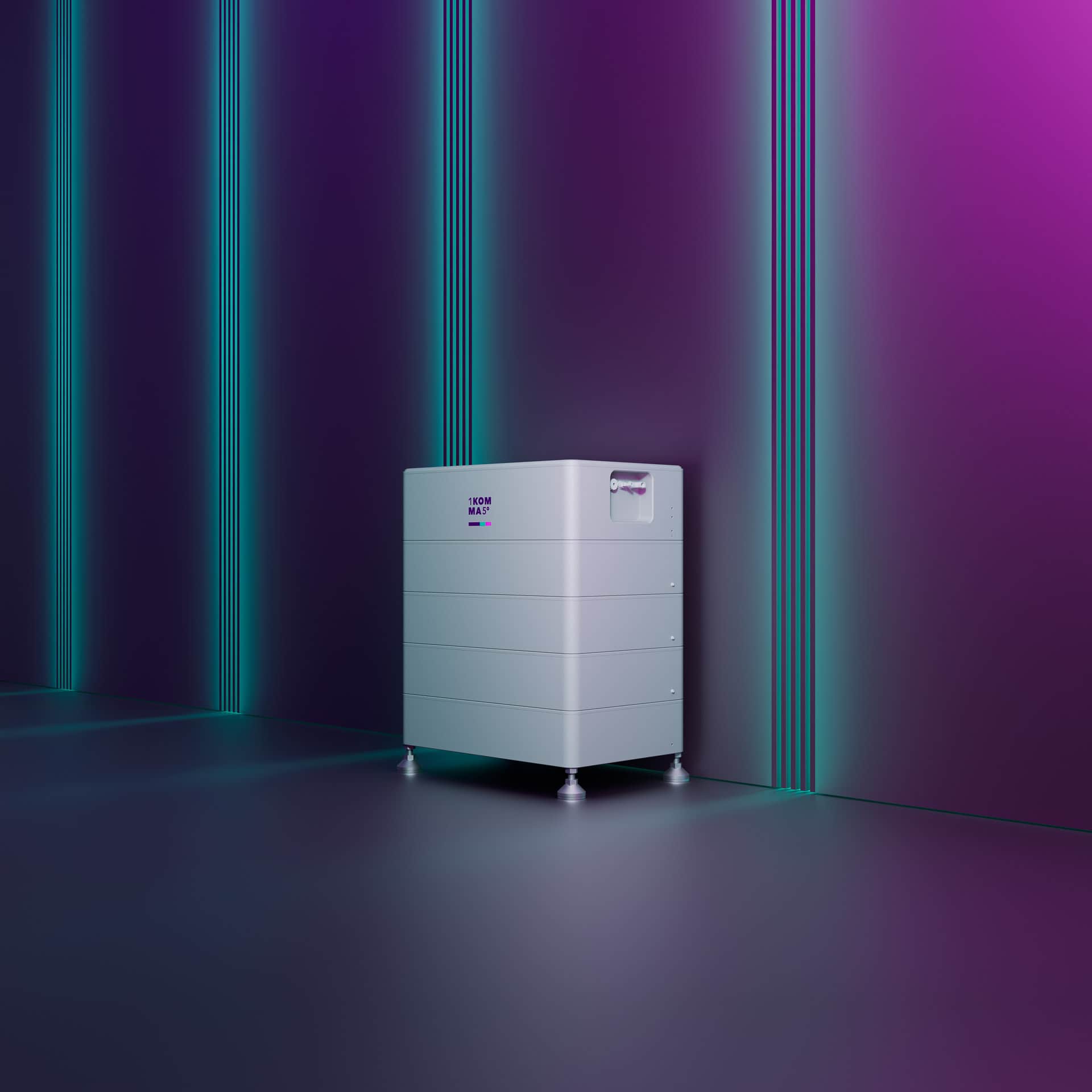
At 1KOMMA5° Australia, our modular stackable battery system and the Tesla Powerwall 3 feature hybrid inverters and can be AC coupled to any existing solar system.

How each system connects to existing solar and inverters

In a DC-coupled system, the DC electricity produced by the solar panels can be stored directly in the battery without any conversion. When DC electricity from the battery or generated by the solar panels is needed in the home, it's automatically converted to AC electricity by the hybrid inverter.

In an AC-coupled system, the existing solar inverter already converts the DC electricity produced by the solar panels to AC electricity for the home. This means that to store it in a battery, an additional hybrid inverter is needed to convert it back to DC again.

Battery

The pros and cons of AC coupling

  • Pros: For retrofits, AC coupling offers terrific flexibility, as the new battery system can be paired with virtually any existing solar inverter.

  • Cons: AC-coupled systems require a second inverter, which means additional wiring and more power conversions. Each conversion from DC to AC and back produces a small energy loss, typically a few percent in real-world systems, which slightly reduces overall efficiency.

DC Couple

The pros and cons of DC coupling

  • Pros: For new solar panel + battery installations, DC coupling offers the most streamlined and efficient system design. It requires a single hybrid inverter, which manages all electrical conversions, minimising energy losses from extra DC to AC conversions. 

  • Cons: If you want to DC couple a new battery to an existing solar system, you’ll need to have the entire system rewired and your existing solar inverter will become obsolete.

Summary: The Pros and Cons

AC-coupled batteryDC-coupled battery
More complex system wiring due to needing two invertersSimpler system wiring due to needing only one hybrid inverter
Higher overall costs due to more hardware and electrical componentsLower upfront costs due to fewer components and simple wiring
More flexibility as the new AC hybrid inverter can be paired with almost any existing solar systemLess flexibility as the hybrid inverter and battery system often require to be the same brand
Easy to retrofit to an existing solar systemHarder to retrofit as it typically requires a new hybrid inverter
Lower overall efficiency as power must be converted from DC to AC (and back again) more oftenHigher overall efficiency as fewer energy conversions are needed

Other key considerations

1K5 Battery Installation

Installation and Cost

Naturally, cost and installation complexity are key factors when planning any solar and battery system.

In these areas, AC- and DC-coupled battery systems have unique considerations you should bear in mind:

DC-coupled systems generally have lower up-front costs, as they have fewer components and simpler wiring. These benefits also equate to a neater, more streamlined installation, which can be pivotal factors if aesthetics are important to you.

AC-coupled systems are typically more expensive due to having two inverters and twice the wiring and electrical components. This presents a trade-off: while the installation won’t look as neat, AC-coupled battery storage is also the most practical way to retrofit an existing solar system.

Blackout

Backup during blackouts

Some AC-coupled battery setups may not charge from solar during a power outage because the existing solar inverter requires a live grid connection to operate. DC-coupled systems with a hybrid inverter can often continue charging directly from the solar panels during a blackout, providing more reliable backup power for your home.

Bernard Gold Coast Testimonial

Export limits and solar oversizing

If your solar system produces more energy than your home consumes, DC-coupled systems can sometimes store excess solar energy in the battery more efficiently, reducing wasted energy and limiting exports to the grid. AC-coupled systems still work in these scenarios, but each extra energy conversion from DC to AC and back can slightly reduce overall efficiency.

When does each option make the most sense?

Deciding whether you should choose AC or DC coupling ultimately boils down to your specific situation, goals, and budget.

For brand-new installations that combine solar panels with battery storage, DC coupling is generally the smartest choice. This is because a single hybrid inverter can manage the entire system, simplifying its design, wiring, and monitoring. You’ll also gain some efficiency, as there are fewer electrical conversions from DC to AC and vice versa.

On the other hand, if you already have a solar system and want to add a battery, AC coupling usually makes the most sense. This is because AC-coupled batteries can work with any existing inverter and don't require your system to be rewired.

If you’re considering a new solar and battery system or want to upgrade your existing solar array with energy storage, the team at 1KOMMA5° is here to help. For some personal and honest advice, call us on 1300 976 040 or request an obligation-free online quote.

More Helpful Articles:

family

1KOMMA5° Blog

Need more information?

Head over to the 1KOMMA5° blog for more helpful tips and other important guides on everything solar, from inverters, panels and batteries to how to make the most of your investment for years to come.