The Australian Homeowner’s Guide: Solar Panel Step-by-Step Installation Process
Australia is embracing solar power like never before, with over 3.4 million rooftop systems already installed—that’s one in every four homes! But even as solar becomes more popular, the idea of installing solar panels can still feel overwhelming. It’s more than just placing panels on your roof. There are many factors to consider. This comprehensive guide explains each step of the solar panel installation process, helping you make informed choices with confidence.
Other Helpful Articles:
Pre-Installation Considerations
Before diving into the installation process, it’s essential to make sure your home is ready for solar. With so many factors involved, this phase will help you ensure that you’re setting yourself up for success with the right system and an experienced installer.
Assessing Roof Suitability
Roof Orientation and Tilt
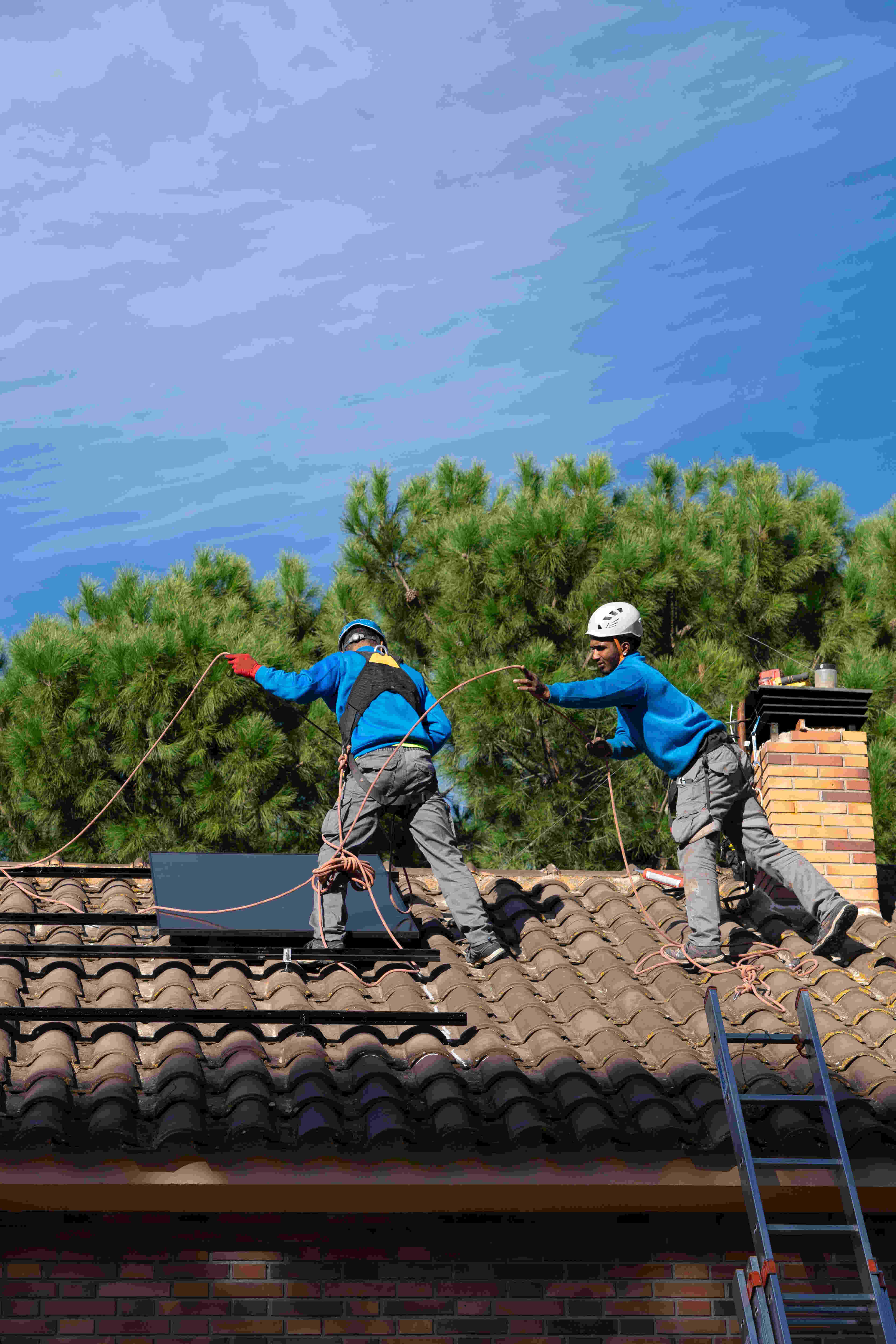
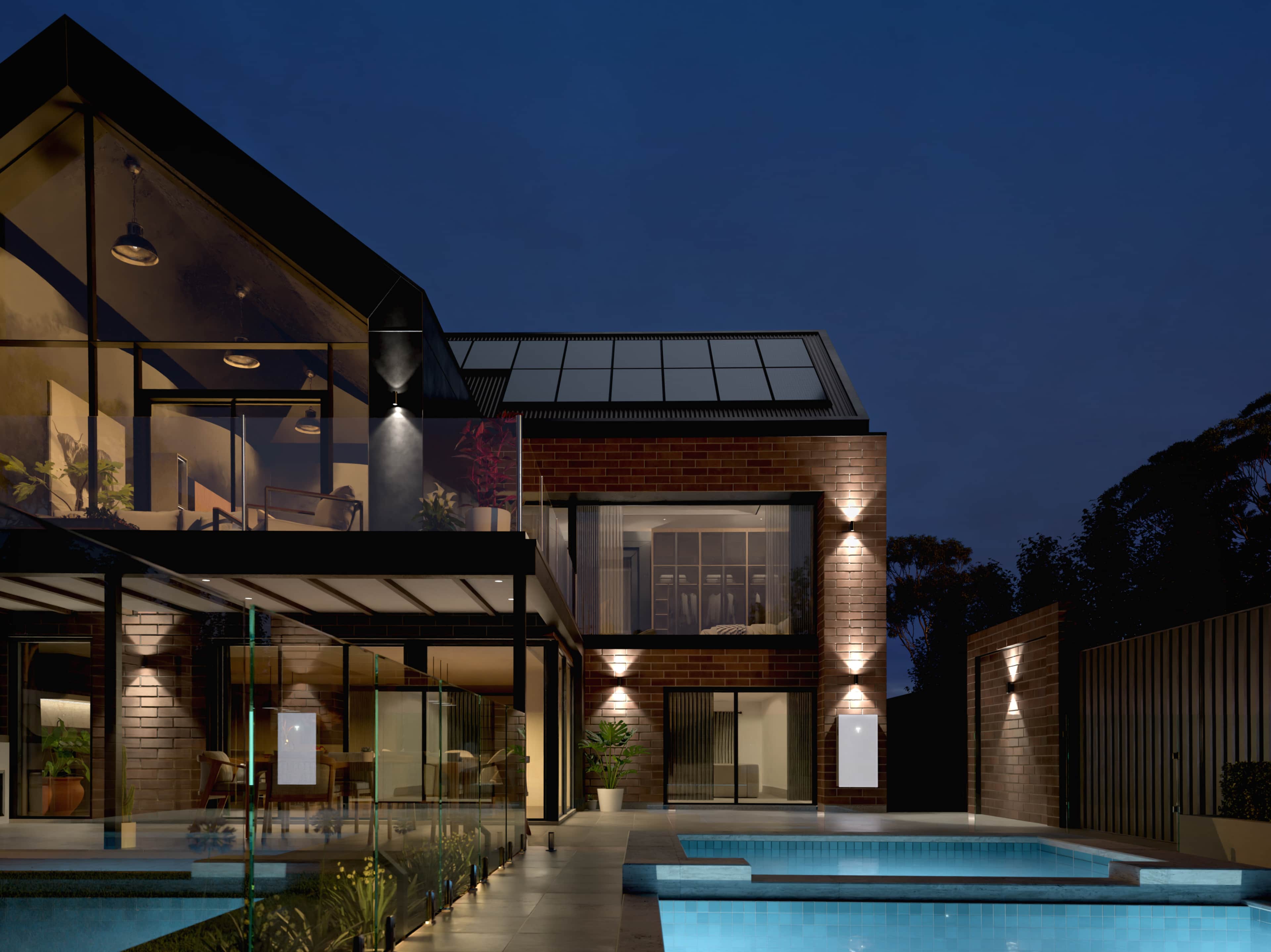
North-facing roofs capture maximum sunlight and generate the most energy. Other orientations can work too, with slightly reduced efficiency. The tilt angle (typically between 20° and 30°) further impacts energy generation.
Roof Material & Integrity
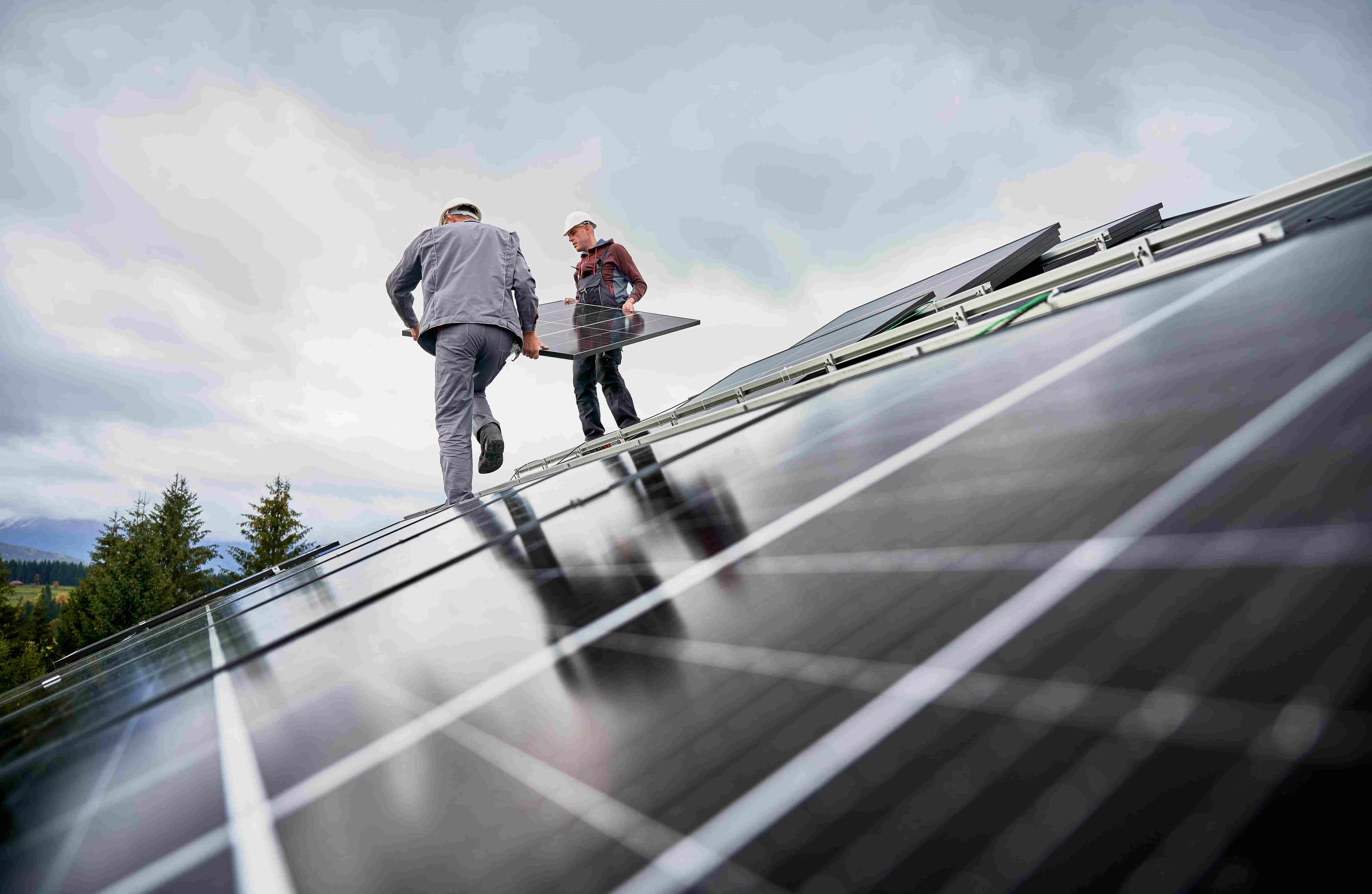
Ensure your roof can support the weight of the solar panels and mounting equipment. Tile and metal roofs are usually compatible, but a structural assessment is necessary for peace of mind.
Shading Analysis
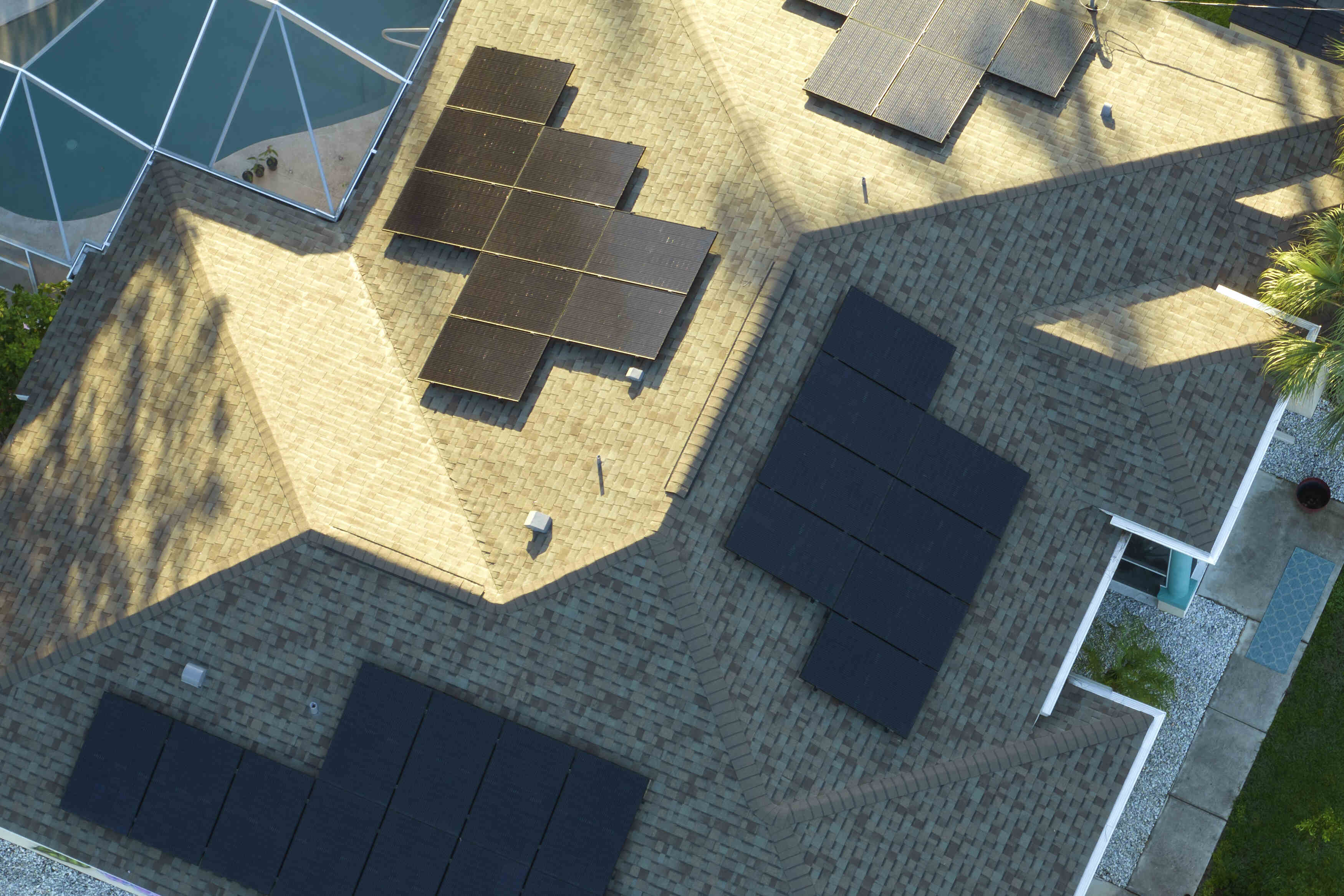
Shading from trees, nearby buildings, or even dust can significantly reduce the performance of your system. Conducting a shading analysis before installation ensures you address any potential issues that could affect efficiency.
System Size and Energy Needs

Regulatory and Approval Process
Navigating local regulations is essential to ensure your solar installation is safe, compliant, and eligible for incentives. Fortunately, your chosen installer can handle most of these requirements for you.
Local Council and Network Approvals
Many councils and electricity networks have specific requirements for solar panel installations, such as system size limits, grid connection rules, and zoning restrictions. A reputable installer will manage these approvals on your behalf, ensuring compliance and a smooth installation process.
Clean Energy Council (CEC) Guidelines
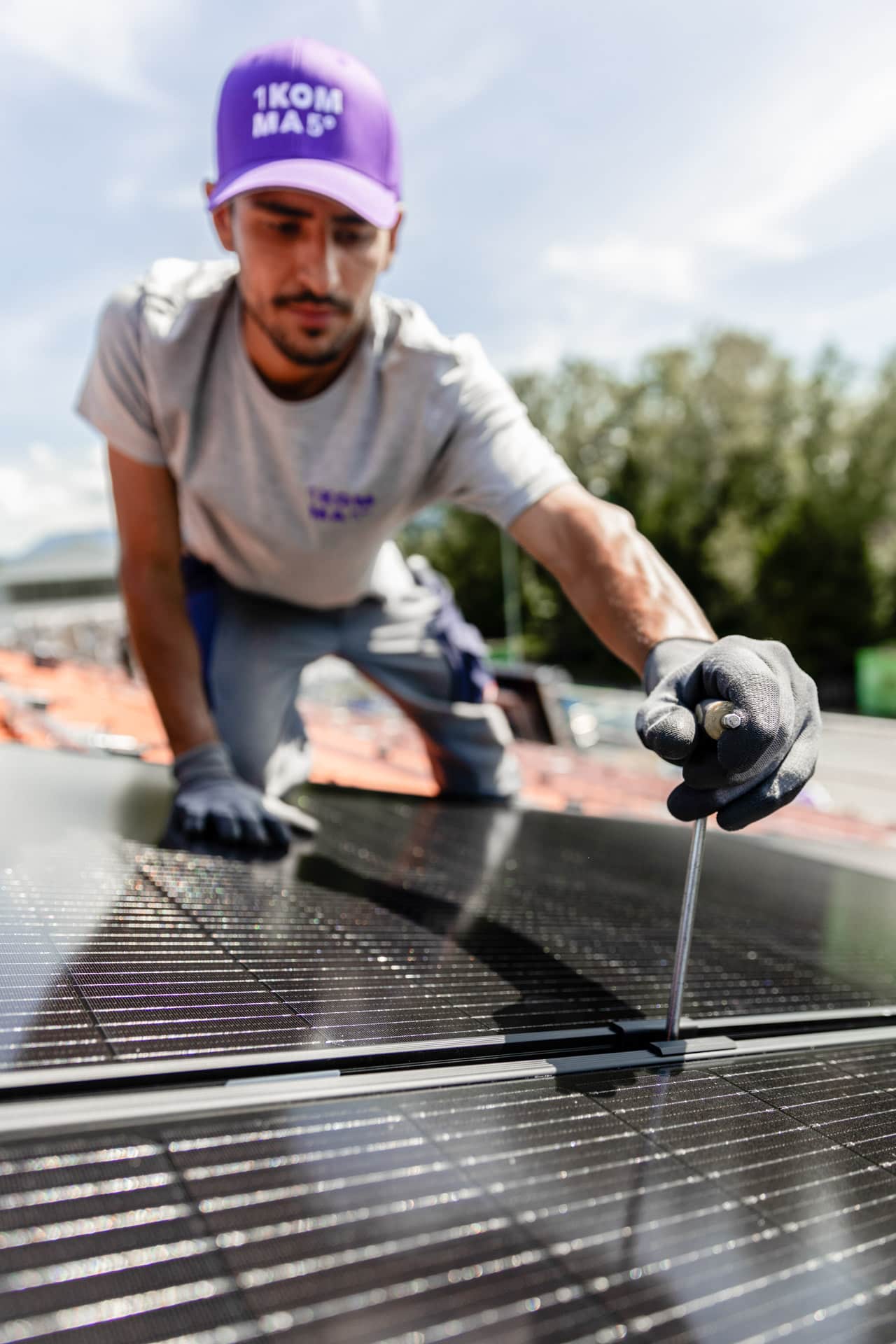
To guarantee a high-quality and compliant installation, choose a Clean Energy Council (CEC) accredited installer. They will follow industry best practices and ensure your system meets the standards required for government rebates and incentives.
The Solar Panel Installation Process


Post-Installation Steps
Inspection and Compliance Check
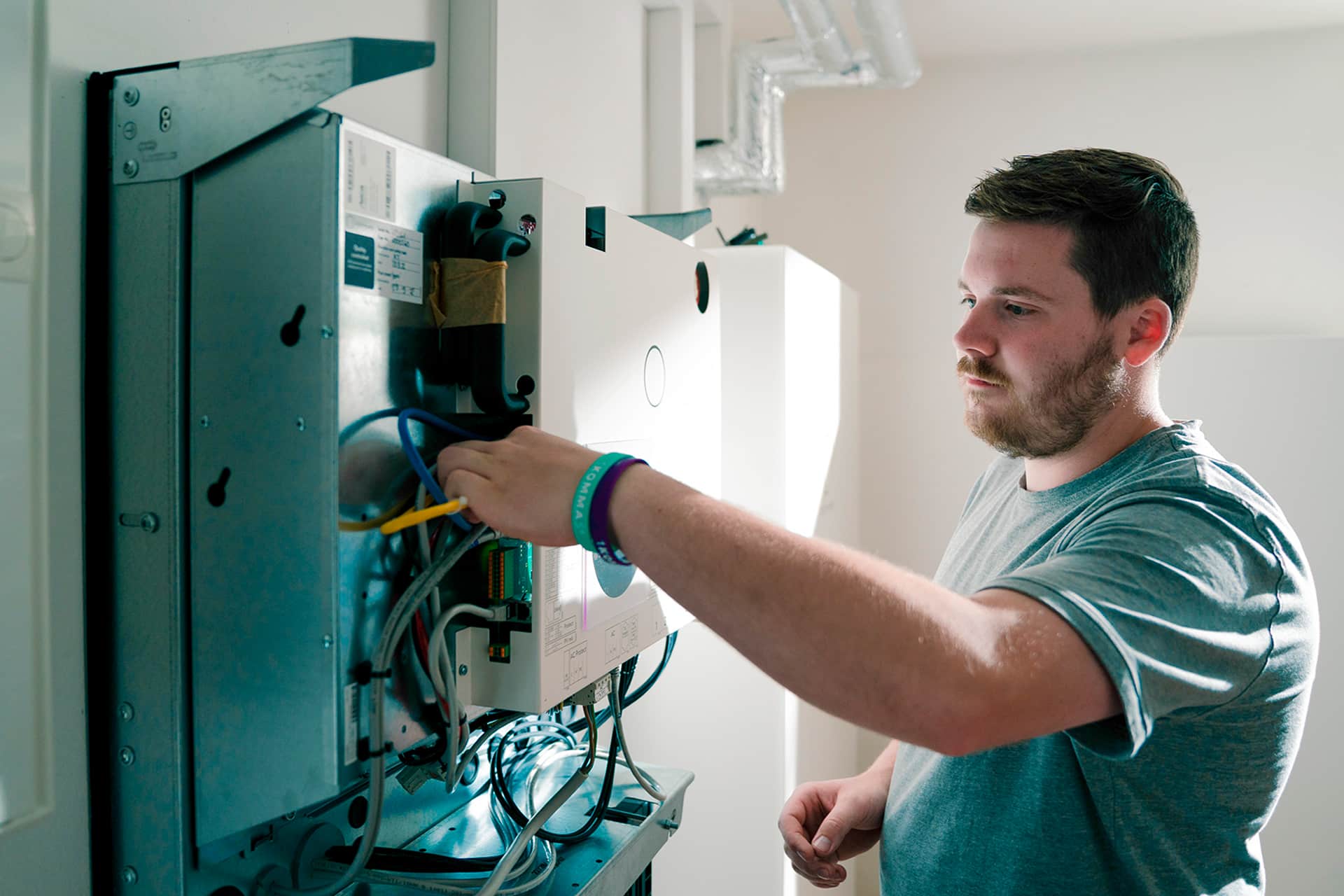
An accredited professional will inspect your system to ensure it meets Australian safety standards and regulations.
Grid Connection Activation
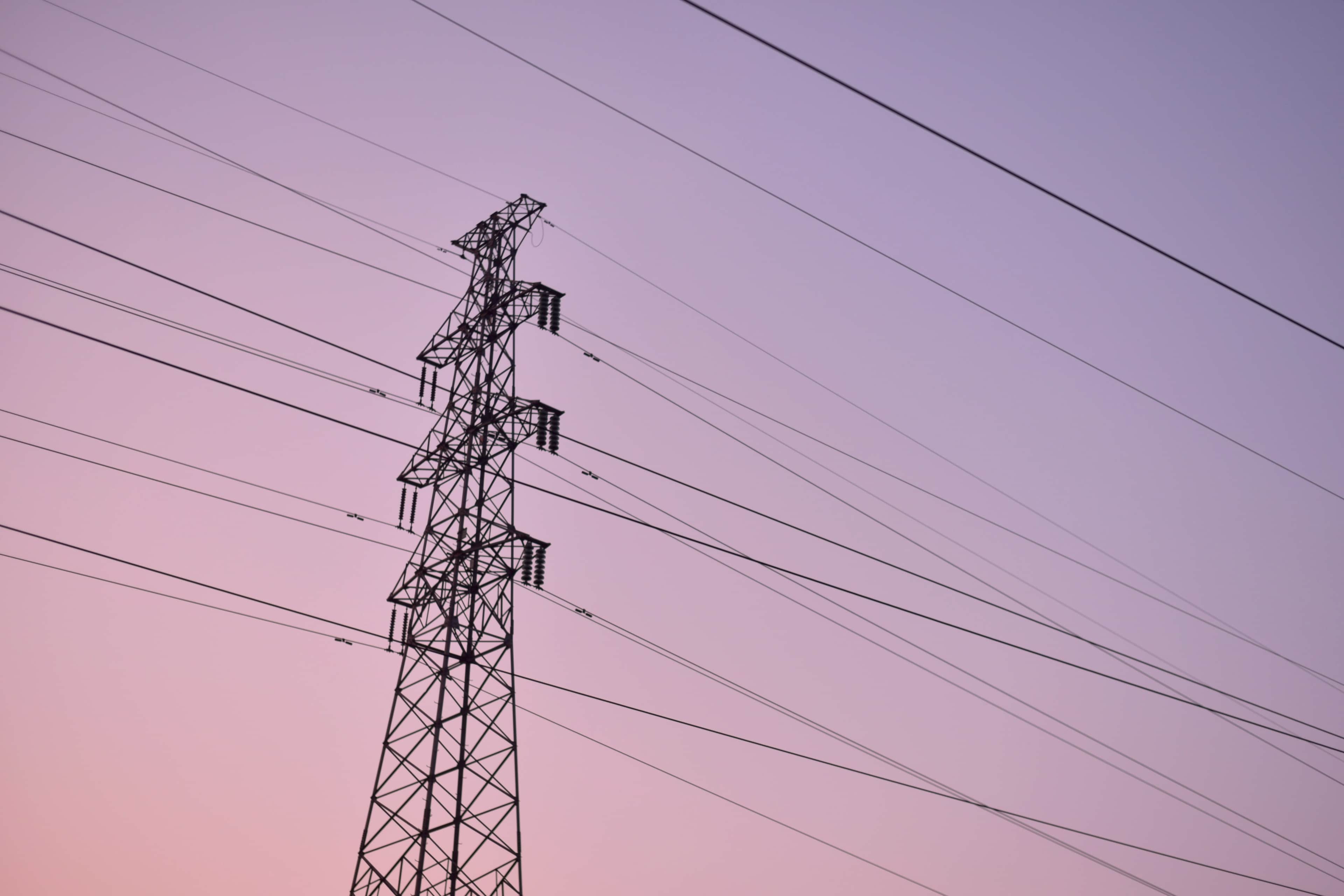
Your energy retailer will finalize the grid connection and activate the system for daily use.
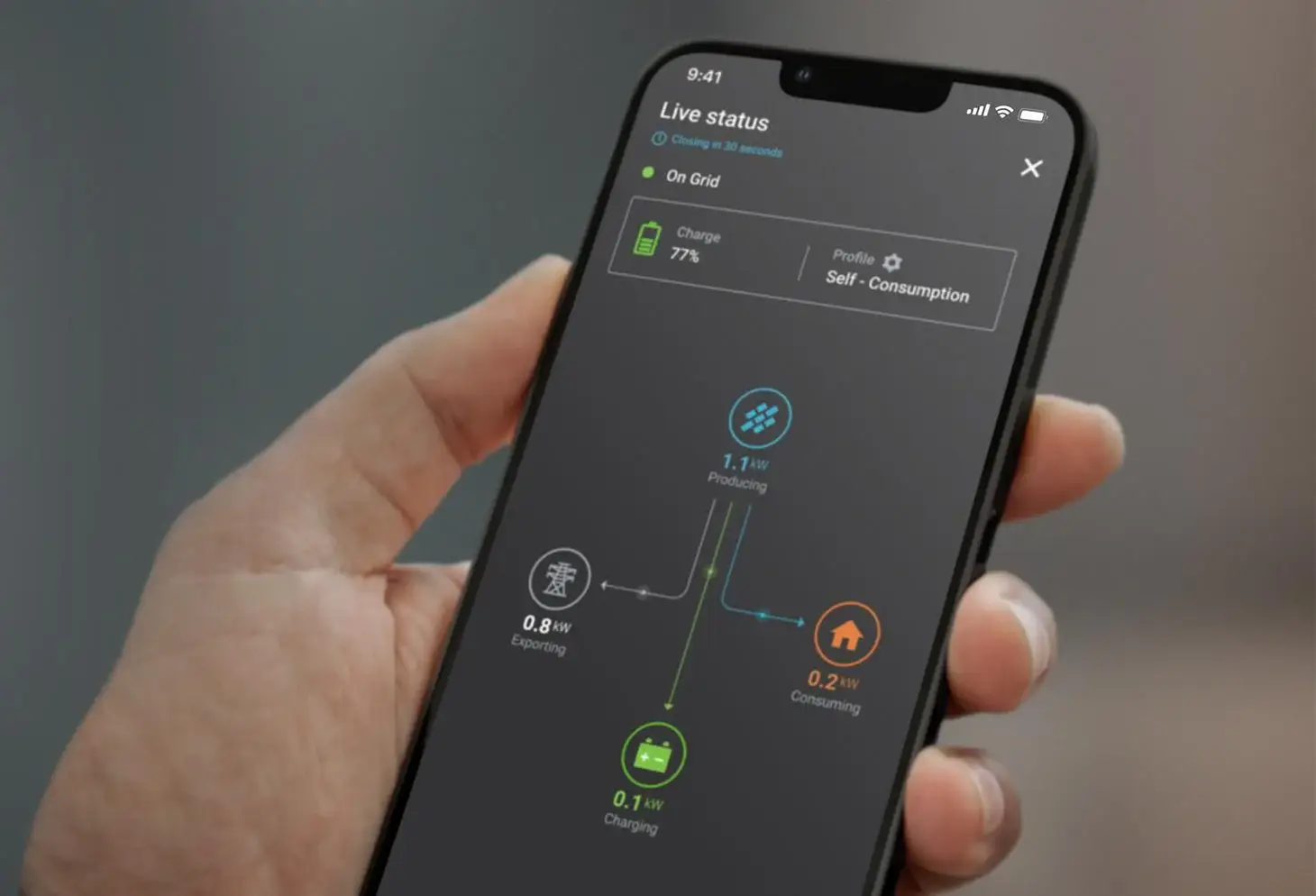
Solar Monitoring
Track your system’s energy production and ensure it’s performing at its best. This helps identify any issues early on.
Many homeowners are putting off solar panel installation simply because the process seems overwhelming. However, by avoiding this step, they’re missing out on significant savings and the long-term benefits of clean energy. While the thought of navigating roof assessments, system design, and regulatory approvals can be daunting, leaving solar on the sidelines means continuing to pay high electricity bills unnecessarily.
The good news is that working with an experienced installer can simplify the process, ensuring that everything from permits to app setup is handled seamlessly. With the right support, your solar system can be up and running in no time, providing you with energy independence and substantial financial savings. Don’t let the complexities of solar hold you back—now is the perfect time to start enjoying the benefits of clean, cost-efficient energy.
Need Help Deciding on the Right Solar Solution?
Your journey toward sustainable living can be daunting, but you don’t have to navigate it alone. Our solar experts are ready to answer your questions and simplify the process of selecting the best solar solution for your home. Contact 1KOMMA5° today for a personalised quote.

1KOMMA5° Blog
Need more information?
Head over to the 1KOMMA5° blog for more helpful tips and other important guides on everything solar, from inverters, panels and batteries to how to make the most of your investment for years to come.
Frequently Asked Questions about Installing Solar Power
Are there any rebates available?
There are great government rebates/incentives still in place for eligible households. Basically, the larger the panel array, the more STCs your solar system generates as it is based on the expected output of the system over time.
When you buy a solar system, the purchase price is normally reduced by the value of the STCs created by your system. You simply fill out a form on the day of installation to confirm that the system has been installed, and that’s it. There is no additional paperwork that you need to do.
Small-scale Technology Certificates (STCs)
Small-scale Technology Certificates (STC’s) – previously known as Renewable Energy Certificates or RECS – are created when a Renewable Energy System such as a Solar PV system is installed.
The number of STC’s depends on the predicted amount of energy generated and hence the larger the system the greater the rebate. In essence, one STC is created for every megawatt-hour of production capacity of the system.
This is further multiplied by the number of years the system is likely to generate energy (for home solar systems, this is usually 15 years, although the life of the solar panels themselves is considerably more than that).
This incentive program is being phased out until 2030, so each year the number of certificates your system is eligible for reduces.
STC Price
The system for trading and pricing STCs for small systems is managed by the Small-scale Renewable Energy Scheme (SRES).
STCs are bought by Liable Parties (usually electricity retailers) and must be surrendered at the end of each quarter. As the number of STCs that are required to be surrendered is a fixed amount each year, but the number of STCs created is variable, the price paid for STCs also varies and is determined by supply and demand.
The Federal Government legislated in 2010 a fixed price for STCs by implementing a Clearing House system where STCs can be bought and sold for $40. However, there is no requirement for Liable Parties to purchase from the Clearing House, so they are likely to only do so if there is a shortage of STCs or the market price exceeds $40. There is currently a surplus of STCs in the market which means the market price of STC’s below $40
How does the feed-in tariff work?
The Feed In Tariff is only something you need to worry about if you don’t have battery storage.
The price your chosen energy retailer pays for any excess electricity generated from your solar panels is recorded as a credit on your power bill.
In NSW, solar power is fed into your home as it is generated and your household will use it first before you draw power from the grid.
This means that for every kWh of solar power used in the home you are directly saving money you’d spend on your power bill. This reduction in your power bill is the main financial benefit of solar power.
Everything else will be bought up at an agreed rate by your electricity retailer.
At the moment, most feed-in tariffs are between 5 and 10 cents per kWh, with many being about 7 cents. They bounce up and down a lot, for example in previous years they have been up over 20 cents per kWh. Typically, they are always at least 5 cents per kWh.
What happens once I sign the paperwork?
Once you sign up for a 1KOMMA5° Installation, we immediately submit your grid application to the relevant energy distributor. For systems up to 5kWs, this is a formality. For larger systems it can take a few days or more. Once we receive approval, your installation will be managed by our installation coordinator, who will welcome you to 1KOMMA5° and book an installation date for you. This is generally booked within around two weeks and installation dates are available Monday to Friday, weather permitting.
We endeavour to have your system installed within 2-4 weeks unless you request us to hold for whatever reason. Due to our strict safety policy, we do not install solar systems when it rains. In the event of inclement weather, we will rebook your installation as soon as possible. We always work with your requests as we strongly recommend that someone be home on the day of installation.
Do you offer finance?
Green Loans can be an affordable way to pay for your solar power system and is only available for approved products. As a Clean Energy Council Accredited installer, all our systems qualify.
Green Loans can be used to finance 1KOMMA5° systems from $1,000 to $30,000 over a 2-7 year term. Once you have received a referral from 1KOMMA5°, online approval usually occurs within 1-2 business days. Green Loans have a competitive fixed interest rate that is as low as 7.99% p.a.* | Comparison rate 9.21% p.a.^ Establishment fee of $299 added to the loan amount. $2.70 per week account keeping fee included in repayments.
To be eligible to apply you must:
Be over 18 years old and an Australian resident or citizen
Own or be purchasing a home
Be employed, self-employed, a self-funded retiree; or is receiving the Government Age Pension
Have an Australian driver’s license or Passport
Provide two most recent payslips or 90 days of bank statements
There are a number of good, competitive Green Loan providers – ask us about the options available.
More Helpful Articles:
Solar Panel Installation – What Else to Consider
1KOMMA5° Blog
Need more information?
Head over to the 1KOMMA5° blog for more helpful tips and other important guides on everything solar, from inverters, panels and batteries to how to make the most of your investment for years to come.