Blackout Protection and Backup Power - What to Expect from a Home Battery System
A home battery system enables you to use excess solar energy at night, but it can also supply backup power during a blackout. These designs range from basic setups that keep lights and fridges running, to complete solutions that can power your entire home for days. Discover the key factors you should consider when investing in your clean energy future.
Key Takeaways:
Blackout protection keeps your home powered during outages — Unlike standard solar systems, a hybrid battery system can 'island' from the grid, letting your solar panels and battery continue running your home.
Backup systems range from partial to whole-home coverage — You can choose to power just the essentials (lights, fridge, internet) or your entire home for multiple days, depending on your battery size and budget.
The right hardware matters — Reliable blackout protection requires a hybrid inverter, backup switchgear, and a quality battery brand installed by accredited professionals.
Size your system to your needs — Factors like local blackout frequency, household energy use, and whether you have medical equipment should all inform the capacity and design of your backup system.
What is blackout protection and why do you need it?
With grid instability, blackouts, and ‘once-in-a-century’ weather events becoming far more common, home energy independence has never been more important.
Many Aussies have already taken the first step, with around 40% of houses now boasting a rooftop solar PV system. But one of their major drawbacks is that they need the grid to operate, and in the event of a blackout, they’re required to shut down until mains power returns.
This is where energy storage changes the game. A home battery system not only unlocks access to 24/7 solar energy, but it can also provide backup electricity during a power cut. Let’s take a look at how the right system can ensure you're never left in the dark
How backup or ‘islanding’ works in hybrid systems
Home battery systems that provide backup power are called ‘hybrid’ systems, as they can work in both on-grid and off-grid modes. For a battery to keep your home running during an outage, it must completely disconnect from the grid. This is known as ‘islanding’, as it isolates your home to create a private electricity island.
Islanding mode has multiple advantages. Along with providing backup electricity from your battery, it allows your solar panels to continue powering your home and recharging your battery. This ability can ensure you don’t run out of electricity during an extended blackout, even if it lasts for several days.
Hardware requirements for blackout protection
Achieving safe and reliable backup power all starts with having the right equipment and design. An expert solar and battery designer can tailor a backup system to your specific needs, or provide a couple of options with unique features and costs.
The typical hardware requirements of a solar battery with blackout protection include:
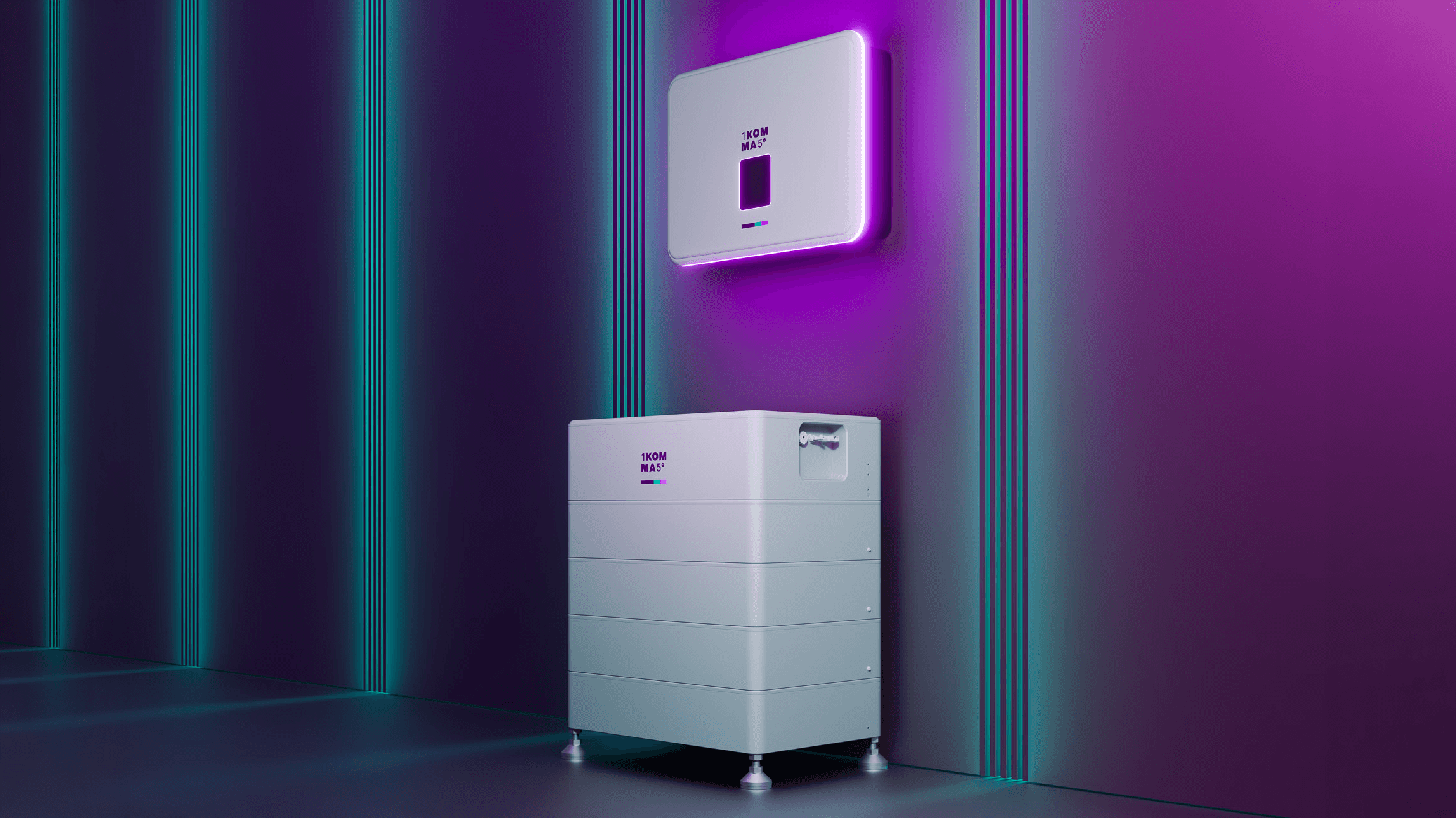
The battery system, mounted either on the floor or wall.
A hybrid inverter, which can operate in both on-grid and off-grid mode. Single-phase inverters are common in most Australian homes and supply power through one electrical circuit. Three-phase inverters are used for larger homes or properties with heavy electrical loads, delivering electricity across three circuits for more consistent power.
Backup switchgear, installed in your meter box or as a wall-mounted unit (depending on the battery brand).
Electrical wiring that links the battery system with your home's electrical supply.
A wireless monitoring system that shows information from your battery, such as its available capacity and charging speed.
If you’re installing a complete solar and battery system, it will include a hybrid inverter as standard. Or if you already have a grid-connected solar system and want to add a blackout protection battery, you’ll need to add a hybrid inverter to your existing solar inverter.
Note: Not all hybrid systems allow your solar panels to charge your battery during a blackout. This depends on the inverter model and system design, so it’s important to confirm this with your installer.
At 1KOMMA5° Australia, our modular stackable battery system and the Tesla Powerwall 3 feature hybrid inverters and built-in blackout protection. They offer seamless backup during a power outage, minimising any disruptions to your home.
The difference between partial and whole-home backup
In the same way that solar batteries come in various shapes and sizes, they also have different capabilities when it comes to providing backup power:
Partial-home backup
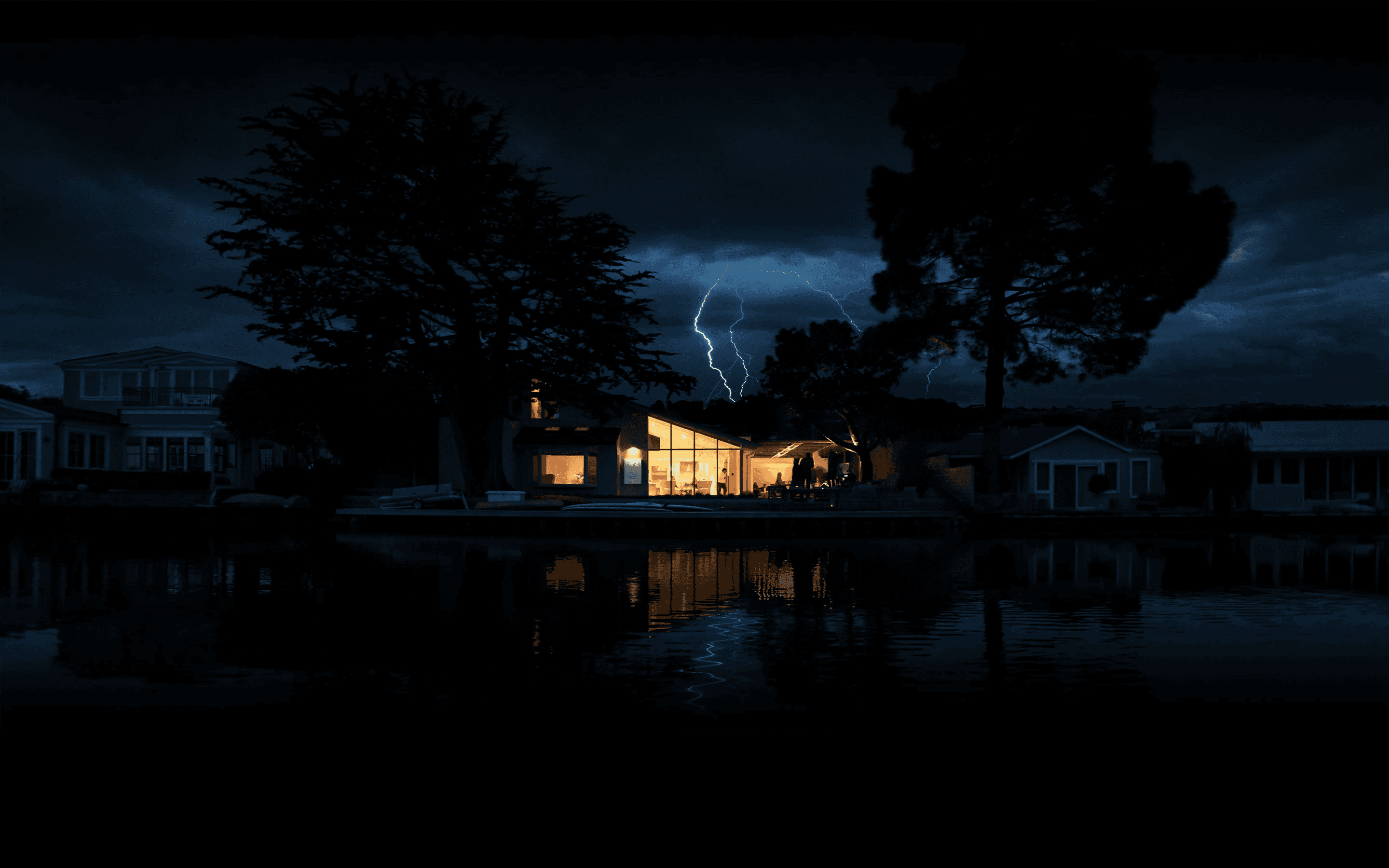
This allows you to choose ‘essential’ loads and appliances that are powered by the battery backup. For example, you can choose to keep your lights, fridges, and internet running, while larger items like air conditioners, electric ovens, and pool pumps won’t be available.
Whole-home backup
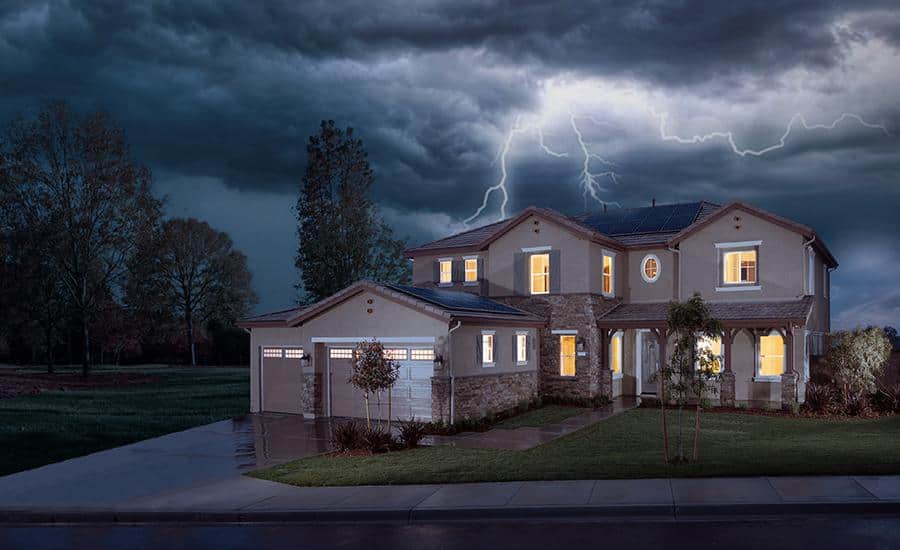
In this mode, your system can power your entire home during a power outage, allowing you to use all appliances as normal. This setup generally requires a powerful battery and hybrid inverter combination sized to your home’s electrical needs.
Whether you choose partial or complete home backup will often come down to your requirements and budget. Systems that can provide complete backup are typically more complex and expensive, but are ideal during prolonged blackouts. On the other hand, partial backup systems can still keep all your essentials running, although you’ll be more limited in what you can do.
With 1KOMMA5°’s upcoming Heartbeat AI Energy Manager, you can pre-charge your battery before a scheduled power outage or incoming storm. This can ensure your battery is at 100% capacity when the grid shuts down and provides maximum benefit until mains power returns.
Typical appliances supported during an outage
With smart appliances becoming more common and electrification on the rise, a battery backup system can minimise disruptions to your daily life. For most people, the main priority is to keep essential appliances and systems running, which typically include:
Lights
Fridges and freezers
Designated power points (for charging phones and other devices)
Internet modems (to also maintain system monitoring)
Any special medical devices or computer systems
If you’re looking for complete energy freedom, you may prefer a larger battery system that can power your entire home for days. This means that during an outage, you can run all of your appliances as normal - provided there’s enough electricity in your battery or being generated by your solar panels.
Naturally, it’s wise to be economical with your power use when in backup mode to avoid draining your battery before mains power returns.
Battery size and runtime considerations
There are several factors that can influence the ideal size, design, and capabilities of your battery backup system. To narrow down the options, it’s useful to ask yourself these questions:
Does your suburb or town experience frequent or extended power cuts?
Do you live in an area that’s prone to bushfires, storms, or other events that could leave you without power?
Do you have any medical devices or special equipment that needs power all the time?
The amount of electricity available during a blackout depends on three main factors: the capacity of your battery, its state of charge, and the size of your inverter.
Practical Examples

A 10 kWh battery at full charge could power essential appliances like your fridge, lights, and a few other devices for roughly 10–12 hours, depending on usage.
A 20 kWh battery could extend this to a full day, or more if power use is limited.
A 5 kWh battery might only last a few hours, enough to cover essentials but not for prolonged outages.
Your battery may have 30 kWh of usable capacity, but only 20 kWh of stored electricity when the grid goes down. If the outage occurs at night and you can't recharge your battery with solar, you’ll only have access to the electricity you’ve already stored.
The size of your hybrid inverter also plays a role. For example, if your inverter has a 5 kW output rating, it can provide up to 5,000 watts of electricity in backup mode. There are also larger options for more flexibility, such as 3-phase models that can supply up to 15 kW (15,000 watts) of power across all three phases.
Tip: Even with a battery, it’s wise to manage electricity use during a blackout to avoid running out of power before mains electricity returns.
Safety and regulatory standards for backup operation
While a home solar battery has a minimal design and requires no maintenance, it's still a high-voltage electrical storage system. That’s why it’s critical to choose a reputable battery brand and have it designed and installed by accredited experts.
The location of your battery also matters. It’s ideal to have it installed in a garage or undercover area, which protects it from the elements and helps to maintain consistent battery temperatures. These steps help to ensure your system operates reliably, protects your home from power surges and fire risks, and meets all Australian electrical standards.
Checklist: How to ensure your battery is blackout ready
Purchasing a solar battery with blackout protection is a significant investment, so it’s crucial to get it right. For reliable, hassle-free backup power, here's a handy checklist of the key steps::
Think about how common power cuts are in your area, or if you’re prone to wild weather and storms.
Decide whether you want a backup system to power just your essential loads, or your entire home.
Talk with an expert system designer to ensure the solar battery meets your energy needs - now and in the future.
Select a reputable battery brand with blackout protection and a hybrid inverter.
Insist on a professional installation by accredited electricians.
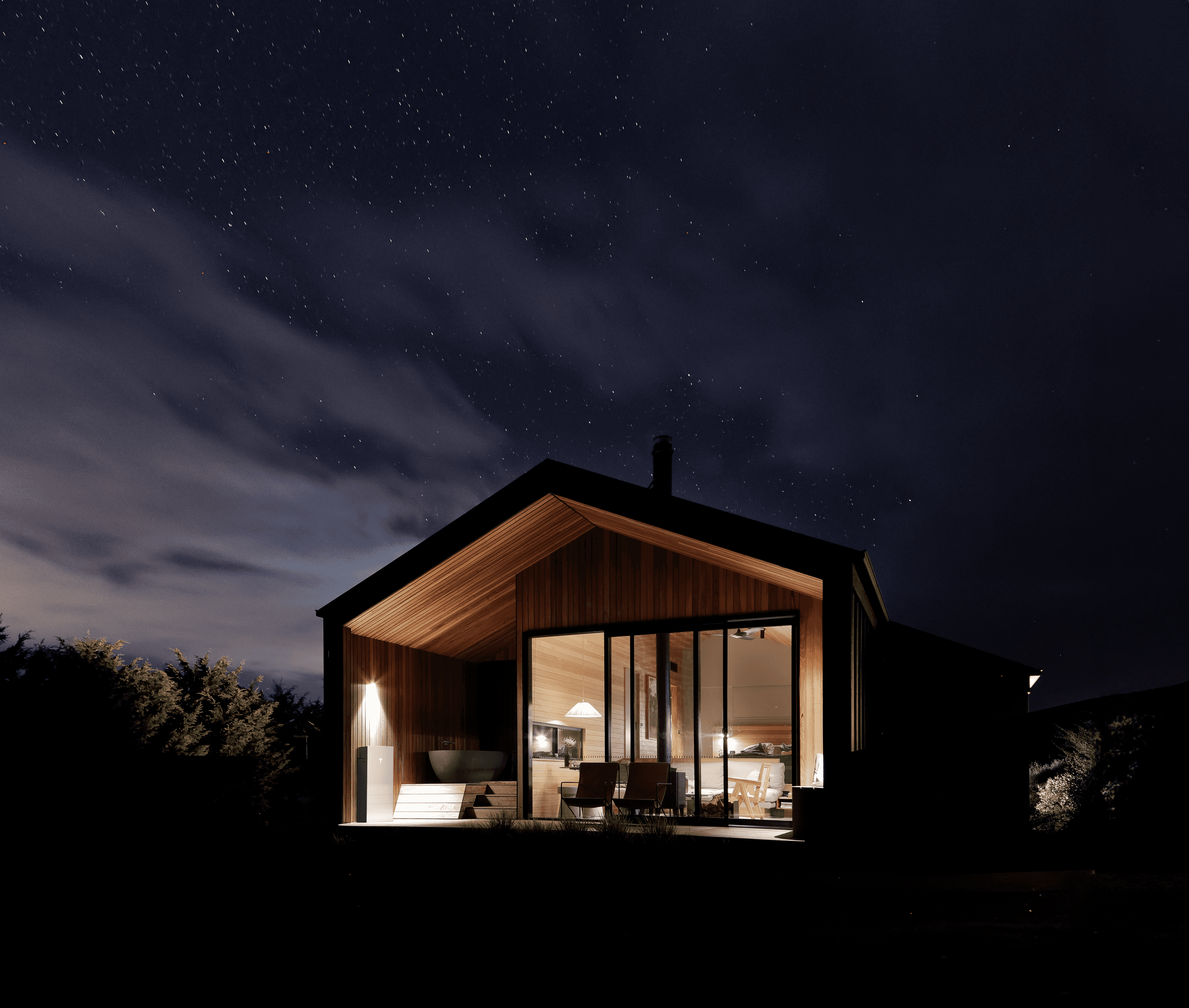
Once your system is up and running, it automatically switches to backup mode whenever the grid goes down. In many cases, you may not even notice there’s a power cut!
Here at 1KOMMA5° Australia, all of our home battery systems come backup-power ready. These include our modular stackable battery system and the popular Tesla Powerwall 3. If you need some expert advice on the size and design of your battery backup system, request a free online quote or call us on 1300 976 040.
More Helpful Articles:

1KOMMA5° Blog
Need more information?
Head over to the 1KOMMA5° blog for more helpful tips and other important guides on everything solar, from inverters, panels and batteries to how to make the most of your investment for years to come.