
The Complete Guide to Battery Storage Systems in Australia
Battery storage systems are rapidly becoming a core part of modern energy systems for Australian homes and businesses with solar. As electricity prices rise, feed-in tariffs fall, and grid reliability becomes less predictable, batteries allow you to store, control, and optimise your energy rather than exporting it cheaply or relying on the grid during high-cost periods.
This guide provides a practical, end-to-end overview of battery storage systems in Australia. It explains how batteries work, how they integrate with solar panels and inverters, the role of smart energy management, and how intelligent charging and grid interaction can reduce costs while improving energy security.
Other Helpful Articles:
What Is a Battery Storage System?
A battery storage system captures excess electricity, typically generated by solar panels, and stores it for later use. Instead of exporting unused solar energy to the grid at low feed-in tariffs, stored energy can be used when it delivers the most value: at night, during peak pricing periods, or during grid outages.
A typical solar battery system includes:
Solar panels
A solar inverter (or hybrid inverter)
A battery or modular battery system
Energy management software
Together, these components form a solar inverter and battery system designed to increase self-consumption, reduce grid dependence, and improve long-term energy resilience.
How Battery Storage Works: AC vs DC Explained
All batteries store electricity as direct current (DC). However, most homes and appliances run on alternating current (AC), so electricity must be converted before it can power lights, appliances, and devices. A solar inverter performs this conversion, turning DC from solar panels, or stored in batteries, into AC that your home can use.
This is why solar battery systems are designed as either DC-coupled or AC-coupled setups. Both approaches allow you to store surplus solar energy for later use, but they differ in energy flow, efficiency, and upgrade flexibility.
From Solar to Stored Energy
When sunlight hits your solar panels, they generate direct current (DC) electricity, the raw energy captured on your roof. Since most homes and appliances run on alternating current (AC), this DC electricity must pass through a solar inverter, which converts it into AC power for immediate household use.
Any surplus electricity that your home doesn’t use can then be stored in the battery. Because batteries store energy as DC, the system may need to convert electricity back to DC for storage, depending on whether the system is AC- or DC-coupled. Once stored, the battery automatically supplies power to your home when solar production drops, such as in the evening, on cloudy days, or during peak pricing periods.
If the battery is depleted or household demand exceeds its capacity, electricity is drawn from the grid, and in some setups, the battery may even charge from the grid when electricity prices are low. All of these processes are managed seamlessly by the system’s intelligent software, optimising energy flow for efficiency, cost savings, and battery longevity without requiring any manual input.
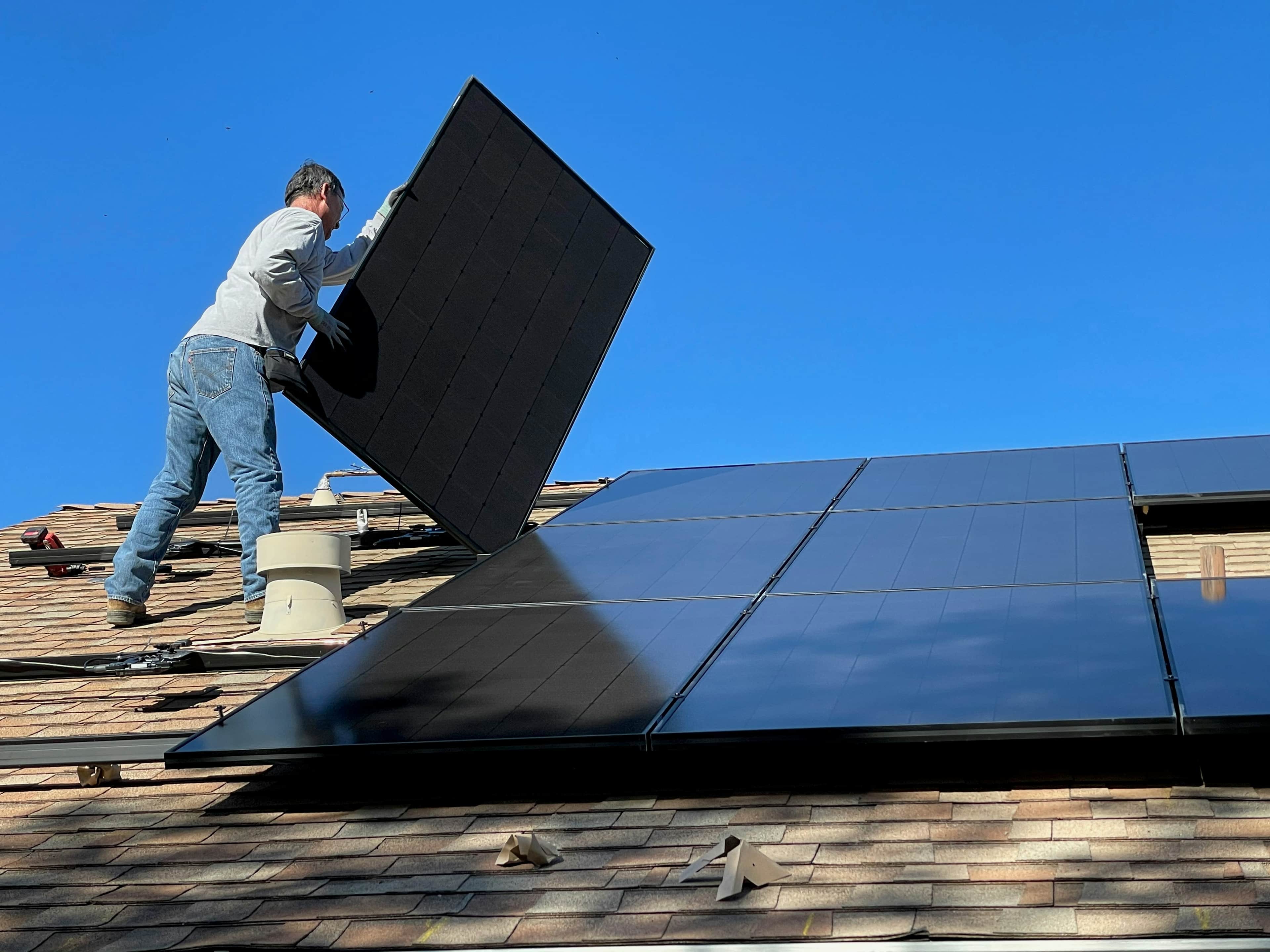
DC-Coupled Systems: Efficient and Streamlined
In a DC-coupled system:
Solar panels feed DC electricity directly into the battery.
A hybrid inverter manages both solar conversion and battery charging.
Energy conversions are minimised, improving efficiency.
Pros:
High efficiency due to fewer conversions
Streamlined design, ideal for new installations
Easier long-term expansion planning
Cons:
Typically more expensive upfront than retrofitting an AC battery
Less flexible for integrating with older solar systems
Best for:
New solar + battery installations
Homes focused on efficiency and performance
Future-proofing for system expansion
AC-Coupled Systems: Flexible Retrofits
In an AC-coupled system:
Solar panels first convert DC to AC via your existing solar inverter.
The battery inverter converts AC back to DC for storage.
When discharging, stored DC is converted to AC again for home use.
Pros:
Flexible for retrofitting batteries to existing solar systems
Compatible with a wider range of inverters
Easier to add storage without replacing the current solar setup
Cons:
More energy conversions reduce efficiency slightly
System complexity may increase installation cost
Best for:
Existing solar homes upgrading to battery storage
Users who value flexibility and compatibility over maximum efficiency
Types of Batteries
Battery technology is evolving rapidly, driven by falling costs, improving performance, and the growing need for flexible energy storage in Australia’s renewable-heavy grid. Understanding the differences between battery chemistries and system designs helps you choose a solution that meets your needs today while remaining adaptable in the future.
Lithium-Ion Batteries
Lithium-ion batteries are widely used in modern solar battery inverter systems, integrating seamlessly with hybrid or battery inverters, smart energy management software, backup power setups, and Virtual Power Plant (VPP) programs under dynamic electricity tariffs. Their stable chemistry and predictable performance make them well suited to intelligent charging, controlled cycling, and advanced grid interaction
High energy density
Lithium-ion batteries can store more energy in a smaller physical footprint, making them well suited to residential installations where space is limited.
Long cycle life
These batteries are designed to handle thousands of charge and discharge cycles, allowing daily use over many years with predictable performance.
Proven reliability
Lithium-ion technology has been deployed at scale globally across consumer electronics, EVs, and grid storage, giving installers and homeowners confidence in its long-term reliability.
Compact and scalable design
Their relatively small size allows for wall-mounted or stacked installations, often with modular expansion options.
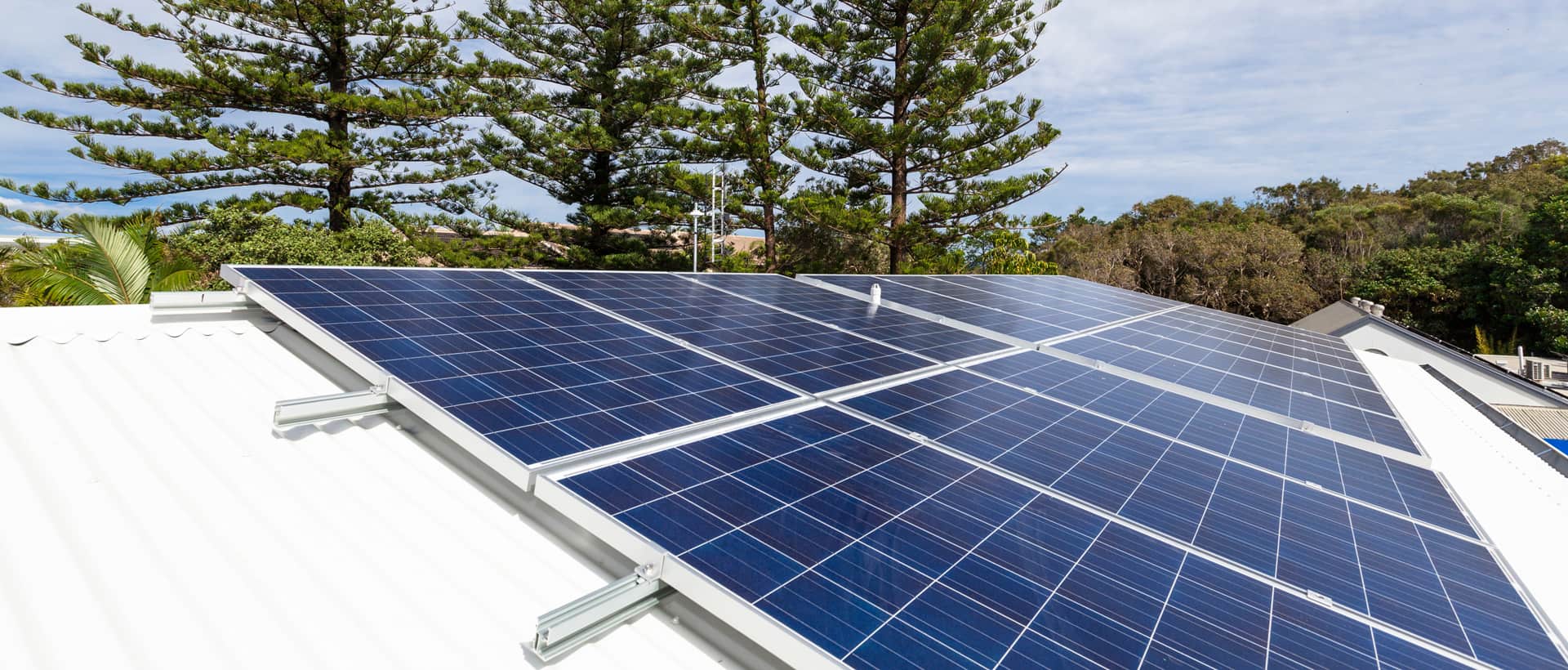
Sodium-Ion Batteries
Sodium-ion batteries are gaining attention as a next-generation alternative to lithium-ion, particularly in markets like Australia where climate resilience, supply chains, and sustainability matter. While they currently lag behind lithium-ion in energy density and commercial availability, sodium-ion technology shows promise for grid-scale storage, community batteries, cost-sensitive residential systems, and hot or remote environments. Over time, continued development could help lower costs and broaden access to energy storage across Australia.
Abundant raw materials
Sodium is far more abundant and geographically accessible than lithium, reducing reliance on constrained supply chains.
Lower environmental impact
Extraction and processing of sodium-based materials may result in a smaller environmental footprint compared to lithium mining.
Improved safety characteristics
Sodium-ion batteries are generally less prone to thermal runaway, which may simplify safety requirements and installation constraints in the future.
Better performance in extreme temperatures
Early data suggests sodium-ion batteries may perform more consistently in high heat and cold, an important factor for Australian conditions.
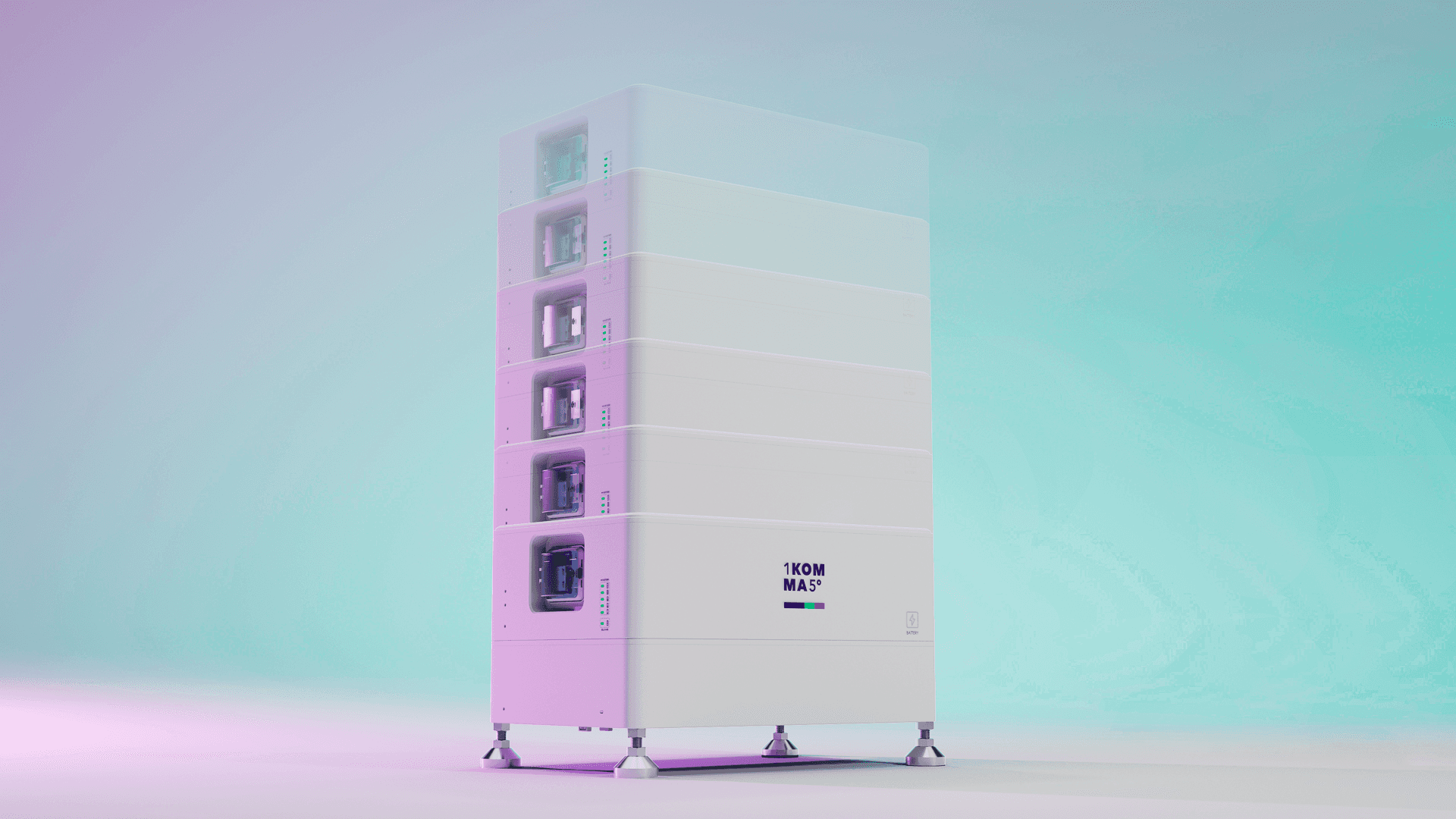
Modular Solar Batteries
Modular solar battery systems are designed to grow with your energy needs, allowing you to start small and expand capacity over time.
It typically consists of a base battery unit or control module, stackable or add-on battery modules, and a compatible inverter designed to support future expansion. As your household energy usage increases over time, additional battery modules can be added to the system without the need to replace the entire setup, allowing storage capacity to grow alongside your energy needs.
Lower upfront cost
You can install a smaller battery initially, reducing initial investment while still gaining storage benefits.
Flexible system design
Capacity can be matched to your actual energy usage rather than estimated future needs.
Easier future expansion
As electricity prices rise or usage patterns change, additional battery capacity can be added with minimal disruption.
Better alignment with lifestyle changes
Modular systems are ideal for households planning including electric vehicle adoption, growing families, increased work-from-home usage and electrification of heating and cooking.
Smart Energy Management: Where the Real Value Is Created
While a battery stores energy, a smart energy management decides when and how that energy is used. Modern battery systems rely on advanced software to continuously analyse household usage patterns, solar generation forecasts, electricity tariffs, and grid signals in real time.
By combining this data, the system automatically optimises when the battery charges and discharges, reducing energy costs, protecting against outages, and responding to changing market conditions without manual input. For Australian households facing rising electricity prices and increasing grid volatility, smart energy management is what transforms a battery from passive storage into a truly future-ready energy asset.
Maximising Self-Consumption
Stored solar energy is prioritised for household use, reducing reliance on grid electricity and improving the return on your solar investment
Avoiding Peak Electricity Prices
During expensive peak periods, the system draws power from the battery instead of the grid, particularly valuable under time-of-use and dynamic tariffs.
Strategic Charging and Discharging
Smart systems optimise charging and discharging by prioritising high-value periods, using low-cost grid energy when available, maintaining backup reserves, and reducing unnecessary cycling to extend battery lifespan.
Grid Participation Without Sacrificing Comfort
When connected to Virtual Power Plants (VPPs) or incentive programs, batteries can support the grid during high-demand events while still retaining enough energy for household use.
Blackout Protection & Backup Power
A key and often overlooked benefit of a home battery is its ability to provide power during grid outages. As Australia’s electricity network faces increasing strain from extreme weather, heatwaves, and maintenance, blackout protection is becoming a priority for many households.
Not all batteries provide backup automatically. To work during an outage, a system needs backup circuitry to isolate circuits, islanding protection to disconnect from the grid safely, and a compatible inverter that can operate independently. Without these, even a fully charged battery may shut down.
With the right setup, a battery can power essential loads such as lights, selected power points, refrigeration, internet devices, and medical equipment. Most systems focus on critical circuits, ensuring available battery capacity lasts longer.
Backup duration depends on battery size, connected appliances, household usage, and solar availability. When paired with solar, batteries can recharge during the day, extending backup during prolonged outages.
For some households, blackout protection is a bonus; for others, especially in regional areas or with critical power needs, it’s a key reason to install a battery. Properly designed, backup power transforms a battery from a cost-saving tool into a resilience asset, offering peace of mind alongside everyday energy savings.
Charge Your Battery from the Grid
Most home batteries charge primarily from solar, storing excess energy for use at night or during peak pricing. However, in certain situations, such as time-of-use tariffs, wholesale pricing, or participation in VPPs, charging from the grid can be financially and strategically beneficial. When used correctly, grid charging doesn’t replace solar. It optimises energy storage to reduce costs, improve resilience, and maximise the value of your battery.
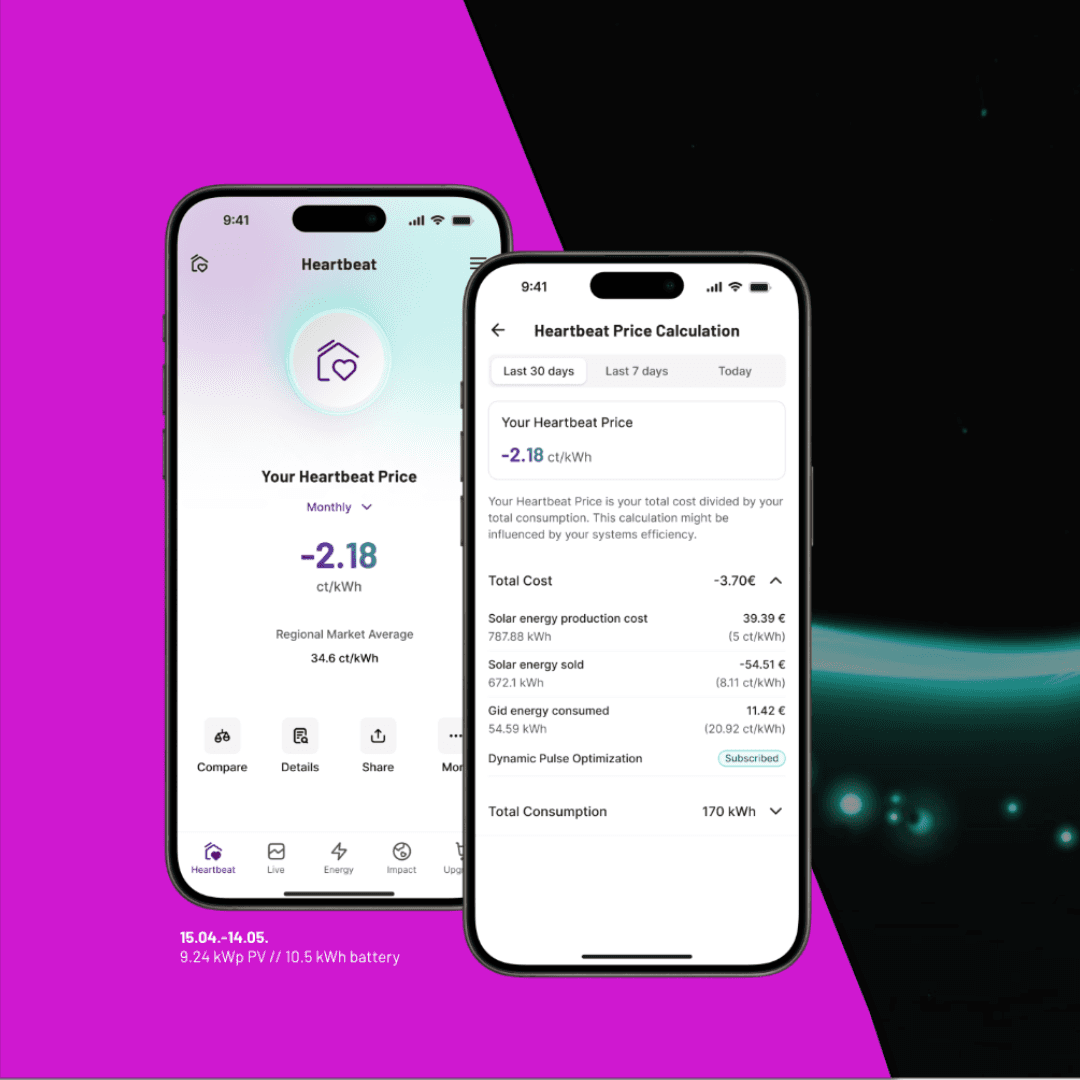
Off-Peak Electricity Is Significantly Cheaper
Many Australian households are now on time-of-use or dynamic pricing plans where electricity prices vary throughout the day. Typically, overnight or off-peak prices can be extremely low and daytime and evening peak rates can be several times higher.
By charging your battery during these cheaper periods, you can:
Avoid buying expensive electricity at peak hours
Discharge stored low-cost energy when prices spike
Reduce overall electricity bills even on low-solar days
This strategy is effective for households without large daytime energy usage.
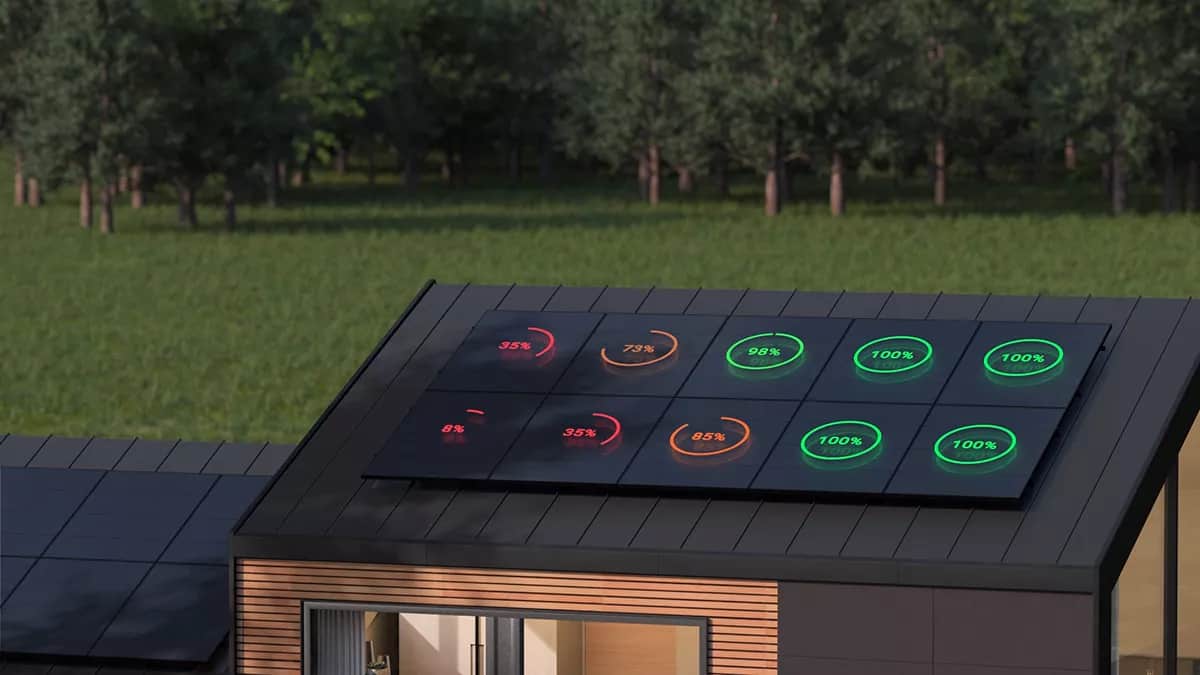
Solar Generation Is Limited
Solar doesn’t always generate enough energy to fully charge a battery, especially when winter days are shorter, extended cloudy or rainy periods occur or there is a roof space, orientation, or shading limits output.
In these cases, a battery that relies only on solar charging may sit partially empty for days at a time. Grid charging allows you to:
Keep the battery active and useful year-round
Improve self-consumption even when solar output is reduced
Avoid underutilising an expensive asset
This ensures your battery continues delivering value even when solar conditions aren’t ideal.

You’re Participating in a VPP
Some VPP programs require batteries to maintain a minimum charge level and be available to export energy during peak demand events
Grid charging can help meet these requirements, particularly if the solar hasn’t fully charged the battery or a VPP event is expected later in the day.
When managed correctly, this can:
Preserve your household’s ability to use stored energy
Ensure compliance with VPP participation rules
Increase eligibility for VPP payments or incentives
The key is ensuring grid charging is controlled, not constant.

You Want Guaranteed Backup Capacity
For households using batteries for blackout protection, grid charging can play an important role ahead of storms or bushfire conditions, heatwaves causing grid stress or known network maintenance or instability.
Grid charging allows you to:
Ensure the battery is fully charged
Reserve sufficient energy for essential loads
Reduce reliance on unpredictable solar generation
This is especially important during emergencies when outages may occur overnight or during poor weather.
VPPs: Turning Your Battery into an Income Asset
A VPP connects thousands of individual home batteries into a single, coordinated network that can respond to electricity grid demand in real time. Instead of relying solely on large, centralised power stations, VPPs draw small amounts of energy from many distributed home batteries during periods of high demand. For homeowners, this transforms a battery from a purely personal energy solution into an income-generating, grid-supporting asset that also contributes to Australia’s clean energy transition.
How VPPs Work
When the electricity grid experiences stress—such as during heatwaves, extreme weather events, or evening peak demand—the VPP operator can remotely dispatch energy from participating home batteries. This stored energy is exported to the grid to help stabilise supply, reduce the likelihood of blackouts, and limit the need to turn on expensive and polluting fossil fuel peaker plants. Dispatch events are typically short and targeted, and many programs allow homeowners to retain a portion of their battery charge for personal use. In return for providing grid support, participants receive financial or non-financial incentives.
Benefits of Joining a VPP
By enrolling your battery in a VPP, you may gain access to a range of benefits depending on the program and provider. These can include direct payments for energy exported during dispatch events, bill credits or reduced electricity rates, and discounted battery pricing or installation incentives. Some VPPs also offer access to advanced energy management features, such as smarter charging optimisation, real-time monitoring, or dynamic tariff integration. Beyond individual benefits, VPPs play an increasingly important role in supporting Australia’s renewable energy system by smoothing supply and demand as more solar and wind power enters the grid.
Trade-Offs to Consider
While VPPs can be financially attractive, they are not without trade-offs. During grid events, your battery may discharge energy that would otherwise be reserved for household use, temporarily reducing the amount available to power your home. Control of the battery may also be partially overridden by the VPP operator during dispatch periods. Over time, increased battery cycling could contribute to additional wear if the system is not managed properly. Higher-quality battery systems and well-designed VPP programs help mitigate these risks by allowing homeowners to set minimum reserve levels, limiting depth of discharge, and using intelligent algorithms to balance grid participation with household energy needs and battery longevity.
Who Is a Good Fit for a VPP?
VPP participation is often best suited to households with larger battery capacities, those that do not rely heavily on their battery for blackout protection, and homes on compatible electricity tariffs. It also appeals to homeowners who want to actively participate in the energy market, maximise the financial return on their battery investment, and support the broader transition to renewable energy. For others—particularly those prioritising backup power—VPPs may still work if reserve settings and participation rules are carefully configured.
Why Batteries Matter to Australia’s Energy Market
Australia’s energy market is increasingly affected by a phenomenon known as the duck curve, which describes the imbalance between electricity supply and demand created by high levels of rooftop solar. During the middle of the day, solar generation floods the grid with low-cost electricity, pushing demand from traditional power sources down. However, as the sun sets and solar generation rapidly declines, electricity demand rises sharply in the evening as households return home, cook, heat or cool their homes, and use appliances. This creates a steep and challenging demand spike that places stress on the grid.
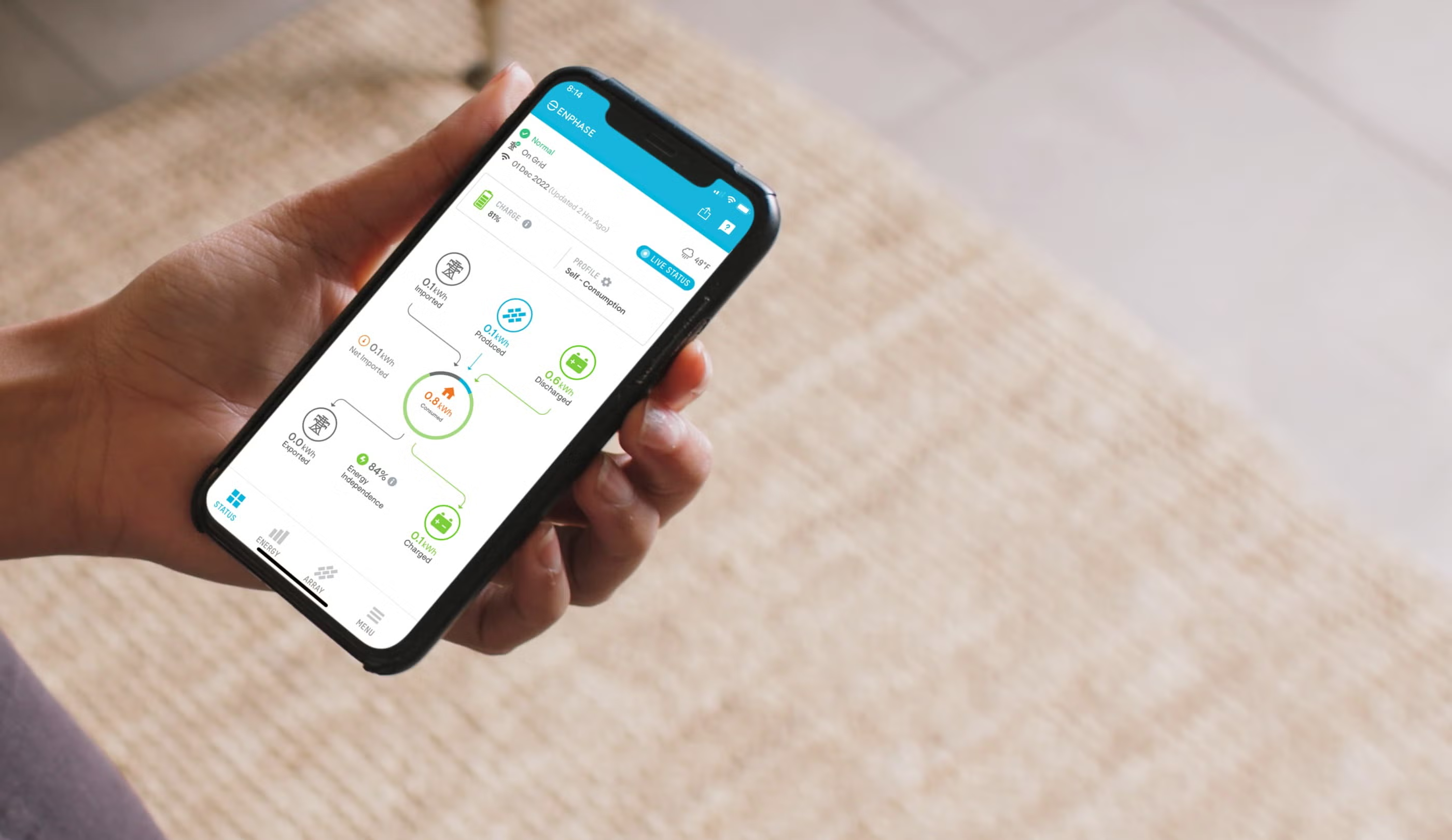
Home batteries play a crucial role in addressing this imbalance. By absorbing excess solar energy during the daytime—when supply is high and electricity prices are low—batteries prevent oversupply and reduce the need to curtail solar generation. Later in the evening, that stored energy can be discharged to power homes, reducing reliance on the grid precisely when demand and prices are at their highest. This helps smooth the transition between daytime solar production and evening consumption.
At a system-wide level, widespread battery adoption improves grid stability by flattening demand peaks and reducing the need for fast-start fossil fuel peaker plants, which are expensive to run and high in emissions. Batteries also enable higher penetration of renewable energy by making solar power more flexible and dispatchable, ensuring clean energy can be used when it’s needed most rather than only when the sun is shining.
At a system-wide level, widespread battery adoption improves grid stability by flattening demand peaks and reducing the need for fast-start fossil fuel peaker plants, which are expensive to run and high in emissions. Batteries also enable higher penetration of renewable energy by making solar power more flexible and dispatchable, ensuring clean energy can be used when it’s needed most rather than only when the sun is shining.
As more Australian households install batteries, they are no longer just energy consumers—they become active participants in shaping the energy market. Collectively, residential batteries help stabilise the grid, support the transition to renewables, and reduce the long-term cost of electricity for everyone. In this way, home batteries are not only a personal investment in energy independence but a critical piece of Australia’s future energy infrastructure.
Is Battery Storage Worth It in Australia?
For many Australian households, battery storage is about more than sustainability. It’s about control, resilience, and long-term savings. Batteries make the most sense if you use electricity in the evenings or early mornings, are on a time-of-use or dynamic tariff, have low feed-in rates, want blackout protection, or plan to stay in your home long-term. They’re also ideal if you’re planning future electrification, such as an electric vehicle, heat pumps, or increased work-from-home energy use.
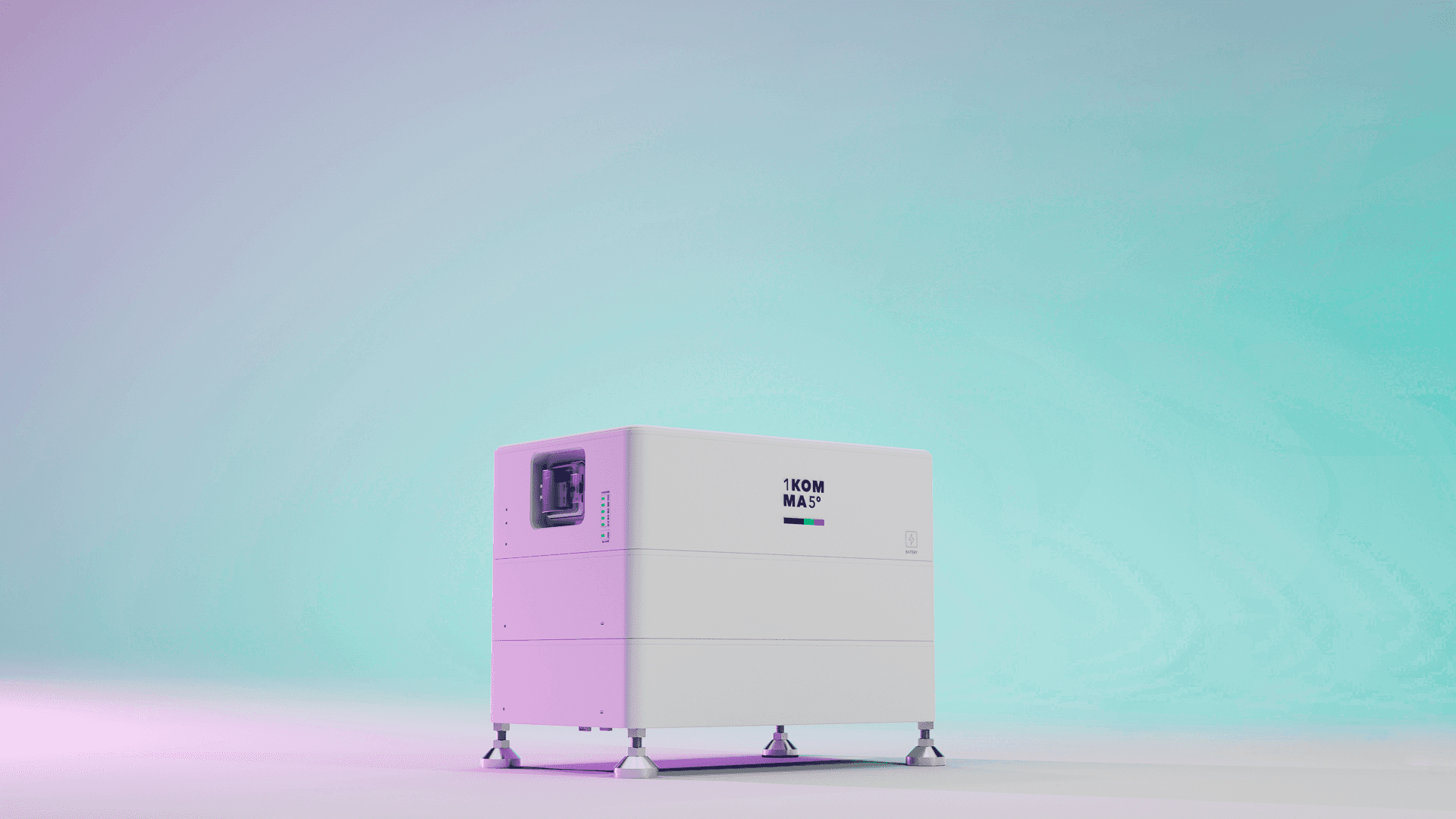
Even a modest system can deliver strong value when paired with smart energy management or a modular setup that grows with your household. That’s why the 1KOMMA5° battery is designed to be flexible, intelligent, and future-ready. If you’re interested in adding one to your home, give us a call to find the right size for your needs.
Battery storage may be less compelling if you receive high feed-in tariffs, use very little electricity, plan to move soon, or don’t need outage protection but falling costs and smarter software are making batteries more valuable for all households over time.

1KOMMA5° Blog
Need more information?
Head over to the 1KOMMA5° blog for more helpful tips and other important guides on everything solar, from inverters, panels and batteries to how to make the most of your investment for years to come.
Frequently Asked Questions about Installing Batteries
What size battery do I need?
The right battery size for your home depends on:
Your daily electricity usage
How much solar you generate
Whether you want backup power
The average battery size installed in Australia ranges between 15–20 kWh. Here's an article to learn more.
Is getting a battery worth it?
Without battery storage, most solar homes will only be about 30-40% self-sufficient. By adding battery storage, we can completely eliminate your power bills.
Unlike solar power, battery storage offers a lot more than savings on your power bill. So when you consider if battery storage is worth it for your household, you also need to factor in:
Blackout protection
Virtual power plants (VPPs) – sell excess solar power at a rate much higher than standard feed-in tariffs
The ability to run your home on solar power 24 hours a day
Protection from future price rises for electricity
The ability to charge an electric car, which also helps you save money on petrol
Divesting your home from coal and gas
There are also a number of intangible benefits that our customers enjoy, such as the freedom that comes from being independent of the power grid.
What battery rebates are available?
Australians have access to the Cheaper Home Batteries Program, a Federal Government initiative designed that make home battery storage more affordable and accelerate Australia’s clean energy transition. It provides upfront discounts (up to 30%) on approved battery systems for households, small businesses, and community organisations through the Small-scale Renewable Energy Scheme (SRES).
The current rebate applies until April 2026, after which it will gradually reduce every six months until the program ends in 2030. Installing earlier, especially for standard home-sized batteries, maximises savings, while larger batteries will receive smaller rebates from May 2026 onwards.
Can I add a battery to my existing solar system?
In most cases, yes. Batteries can usually be retrofitted to existing solar systems, though compatibility depends on your inverter and system setup. If you're unsure, contact us so one of our battery experts can provide you with some guidance.
More Helpful Articles:
1KOMMA5° Blog
Need more information?
Head over to the 1KOMMA5° blog for more helpful tips and other important guides on everything solar, from inverters, panels and batteries to how to make the most of your investment for years to come.