How Long Do Solar Batteries Last? Tips to Optimise Your Battery Lifespan
The lifespan of solar batteries can vary considerably, depending on their build quality, internal chemistry, and install location. So how do you keep yours in peak health? Learn about the longevity of home batteries and how to ensure yours delivers exceptional value, year after year.
Key Takeaways:
Lithium-ion solar batteries typically last 5–15 years. Lifespan varies considerably depending on battery chemistry, build quality, and install location — meaning a smart upfront decision can deliver up to an extra decade of value.
The most advanced batteries offer the longest lifespans and best value for money. Premium lithium-ion batteries using the latest cell technology maintain near-new efficiency for 10–15 years, while cheaper alternatives may degrade noticeably within 5–8 years.
Smart energy management software can maximise your battery's longevity. By automatically optimising charging and discharging cycles, a good energy management system reduces unnecessary stress on your battery's cells, extending its useful life.
Choosing a reputable brand and accredited installer makes a significant difference. Poor installation or incorrect charge settings from day one can accelerate degradation, while a quality setup protects your investment for years to come.
How long does a solar battery last?
When you’re looking to invest in a home battery system, its longevity is one of the most important factors you should consider. This is because the lifespans of lithium-ion solar batteries can vary considerably, depending on their build quality, install location, and usage patterns. They typically last somewhere from 5-15 years - meaning a smart up-front decision can deliver up to an extra decade of financial and environmental benefits.
Over time, all batteries gradually lose their ability to store energy. Most lithium-ion batteries are considered to have reached the end of their optimal lifespan when their storage nominal capacity drops to around 60–80% of the original nominal capacity. For example, a battery that originally stored 10 kWh may store around 6–8 kWh after many years of use.
These batteries can still continue operating beyond this point. They simply store less energy than when they were new.
This is also worth keeping in mind when evaluating warranty periods - a 12-year warranty is a performance guarantee, not an expiry date. Many batteries continue operating usefully well beyond their warranty window.
Cheaper solar batteries, which often feature inferior battery chemistry and low-grade cells, may last 5-8 years and experience a noticeable falloff in storage capacity. In contrast, premium lithium-ion batteries can deliver 10-15 years of reliable operation while maintaining near-new efficiency throughout this time.
As a solar battery system is a significant investment - and the government rebate only applies to your first purchase - it’s crucial to choose a proven, high-quality brand.
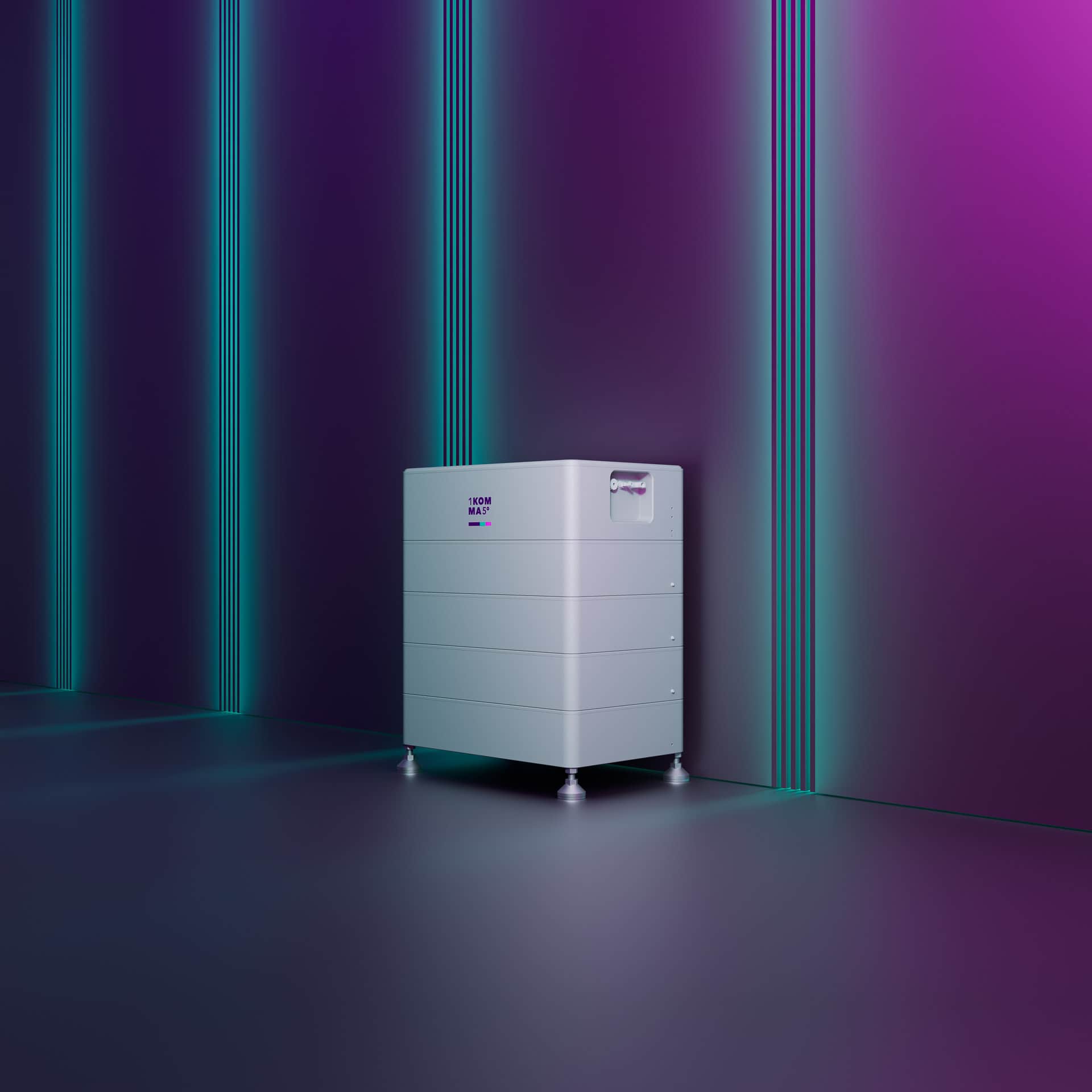
At 1KOMMA5° Australia, our German-engineered modular batteries feature long-life LFP cells backed by a 12-year warranty. When coupled with quality solar panels and an expert installation, these home battery systems deliver years of reliable operation and savings.
How lithium batteries charge and discharge
Home battery systems may look simple, but they actually comprise thousands of individual cells. Each one contains an anode with a positive charge at one end, and a cathode with a negative charge at the other. Between these two is a liquid electrolyte, which is full of millions of tiny particles called ions.
When you charge a battery, the electrical voltage drives the lithium ions through the electrolyte to the anode, where they are stored. When you discharge the battery, the process works in reverse: the charged lithium ions leave the anode and travel through the electrolyte back to the cathode.
Repeating this process over and over gradually causes the battery to degrade, meaning it can't store as much electricity as when it was new. However, batteries with the most advanced chemistries and materials maintain the highest efficiency over a longer period.
Why ‘full charge every day’ isn’t ideal
This may sound counterintuitive, but charging your solar battery to 100% every day can actually reduce its lifespan. This is because keeping your battery at a full charge (its maximum voltage) puts unnecessary stress on its internal components, which can speed up degradation.
This isn’t to say you should never charge your battery to 100% - but keeping it at a full charge for extended periods is not recommended. While quality lithium-ion batteries will deliver high performance over many years, your charging habits can help maximise their lifespan. The ‘Goldilocks zone’ is to keep your daily charging range between 20% and 80%, while allowing it to reach 100% a few times a month for cell balancing. This applies to other batteries as well, like your EV, e-bike, wireless speakers, or mobile phone!
If your battery has an energy management system, you can usually customise these charging settings via its app or website. When having your battery installed, the electrician can also suggest optimum charging habits based on its cell type and system configuration.

Depth of discharge (DoD) and life cycle
A battery’s depth of discharge (DoD) is the amount of energy it has discharged relative to its total capacity. For example, if a battery can store 10 kilowatt hours (kWh) and discharges 6 kWh, its DoD is 60%.
Older lead-acid batteries are not designed to be completely discharged and typically have a recommended DoD of just 30-50%. This means you need 2-3 times as much battery capacity in your system, as you can only access a fraction of their usable power. Thankfully, today’s lithium-ion batteries have a DoD of 90-100%, meaning you can use most or all of their total energy without affecting their warranty or lifespan.
What is a battery cycle?
A battery cycle is one complete charge and discharge, from 0% to 100% and back again. A battery's ‘life cycle’ is the number of complete cycles it can perform before its storage capacity drops to 80% of its initial value.
For example, if a battery has a ten-year warranty at 7,300 cycles, you can completely charge and discharge the battery twice every day for ten years. Models that use the newest battery chemistries and production methods typically offer the highest number of life cycles.
To put this in practical terms: if your battery has a storage capacity of 10 kWh when new, the end-of-warranty benchmark of 80% means it will store at least 8 kWh at that point. For most households, this difference is barely noticeable in daily use — your battery will still cover the bulk of your evening energy needs. However, it's worth factoring into your long-term savings estimates, particularly if you have high energy consumption or rely heavily on the battery during winter months.
How smart systems optimise charging automatically
Once you've had a home battery system installed, you probably don’t want to spend your time worrying about its state of charge or overall health. That’s why most leading solar batteries feature an energy management system that can optimise its charging cycles automatically.
Accessible via an app or website, energy managers provide a simple overview of your solar and battery system’s generation, storage, and consumption. Many also allow you to customise their pre-configured settings if you want more control over your battery’s performance. Otherwise, you can let the energy manager work autonomously and use the app to view your energy flows and savings.
Smart energy management systems can also improve over time through software and firmware updates. These updates can refine charging algorithms, introduce new features, and even extend the effective lifespan of the battery by optimising how it manages its cells — meaning your system on year five may actually perform better than it did on day one.
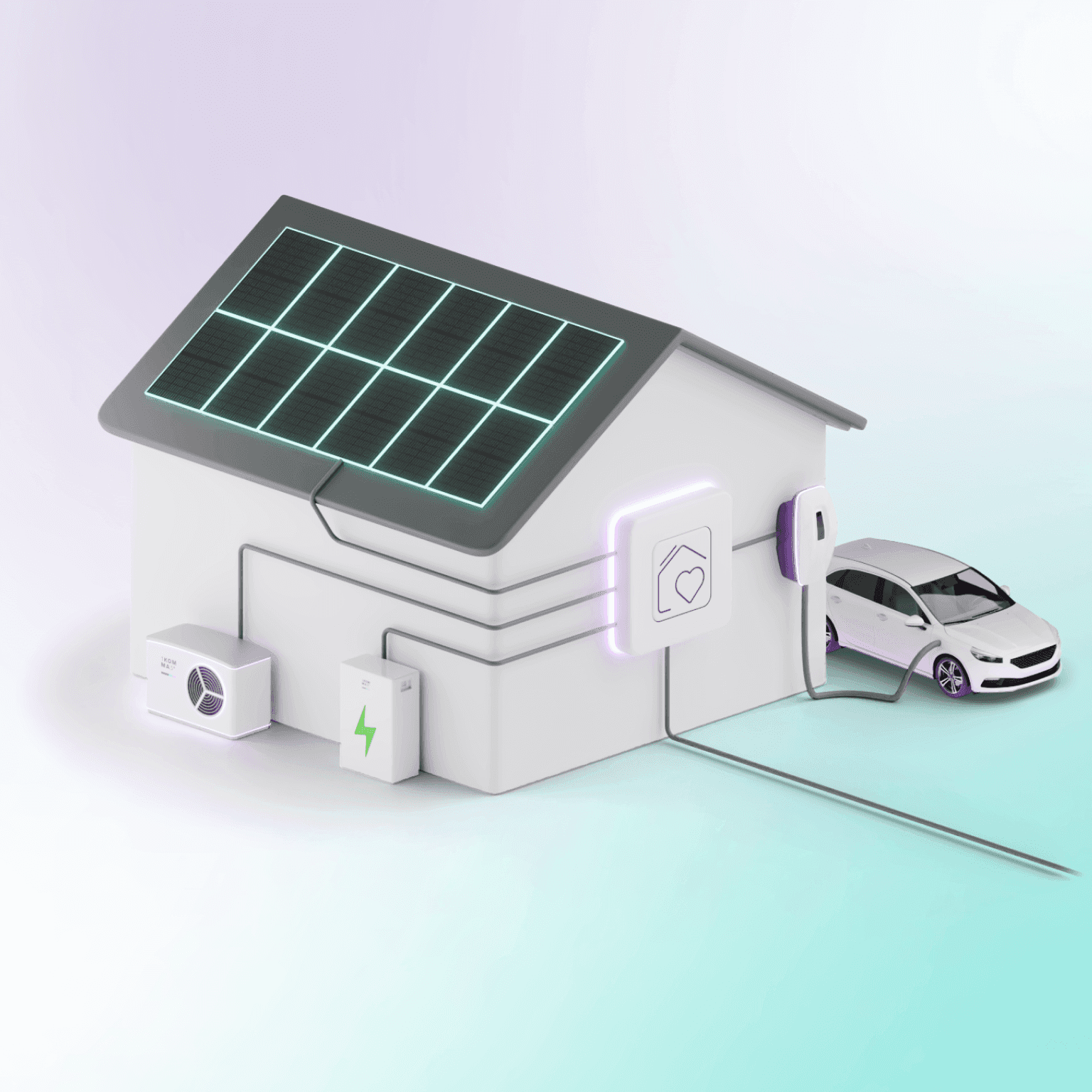
The 1KOMMA5° modular battery system comes ready to integrate with our intelligent energy manager, Heartbeat AI. Along with optimising your battery’s charging and discharging, it allows you to access the cleanest and cheapest electricity available. Contact the 1KOMMA5° team for more information.
Seasonal and weather-related factors
Batteries are a little bit like people: they don’t like being too hot or too cold. If you can help your battery maintain stable temperatures throughout the year, it will typically deliver the best performance. That’s why it’s best to install your battery in a temperate undercover area, like a garage or under eaves on a sheltered wall.
Even in an ideal location, ambient temperatures still play a factor. When it’s boiling hot in summer or freezing cold in winter, these can have minor impacts on battery performance - although they won’t cause damage or affect your warranty. During your initial quote, a trained system designer can suggest an ideal battery location or provide a couple of suitable options.

What happens at the end of your battery's life?
When your battery does eventually reach the end of its useful life, you have a couple of options. Many modular battery systems — including the 1KOMMA5° system — allow individual modules to be replaced rather than the entire unit, which can significantly reduce replacement costs and extend the overall system's life.
Battery recycling is also an increasingly well-supported option in Australia, with dedicated programs now accepting lithium-ion batteries for responsible processing. Reputable installers can advise on local recycling options at the time of replacement. While end-of-life planning might feel premature when you're buying a new system, choosing a modular and recyclable battery from the outset is a sound long-term decision — both financially and environmentally.
Tips for maximising your home solar battery lifespan
If you want to help your battery maintain peak performance, follow these expert tips:
Install your battery inside a garage or other weather-protected area.
Avoid keeping your battery at 100% charge for extended periods.
Choose a battery brand with a smart energy management system that optimises its charging and discharging automatically.
Don't underestimate the importance of installation quality
Incorrect charge settings configured at installation can place unnecessary stress on cells from day one. Beyond the initial setup, it's worth scheduling a system health check every few years, where your installer can review performance data, update settings, and identify any early signs of degradation. Choosing an accredited installer with demonstrated experience in battery systems is one of the most effective things you can do to protect your investment.
A home solar battery system is a significant investment, and you can only claim the federal rebate once, so it’s vital to make an informed choice. If you’d like more information about the lifespan of solar batteries and how to find the ideal system, call the 1KOMMA5° team on 1300 976 040 or request a free quote online.
More Helpful Articles:

1KOMMA5° Blog
Need more information?
Head over to the 1KOMMA5° blog for more helpful tips and other important guides on everything solar, from inverters, panels and batteries to how to make the most of your investment for years to come.