
Modular Solar Batteries: How to Scale Your Energy Storage Over Time
A solar battery system offers a pathway to the cheapest and greenest electricity for your home. And because your power use can increase in the future, some battery systems have a modular design that allows you to upsize your storage capacity. Discover the unique benefits of these modular battery systems - and whether they're the best option for you.
Key Takeaways:
Modular solar batteries are scalable systems.
They allow you to increase your storage capacity over time instead of locking you into a fixed-size battery from day one.Their stackable design offers exceptional flexibility.
Your energy storage can evolve as your household’s electricity use changes, whether that’s from adding an EV, new appliances, or a home extension.Additional batteries are quick and easy to install or replace.
Because the system is designed for expansion, upgrades usually involve minimal wiring and labour compared to installing a second full battery system.Modular systems are cheaper to expand, but rebates are one-time only.
While adding batteries later is generally more affordable, the government’s battery rebate only applies to your initial installation.
What's the difference between a modular and non-modular battery?
Home solar battery systems come in all shapes and sizes, but they can all be categorised as either modular or non-modular. Both deliver the same core benefits: they allow you to use your solar energy at night and can power your home during a blackout. But whether you should choose one or the other boils down to what you ultimately want to achieve.
Here’s a quick rundown of the two types:
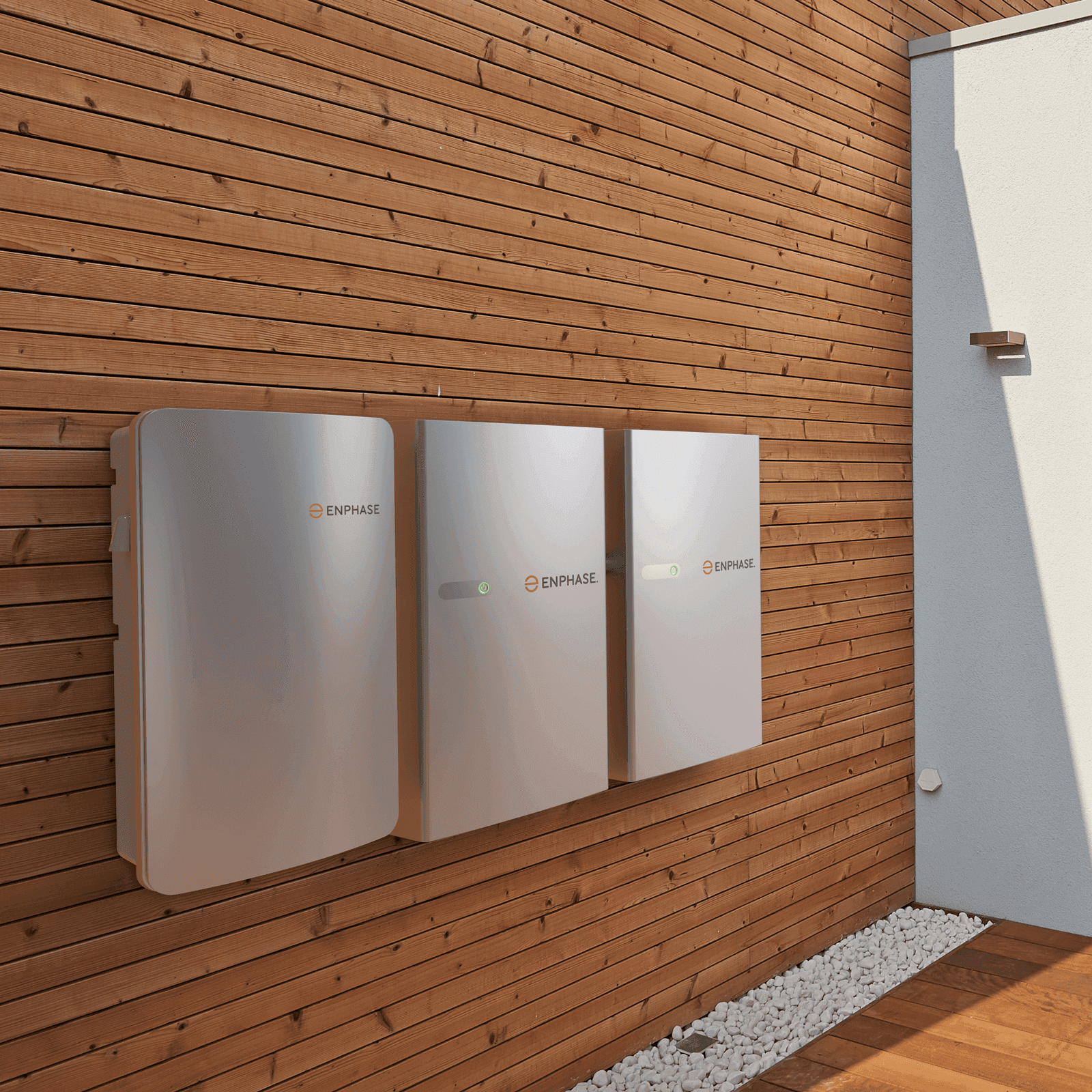
Non-modular
A non-modular solar battery system is a complete, self-contained battery that is not expandable. If you have one and want to increase its storage capacity, you need to install a complete second system. These batteries - such as the Tesla Powerwall 3 - are typically very large, heavy units that require two people for installation or maintenance.
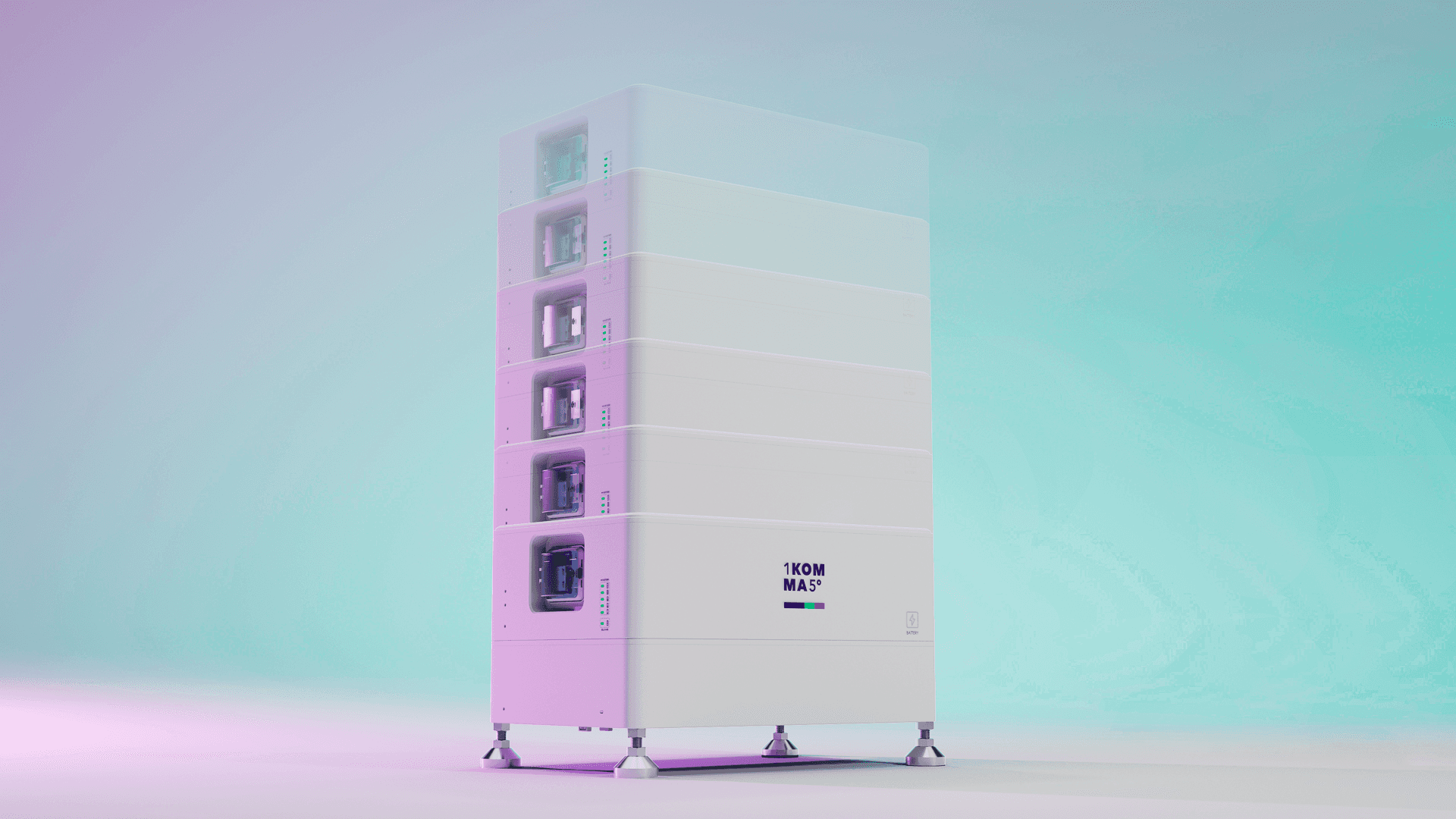
Modular
A modular solar battery system contains a series of smaller and lighter stackable batteries that you can scale over time. With some models, you can increase your capacity by over 400% without needing to change any of your existing hardware. As these systems contain smaller individual batteries, they’re typically much easier and cheaper to install or replace.
The advantages of upsizing your battery later
Modular solar batteries offer terrific flexibility in two key areas: budget and electricity use. For example, you may wish to install a battery system with around 20 kWh of capacity - an ideal size for many Australian homes - but you might not have the budget to do it all up front. With a modular battery, you can start with a smaller capacity like 9 or 12 kWh and then expand to your desired size later on.
Stackable batteries are also more future proof as they can grow with your energy needs. For instance, your power use may rise due to purchasing an EV, adding new appliances, extending your home, or even welcoming a new family member. By adding extra batteries, you can capture more of your excess solar energy to use at night, and have more backup power available in the event of a blackout.
| Modular Battery Systems | Non-Modular Battery Systems | |
|---|---|---|
| Expandability | Expandable over time, up to a set capacity | Not expandable - adding capacity requires installing a second, separate system |
| Up-front Cost | Lower initial cost, ideal for homeowners who want flexibility to expand later | Higher up-front cost as the system is installed at full capacity from day one |
| Installation | Simpler and faster installation | Longer and more complex installation process |
| Rebates & Incentives | Does not fully maximise battery rebates, as future expansions usually don’t qualify for additional incentives | Maximises battery rebates, as incentives apply to the full system installed initially |
| Warranty & Maintenance | Easier warranty support - individual battery modules can be swapped or replaced | More complex warranty support - faults may require servicing or replacing the entire system |
| Best Suited For | Homeowners who want to start small and scale their battery as energy needs grow | Homeowners who want maximum storage and savings from day one |
Impacts on warranty and lifespan
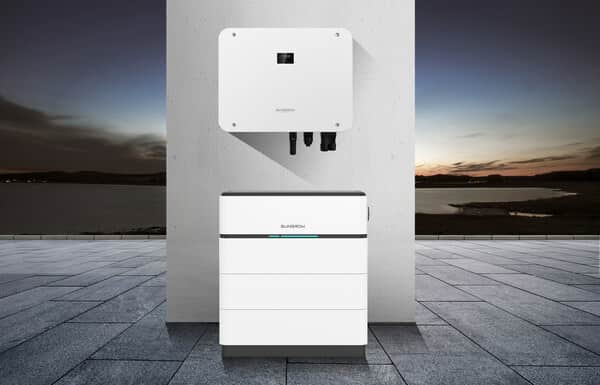
While modular battery systems are expandable, they aren’t ‘mix and match’. This means that when you add batteries, they must be the same type from the same manufacturer. Provided you have the correct batteries installed by an accredited electrician, there are no negative impacts on your system’s warranty or lifespan.
Modular batteries also have distinct advantages in servicing and maintenance. For example, 1KOMMA5°’s German-engineered modular battery system features long-life LFP battery cells, backed by a 12-year warranty. If one of these systems experiences an internal defect, it’s fast and easy to swap out the faulty battery. This flexibility minimises any disruptions to your energy storage or backup power supply.
In contrast, if a non-modular battery has an internal fault, the entire unit may need to be uninstalled and replaced. This may also require two people and a considerable amount of time and labour. In this scenario, you’ll also be left without any battery storage or backup power while you’re waiting for a new model.
Possible limitations due to one-time rebates
Australia’s ‘Cheaper Home Batteries Program’ offers an up-front ‘STC’ discount of around 30% for eligible home battery systems. It also applies to expansions installed before 2030, provided the original system didn’t already claim a rebate. This means that if you install a new modular system today and expand it later, you won’t get extra rebates on the additional batteries.
In December 2025, due to the program’s runaway success, the government increased its funding from $2.3 billion to a staggering $7.2 billion. This change will help around two million households install battery systems by 2030, when the rebates are set to end.
Along with this extra funding, there have also been some key changes:
From May 2026 onwards, the amount of STCs applicable will decline every six months instead of once a year. This means that the longer you wait to install a system, the smaller your discount will be.
Success can be a curse: the program's budget may still run out before 2030, which means it’s best to act sooner rather than later.
There are also upcoming changes to how the STC amount is calculated. While it currently applies equally to all systems up to 100 kWh, it will soon apply on a sliding scale. This means that bigger systems (whether modular or non-modular) attract a larger up-front rebate, offering better overall value.
These new rules apply to systems installed from May 1, 2026, onwards (based on usable system capacity):
From 0 kWh up to 14 kWh (inclusive): the STCs still apply at 100%.
Every kWh greater than 14 and up to 28 kWh (inclusive): the STCs apply at 60%.
Every kWh greater than 28 and up to 50 kWh (inclusive): the STCs apply at 15%.
The key takeaway from these changes is that if you’re thinking of installing a home battery system, the best time to act is now. The sooner your system is ordered and installed, the larger your up-front discount will be.
How to scale your system
Expanding a modular system is fast and simple, as the base unit already has all the required hardware and controls. It’s just a matter of purchasing extra batteries and having them professionally installed, which can take less than an hour.
When planning your initial system, a battery expert can help you identify a suitable location, such as in your garage or another undercover area. At 1KOMMA5°, our modular battery has a simple stackable design, meaning all you need is enough headroom to expand upwards. Even with all nine batteries installed, the system stands less than 1.5 meters tall, making it a practical choice for most Australian homes.
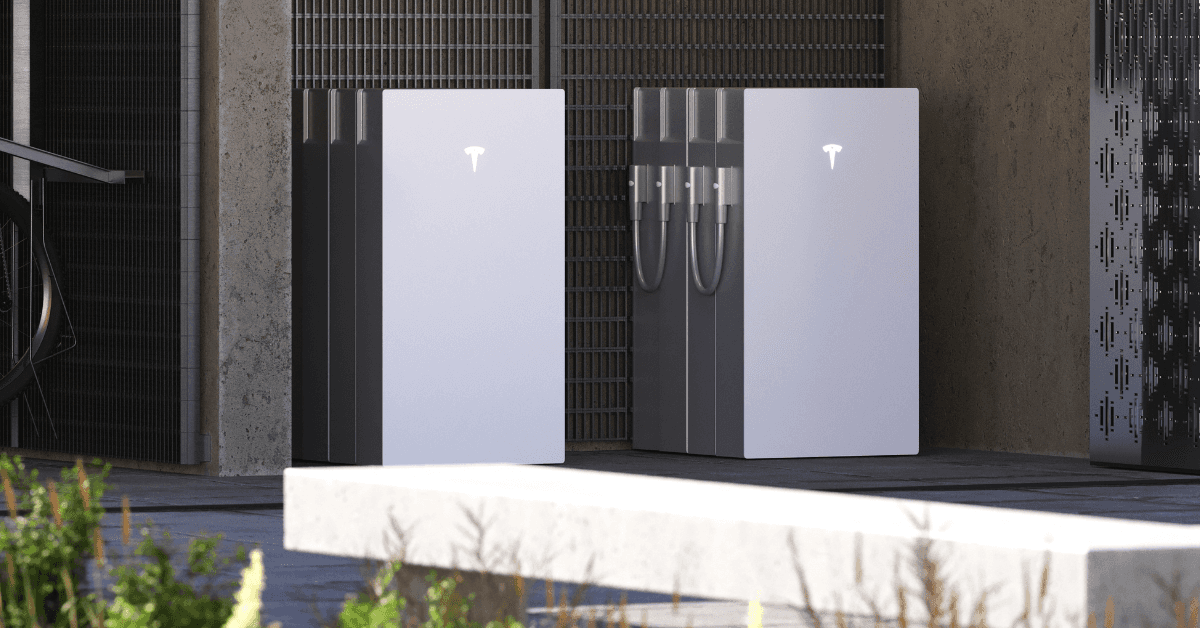
Some real-world examples
Let’s compare some popular modular and non-modular battery systems:
Example #1 - Tesla Powerwall 3: This is a fully self-contained battery system with a total capacity of 13.5 kWh. If you want to increase your system size, you’ll need to add another complete unit (or two), which may be a lot larger and more expensive than you need. If your initial battery is wall mounted, you’ll also need enough wall space for another battery if you want a uniform look.
Example #2 - The 1KOMMA5° modular battery: This highly flexible system can start with as little as two batteries (9.3 kWh of total capacity) and scale up to nine (41.9 kWh of total capacity). Each new battery adds around 4.6 kWh of energy storage, allowing you to tailor the system to your specific requirements.
Buying larger initially vs. expanding later
Choosing a home solar battery size ultimately boils down to finding the right balance between your energy needs and your budget. And as the government’s battery rebate will now decrease twice a year from May 2026, there’s a clear incentive to act now and install a larger system up front.
So when does a non-modular battery make the most sense? They can be a great choice if you’re limited by space, or if you only want a single installation with minimal hassle. They also allow you to maximise the battery rebate, as it only applies to your initial installation.
On the other hand, modular battery systems are more future proof for several reasons:
Many Aussie homes are using more power due to adding new appliances.
EV adoption is growing quickly.
Electricity prices continue rising.
More homes are installing solar, smart devices, and electric heat pumps.
All in all, modular batteries offer the greatest flexibility by allowing you to scale your capacity in the future. This is ideal if you’re limited by budget, working towards a specific battery size, or simply want a system that can grow with your energy needs.
If you’re considering a home solar battery and need help comparing modular and non-modular systems, the team at 1KOMMA5° is here to help. For some personal and honest advice, request a free online quote or contact a member of our team.
More Helpful Articles:

1KOMMA5° Blog
Need more information?
Head over to the 1KOMMA5° blog for more helpful tips and other important guides on everything solar, from inverters, panels and batteries to how to make the most of your investment for years to come.