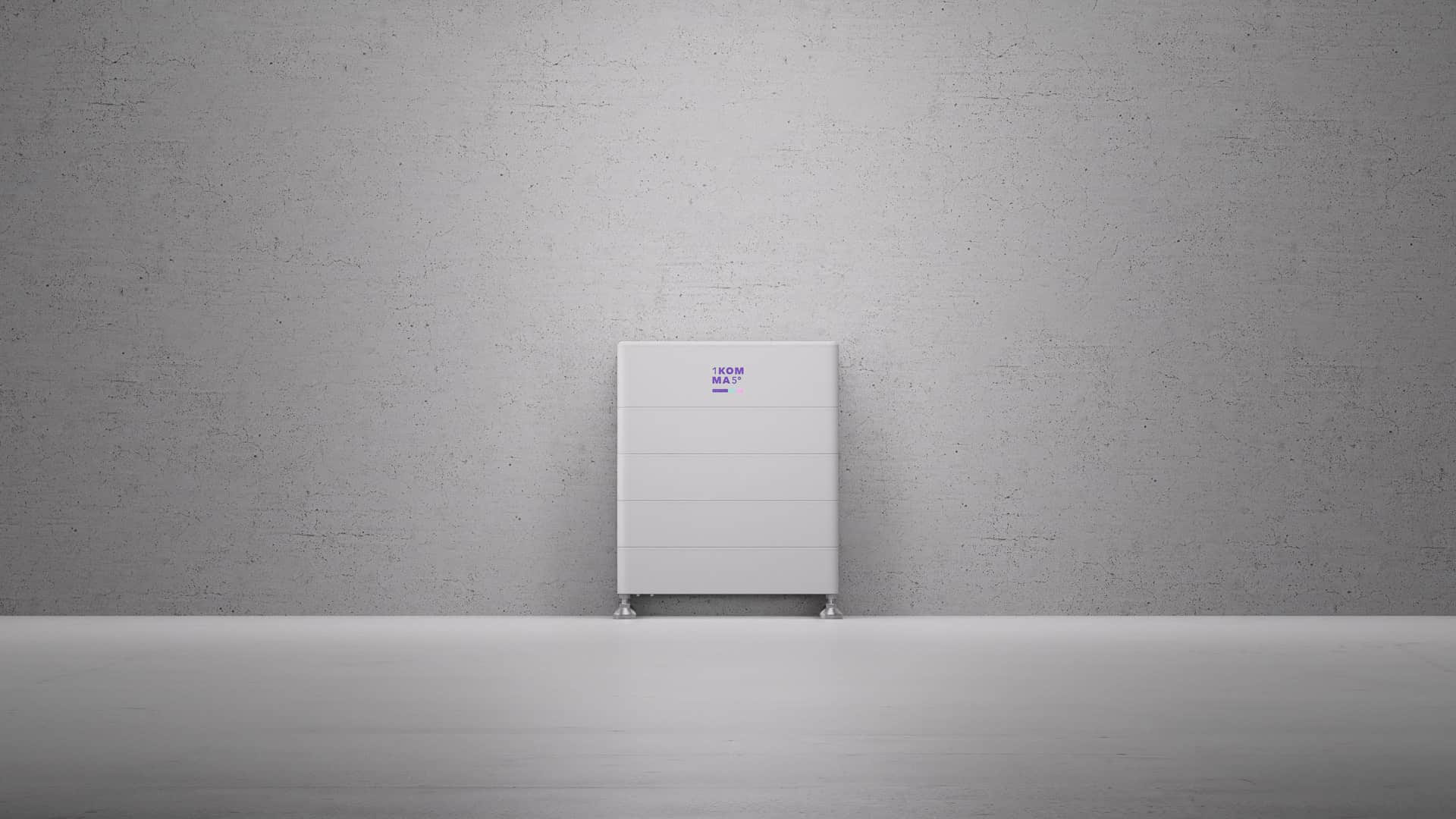
Should I Charge My Solar Battery from the Grid?
If you own a solar battery, chances are you probably thought it could only be charged through a solar panel in your home. But what if you could also charge it directly from the grid and still save money by doing so? As electricity costs are constantly fluctuating, there are times during the day when it makes more sense to charge from the grid.
In this comprehensive guide, we will answer all of your questions on why this happens, how to charge a solar battery from grid power, which energy plan is right for you and how to get off-peak electricity so you are paying the lowest cost possible.
Key Takeaways:
When solar generation is high, electricity prices can drop very low or even turn negative as solar power plants flood the energy supply system.
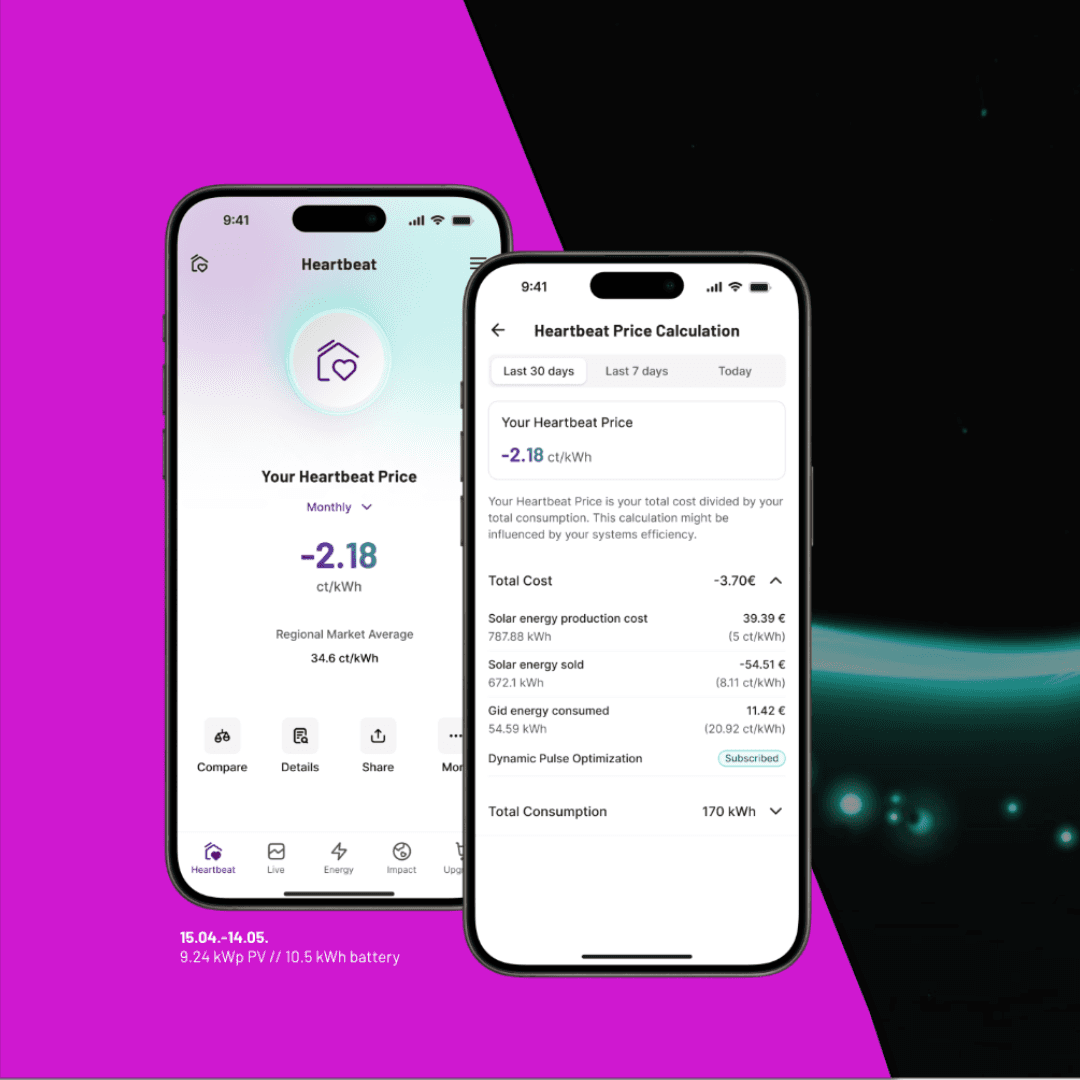
Smart energy management systems such as 1KOMMA5° Heartbeat AI can automatically charge your battery at the cheapest times to give you the best price.
Your energy plan, whether it is standard, wholesale or VPP, determines how much you benefit.
Charging from the grid at the right time can reduce bills, increase flexibility and support a renewable-powered grid.
Why Charge a Solar Battery from the Grid?
Solar batteries are designed to store excess solar energy for later use, but they don’t have to rely on solar alone. On sunny days, Australia’s electricity grid can become oversupplied as large-scale solar and rooftop systems generate more power than is immediately needed.
When this happens, wholesale electricity prices drop, sometimes to very low levels or even below zero. Retailers may pass these conditions on through cheaper off-peak pricing or wholesale-linked plans, encouraging households to use or store energy instead of letting it go to waste.
Charging your battery from the grid during these periods allows you to store low-cost energy and use it later when prices rise. This process is known as load shifting, where energy use is moved from expensive peak periods to cheaper times of the day. Not only does this reduce your electricity bill, but it also helps stabilise the grid and improves the efficiency of renewable energy use.

How Does Grid Charging Work?
There are two main ways to charge your solar battery using grid electricity: manual scheduling or automated smart energy management.
Some battery systems allow you to manually schedule charging through the inverter. For example, you might set your battery to charge between late morning and early afternoon, when solar generation across the grid is typically high. This approach works, but it relies on you knowing your retailer’s off-peak windows and adjusting settings if prices change.
A more advanced option is using a smart energy management system such as 1KOMMA5° Heartbeat AI. These systems continuously monitor electricity prices, weather forecasts, and your household energy usage. They automatically charge your battery when grid electricity is cheapest and avoid charging during expensive periods without you needing to lift a finger. This removes guesswork and ensures your battery is always optimised for cost and efficiency.
Choosing the Right Energy Plan
How much you benefit from grid charging depends heavily on your electricity plan.
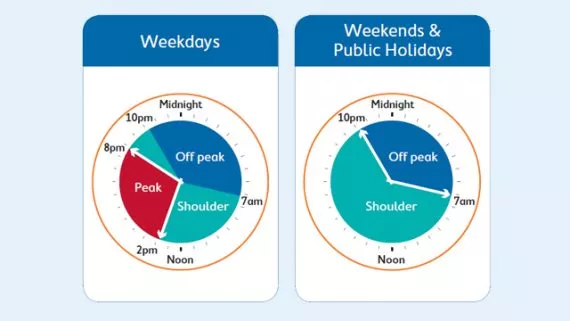
Standard Time-Of-Use Plans
This typically divides the day into peak, shoulder, and off-peak periods with fixed pricing set by the retailer. These plans offer predictability and can work well if your battery is charged consistently during off-peak times, such as overnight or midday. However, savings are limited to the retailer’s predefined pricing windows.
Wholesale Market Plans
They track real-time prices from the National Electricity Market. During periods of high solar generation, prices can drop extremely low or turn negative, offering significant savings potential. The downside is exposure to price spikes during peak demand. For this reason, wholesale plans work best when paired with a smart energy management system that can respond instantly to price changes.
Virtual Power Plants (VPPs)
They connect your solar battery to a network managed by a third-party operator. Your battery may be charged during low-price periods and discharged back to the grid during peak demand in exchange for credits or payments. While this supports grid stability and can generate additional value, it does mean less direct control over when your battery is used.
| Plan Type | How It Works | Pros | Cons |
|---|---|---|---|
| Standard Plan | Offers fixed peak, shoulder and off-peak rates set by a retailer | Gives consumers predictable pricing, making it easier to plan usage and get lower rates. | Limited flexibility, with savings depending on the retailer's set times. Negative pricing may not be an option |
| Wholesale Plan | Prices change in real time based on the National Electricity Market Rates | Access to very cheap or even negative prices, which can be optimised by using smart energy management systems | May be exposed to high prices during peaks |
| VPPs | Solar battery joins a network by which a third-party operator manages charging and discharging | Earn credits or repayments through this method, helping to support grid stability | With less personal control, your solar battery may be discharged during peak periods |
How Long Does It Take to Charge a 10kWh Battery from the Grid?
Charging time depends on both battery capacity and inverter power. A 10kWh battery charging at 5kW will take roughly two hours to fully charge, while a 2.5kW charging rate would take closer to four hours.
In practice, smart energy systems rarely charge a battery from empty to full in one go. Instead, the battery is topped up incrementally during the cheapest pricing windows, making the process more cost-effective and efficient over time.
Key Benefits of Charging from the Grid
Charging your solar battery from the grid offers more than just bill savings. It increases flexibility, improves energy security, and helps make better use of renewable energy.
From a financial perspective, charging during low or negative price periods reduces reliance on expensive peak electricity. It also gives you freedom. You’re no longer limited to charging only when the sun is shining.
From a grid perspective, storing excess renewable energy helps prevent waste and reduces pressure during peak demand periods. For homeowners, this means greater resilience, access to stored power during outages, and less reliance on fossil-fuel-powered peak generation.
Sustainability: A Hidden Bonus

Charging your solar battery from the grid during periods of high renewable generation plays a quiet but important role in building a cleaner, more resilient energy system. In Australia, solar generation often peaks in the middle of the day when electricity demand is relatively low. When the grid cannot absorb all of this renewable energy, it may be curtailed , meaning clean energy is effectively wasted.
By charging your battery during these periods, you help capture surplus renewable electricity and store it for later use. That stored energy can then be used in the evening or during peak demand, when the grid would otherwise rely more heavily on gas or coal-fired generation. In this way, grid charging helps shift renewable energy from times of oversupply to times of need, reducing overall emissions across the system.
This approach also supports Australia’s transition toward a more decentralised energy network. Instead of relying solely on large, centralised power stations, homes with solar and batteries become active participants in the energy system. Each battery acts as a small, distributed storage unit, helping balance supply and demand across the grid and reducing strain during peak periods.
Participating in a VPP can further amplify these sustainability benefits. When connected to a VPP, your battery can be coordinated with thousands of others to respond to grid conditions in real time. During periods of high renewable output, the network can absorb excess energy, and during times of peak demand or grid stress, stored energy can be released to support stability. This collective response reduces the need for fossil-fuel-powered peaking plants and helps smooth out the variability of renewable generation.
When Does Charging from the Grid Make Sense?
Charging your solar battery from the grid makes the most sense when you’re on a time-of-use, wholesale, or dynamic pricing plan and have the right technology in place. With access to off-peak or negative pricing and a smart energy management system to optimise charging, grid charging becomes one of the smartest ways to maximise the value of your solar battery.
It’s not just a technical option; it’s a strategic advantage. Done right, it can lower costs, improve energy security, and accelerate the shift to renewable energy.
Looking to get more out of your solar battery?
Explore the 1KOMMA5° Battery and see how Heartbeat AI automatically charges at the cheapest times to maximise your savings. Get in touch with us to learn more.
More Helpful Articles:

1KOMMA5° Blog
Need more information?
Head over to the 1KOMMA5° blog for more helpful tips and other important guides on everything solar, from inverters, panels and batteries to how to make the most of your investment for years to come.