New 2026 Battery Rebate Updates Announced

Learn more
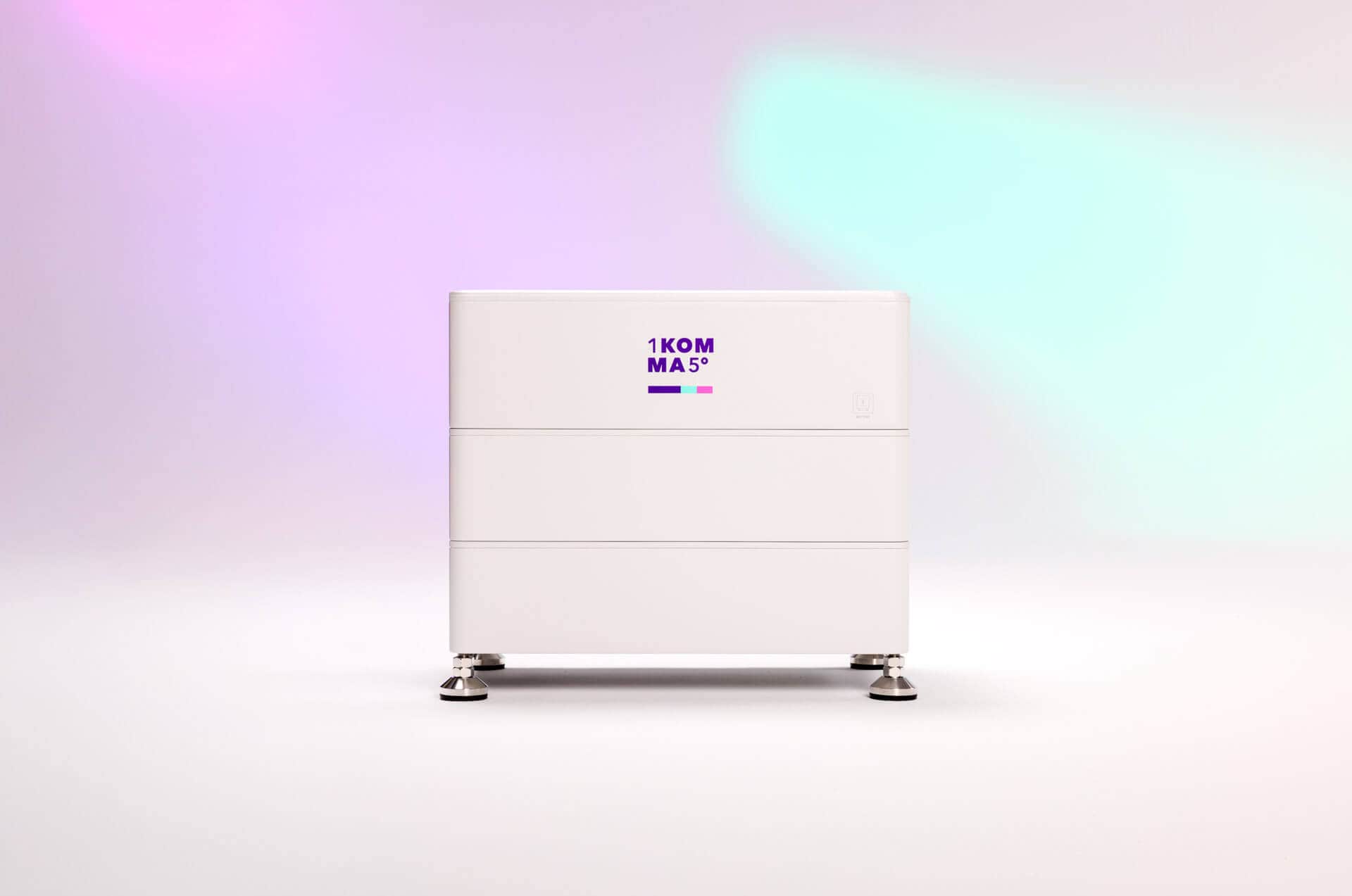
1KOMMA5° solar battery

Sodium-Ion vs Lithium-Ion Batteries: Which is the Future of Energy Storage in Australia?

Lithium-ion batteries are the standard in home energy storage, but a new generation of sodium-based batteries could be just around the corner. With the promise of lower costs, enhanced safety, and a smaller environmental impact, sodium-ion batteries could help reshape Australia's energy future. Learn all about this exciting technology and when these batteries might be available.

Key Takeaways:

  • Lithium-ion batteries are still the most practical choice for Australian homes today.
    They offer high energy density, long lifespans, and a proven track record in Australia’s climate, making them the current gold standard for home energy storage.

  • Sodium-ion batteries are an emerging technology with strong long-term potential.
    By using abundant raw materials, they promise lower costs and a smaller environmental footprint compared to lithium-based batteries.

  • Safety and temperature performance are major strengths of sodium-ion batteries.
    They charge faster, operate efficiently across wider temperature ranges, and are far less prone to fire, making them particularly appealing for future residential use.

  • Lower energy density and shorter lifespans remain key limitations of sodium-ion technology.
    Current models require more physical space and deliver fewer charge cycles than modern lithium-ion batteries, which limits their suitability for homes right now.

What are sodium-ion batteries?

Due to the rapid adoption of portable electronics, EVs, and home solar battery systems, the competition to create cheaper, better, and greener batteries has reached a fever pitch. Lithium-ion batteries are currently the standard, thanks to their compact size, high energy density, and maintenance-free operation. But they also contain some scarce and expensive natural materials, driving the demand for simpler alternatives that don’t compromise performance.

One of the most promising developments is sodium-ion batteries. As their name suggests, they're made using sodium, an abundant natural element commonly found in ordinary table salt.

How do they differ from lithium-ion batteries?

Sodium-ion and lithium-ion batteries are similar in design and appearance, but the key difference is their internal battery chemistry. Both contain a liquid electrolyte filled with tiny charged particles called ions, which move between the battery’s anode (negative) and cathode (positive) to store and discharge electricity. With these two battery types, one uses sodium ions, while the other uses lithium ions.

In terms of their manufacturing and performance, sodium-ion batteries differ from lithium-ion batteries in several key areas:

Materials and sustainability

From an environmental perspective, sodium-ion batteries have obvious benefits. Sodium is abundant in nature and can be found throughout the Earth’s crust or extracted from seawater at low cost. In contrast, large lithium deposits are only found in a few specific regions of the world, making it far more expensive and environmentally destructive to source.

Many sodium-ion batteries also don't contain any copper, nickel, or cobalt, and instead use more abundant materials like aluminium and iron. This design reduces their reliance on critical minerals and makes their production and recycling more sustainable.

Performance and temperature range

A very promising advantage of sodium-ion batteries is that they can charge up to three times faster than lithium-ion equivalents. This means that, for example, they can go from a 20% charge to an 80% charge in a much shorter space of time. While faster charging will mostly benefit their use in EVs, it will also enhance their performance in home energy storage. For example, it could allow you to fully charge your battery at short notice if you’re notified about an upcoming power cut. 

Sodium-ion batteries also perform better in extreme temperatures, meaning they store and export power more efficiently in very hot or cold conditions. As most battery systems are installed in garages, this temperature tolerance could lead to higher efficiencies in summer and winter. Thankfully, current lithium-ion batteries - such as 1KOMMA5°’s modular battery system - are already designed for Australia’s harsh conditions such as long, hot summers. This ensures they deliver reliable operation throughout the year - especially when you need storage and backup power the most.

Safety

Due to their unique battery chemistry, sodium-ion batteries are far less prone to fire. In fact, some models currently being developed are completely non-flammable, offering complete peace of mind. While sodium-ion batteries have the potential to be safer, quality lithium-ion batteries have a very strong track record when installed correctly. That’s why it’s crucial to choose a reputable battery brand that’s designed for Australian conditions and installed by accredited electricians. This approach ensures your lithium-ion battery system delivers 10+ years of reliable operation and savings.

modern house with solar panels installed on roof
Sodium-Ion BatteriesLithium-Ion Batteries
Raw Material AvailabilitySodium is abundant and widely available, making it cheaper and more environmentally friendly to source.Lithium is geographically limited, which increases cost and environmental impact.
Materials UsedUse aluminium instead of copper, significantly reducing material costs.Rely on copper, which is typically 3–4× more expensive than aluminium.
Temperature Performance & SafetyPerform well across a wider temperature range and are less prone to overheating or fire, improving safety in extreme conditions.Have a narrower operating temperature range and carry higher fire risk at very high temperatures.
Energy DensityLower energy density, meaning more physical space is required to store the same amount of energy.Higher energy density, allowing up to ~50% more energy storage in the same space.
Charging SpeedCan charge up to three times faster than lithium-ion batteries.Generally slower charging compared to sodium-ion technology.
Manufacturing Maturity & CostCurrently more expensive to produce due to early-stage technology and developing supply chains.Cheaper to manufacture thanks to a mature, well-established global supply chain.
Availability for Home Energy StorageNot yet commercially available for residential energy storage systems.Widely available and commonly used for home energy storage worldwide.

What are the current limitations of sodium-ion batteries?

While sodium-ion is an exciting new battery technology, there are several key challenges that its manufacturers are working to overcome:

Energy Density

A key drawback of sodium-ion batteries is they have a lower energy density than lithium-ion batteries. This means they need up to twice as much physical space to store the same amount of electricity. As most home battery systems are installed in garages or other sheltered areas, this can be a decisive factor if you're pressed for room.

Charging cycles and lifespan

Sodium-ion batteries also have limitations regarding their charging cycles and overall lifespans. Charging cycles refer to the number of times you can completely discharge and recharge a battery while maintaining high overall efficiency.

Most current sodium-ion batteries can deliver around 3,000 - 5,000 cycles, while quality lithium-ion batteries - such as our German-designed LFP batteries - can deliver over 7,000 cycles backed by a 12-year warranty. When you’re relying on a home battery system day in and day out, a higher number of cycles ultimately delivers better value for money.

Cost

As sodium-ion battery manufacturing is still in its infancy, they’re more expensive to produce and not yet widely available. However, we expect to see their prices come down rapidly as their production starts to ramp up. And as they use more abundant raw materials than lithium-ion batteries, they may become noticeably cheaper once the technology matures.

The advantages of lithium-ion batteries

Compact and affordable energy storage has changed almost every aspect of our lives, and lithium-ion batteries have been the key driver of this revolution. They can deliver 10+ years of reliable operation and savings, all while requiring virtually no maintenance.

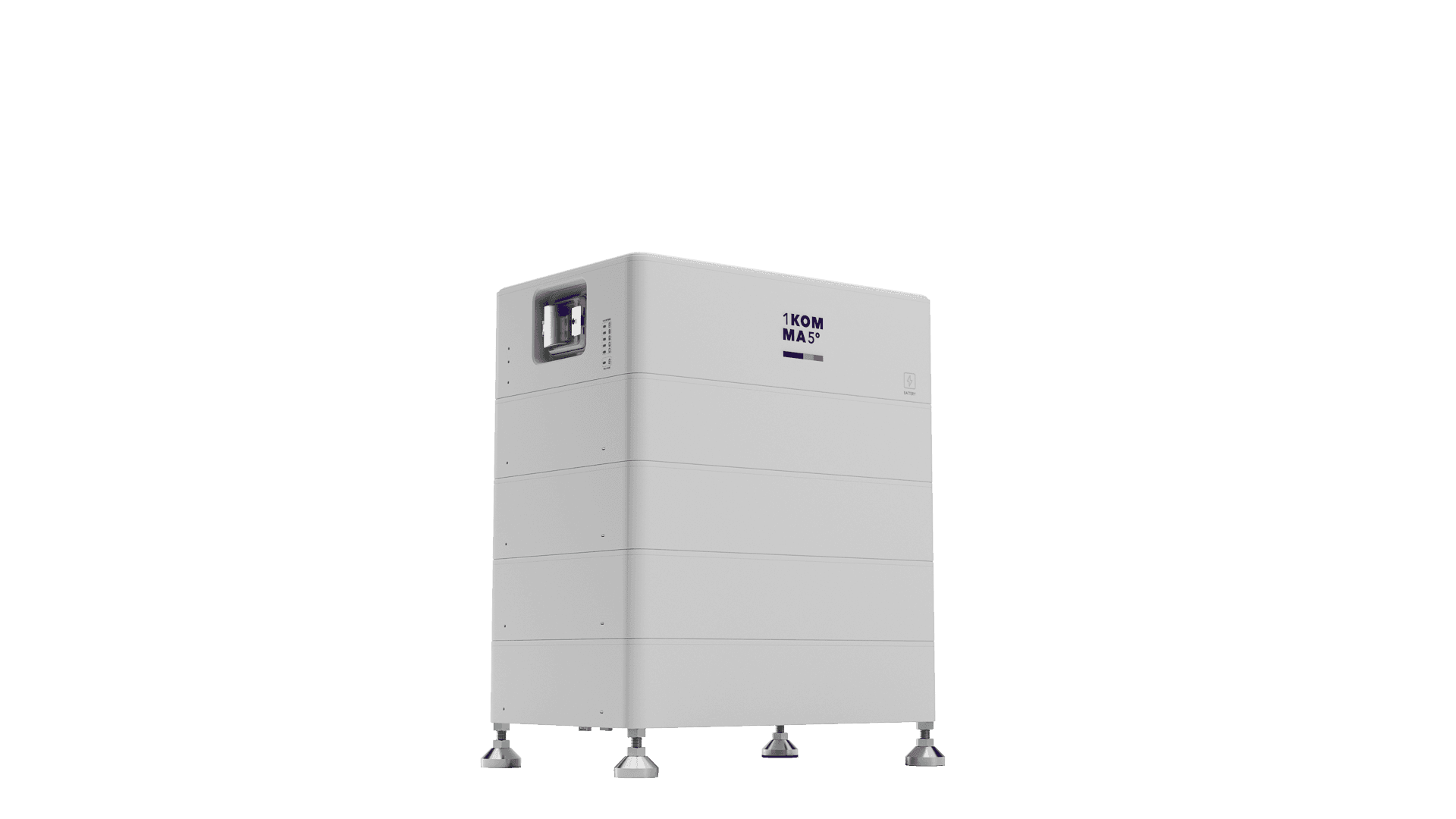
Another reason lithium-ion batteries are so popular is their very high energy density. They can store up to twice as much electricity as sodium-ion batteries of the same size and weight. This compact performance is ideal if you have limited room or want to maximise your system capacity - like our stackable battery systems that can store up to 41.9 kWh of electricity.

When could sodium-ion batteries become available in Australia?
Around the world, there’s an incredible amount of research and development going into making sodium-ion batteries available as soon as possible. And with the promise of lower costs, improved safety, and a smaller environmental impact, these new batteries clearly have a very bright future.

Recent industry reports suggest that sodium-ion batteries could start appearing in EV production in 2026 and in home solar battery systems as soon as 2027. At this stage, it’s hard to say if they’ll dethrone lithium-ion batteries as the new standard, or simply become a useful option in particular systems. For now, quality lithium-ion batteries are still the gold standard, thanks to their excellent reliability, energy density, and overall value for money.

modern two storey house with solar panels on roof

Here at 1KOMMA5° Australia, we’re closely monitoring the development, price, and availability of sodium-ion batteries. In the future, they may join our range of New Energy solutions, which includes modular lithium-ion battery systems and our upcoming Heartbeat AI smart energy management software. To stay up-to-date with the latest battery tech, be sure to follow our blog and social media channels for more information.