The Decline of Solar Feed-In Tariffs: Here’s What Makes Your Investment Profitable Instead
Selling solar power back to the grid used to be a big incentive, but now self-consuming free energy is the name of the game. Learn why solar feed-in tariffs are so low, and how battery storage, behavioural changes, and joining a VPP can maximise your savings.
Key Takeaways:
Solar feed-in tariffs were once highly valuable incentives for solar owners. However, their financial benefit has declined significantly over the past decade as solar system costs have fallen and energy markets have evolved.
Feed-in tariffs have shifted from generous government-backed schemes to wholesale-style payments from energy retailers. Today, customers are typically paid a lower rate for exporting excess solar energy back to the grid.
The key to maximising solar savings in 2026 and beyond is increasing solar self-consumption. Using more of your own free solar energy reduces reliance on grid electricity and helps improve overall savings.
Homeowners can improve solar self-consumption through smarter energy usage and technology upgrades. This can include shifting electricity use to daylight hours, installing a battery system, and joining a Virtual Power Plant (VPP).
How feed-in tariffs work and why they’ve been falling
In Australia, the topic of solar energy invariably brings up feed-in tariffs, and how they’re so much lower than they used to be. While some had previously offered up to a remarkable 60c per kilowatt-hour (kWh), they’re now typically between 3 and 10c per kWh. Some energy plans still offer slightly higher rates, while others have dropped as low as 0 cents following Victoria’s feed-in tariff deregulation in July 2025.
On its face, this drastic reduction may seem to reduce the appeal of installing a solar system. But in reality, the focus has merely shifted to using – rather than selling – the free electricity generated.
The best way to understand why feed in-tariffs have dropped is to revisit why they were first introduced. Around 20 years ago, when home solar systems were considerably more expensive (a 1.5 kW system could cost well over $10,000!), many states introduced feed-in tariffs to give solar pioneers a faster return on their green investment.
These were either ‘gross’ tariffs that paid a flat rate for every kWh generated, or ‘net’ tariffs that only paid for the excess power not used or stored. They were modelled on those introduced by countries like Germany and Japan, which had proven extremely effective.
But as solar system costs have plummeted over the last 15 years, so too have feed-in tariffs. They've evolved from a generous government incentive to a direct transaction between system owners and energy retailers. The good news is that even without high feed-in rates, the payback period on a home solar system is as attractive as ever – and in this article, you’ll find out why.
What has caused solar feed-in tariffs to decline?
The main reason why solar feed-in tariffs have been dropping is because they’ve been so effective. They were designed to ‘jump-start’ Australia’s solar industry, and they’ve done that extremely well. Around 40% of Australian homes now have rooftop solar panels – one of the highest rates in the world – and this figure even tops 50% in states like SA and Queensland.
This has caused feed-in tariffs to drop for several reasons:

Oversupply
With millions of households installing solar panels, many power grids are now flooded with solar energy around the middle of the day. This has led to situations, particularly in places like South Australia, where solar often meets the state's entire power demand. While this is great for the environment, it can also create an oversupply of electricity that can’t be used or stored. In response, feed-in tariffs have been phased out to avoid destabilising the grid, which increases the frequency of blackouts.
Policy shifts
Similar to the recent changes to Australia’s home battery program, the surge in solar energy generation forced government policymakers to reassess their incentives. In the early 2010s, with installations growing and system costs falling, state governments decided to start phasing out solar feed-in tariffs. This mirrored the approach taken by many other countries around the world.
Grid constraints
Every home that installs a solar system becomes both a generator and consumer of electricity, which poses unique challenges for our ageing power grid. Too much solar power being exported all at once can cause bottlenecks in the grid, prompting many states to implement solar export limits. This measure, combined with lower feed-in tariffs, aims to prevent the network from being overloaded to ensure a reliable supply of power.

The risks of relying on feed-in income
As most solar feed-in tariffs are now between 2 and 10c per kWh, they only provide a small return for your exported power. As a result, relying on export income can result in a very long system payback period. This doesn’t mean that installing solar no longer makes financial sense – it simply means selling power back to the grid is no longer the goal.
For every kilowatt-hour of solar electricity you generate, there are two possible outcomes:
If you self-consume the energy, you save the cost of buying that electricity, which is typically 28 - 43c per kWh.
If you sell the energy back to the grid, you get the feed-in tariff rate, which is typically only 2 - 10c per kWh.
As you can see, self-consuming free solar energy is now the name of the game. And one of the most effective ways to do that is by installing a battery system.
Smart alternatives: Self-consumption with a battery and VPPs
If your grid-connected solar system does not have battery storage, you automatically export all solar energy generated above your household’s power consumption. This can mean that, for example, if your house is typically empty during the day, you’ll likely export a large proportion of your solar power for a small financial return.
This is where battery storage changes the game. It allows you to capture the excess solar power you would otherwise export to the grid, for use at nighttime or on cloudy days.
The financial benefits of battery storage
To find out how big of a difference energy storage can make, let’s compare two 8 kW solar systems – one with a battery, and one without. For the sake of this exercise, we’ll assume both systems generate 11,500 kWh per year.
The key difference is how the energy is used. The home without a battery exports most of its solar energy to the grid (75%), while the home with a battery is able to store and self-consume the majority of its solar generation (80%).
While electricity prices vary depending on your state and energy retailer, the Australian Energy Council estimates the national average electricity price at around 39 cents per kilowatt-hour (kWh).
Plus, with the federal Cheaper Home Batteries Program offering around a 30% discount on eligible battery installations (worth approximately $270 per kWh of usable capacity), the upfront cost of getting a battery has become significantly more affordable.
| System type | Without a battery | With a battery |
|---|---|---|
| Self-consumption | 25% @ 39c per kWh = $1,121.25 | 80% @ 39c per kWh = $3,588 |
| Solar feed-in | 75% @ 5c per kWh = $431.25 | 20% @ 5c per kWh = $115 |
| TOTAL ANNUAL SAVINGS | $1,552.50 | $3,703.00 |
As you can see, self-consumption is the key to big savings. In this example, the house that consumes most of its solar energy saves over $2,000 a year more than the house that exports most of its power to the grid. And with electricity prices tipped to continue rising, the benefits of a solar and battery system will only increase as time goes on.
At 1KOMMA5° Australia, our new Heartbeat AI energy manager can help maximise the value of your solar and battery system. It optimises your household's energy flows automatically, ensuring you always use the cheapest and greenest electricity. It can also enable you to participate in a VPP and earn income from supporting the power grid. Contact the 1KOMMA5° team to find out more.
Tips for future-proofing your solar and battery investment
While the days of selling solar energy back into the grid aren’t over, it’s now a bonus rather than the main incentive.
To maximise the value of your solar system, follow these expert tips:

Self-consume as much solar energy as possible
If you don’t have a battery, it’s vital to use as much free solar energy as possible, which means shifting power consumption into daylight hours. The best appliances for this include washing machines, dryers, dishwashers, pool pumps, heat pumps, air conditioners, and EV chargers. To make things easier, you can run appliances on timers or delayed-start functions.
Invest in a battery storage system
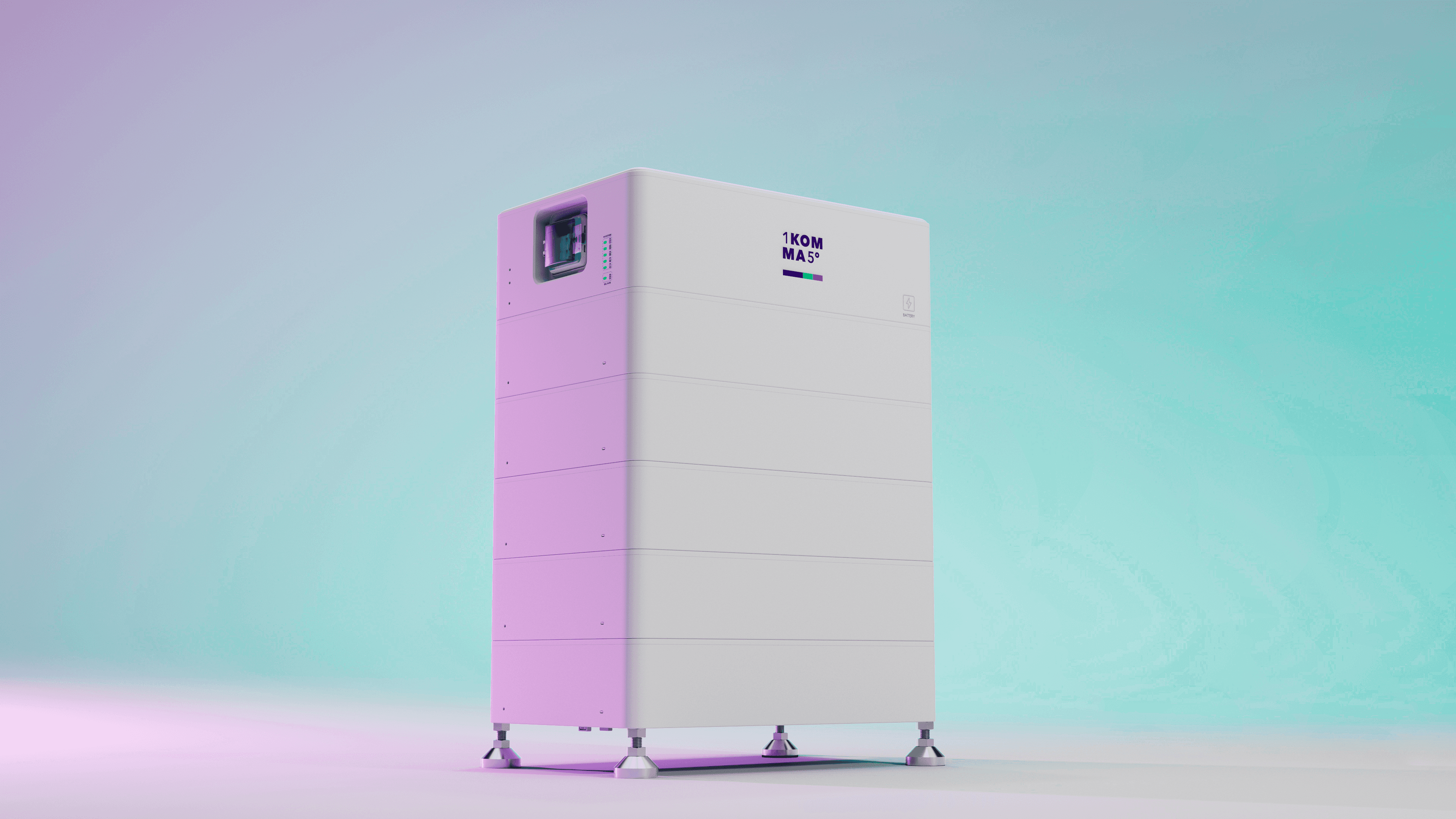
A battery enables you to store excess solar power for use at night or during very cloudy days. As it’s important to size your battery and inverter to your house size and power consumption, you should consult an expert system designer. Even with a battery, the most efficient approach is still to use your solar energy directly during the day and store only the excess for later use. Plus, the federal Cheaper Home Batteries Program currently offers around a 30% discount on eligible battery installations, helping significantly reduce upfront costs.

Join a virtual power plant (VPP)
If you have a solar battery system with a dedicated energy manager, joining a VPP can help you save even more money on your power bills. By participating in the electricity market, you can automatically charge your battery when prices are lowest, and export power when it’s most lucrative to do so.
So, while solar feed-in tariffs were once a distinct incentive, self-consuming free electricity is now the pathway to big savings. And by taking steps such as shifting power use into daylight hours, installing a battery system, and joining a VPP, you can realise a New Energy future, powered by the sun.
If you’re looking for some honest expert advice about installing a solar or battery system, the team at 1KOMMA5° Australia is here to help. Call us on 1300 976 040 or contact a member of our team.
More Helpful Articles:

1KOMMA5° Blog
Need more information?
Head over to the 1KOMMA5° blog for more helpful tips and other important guides on everything solar, from inverters, panels and batteries to how to make the most of your investment for years to come.