What Is the Future of Vehicle-to-Grid (V2G) in Australia?
The stats don’t lie: Australians love electric vehicles. But along with offering cheaper and greener driving, an EV has the potential to become a ‘battery on wheels’ that stores solar energy, feeds it into your home, and sells power back to the grid. Find out all about vehicle-to-grid (V2G) technology and when it could be coming to a retailer near you.
Key Takeaways:
V2G is coming
Vehicle-to-grid isn’t available in Australia today due to regulatory, technical, and vehicle-compatibility barriers. However, major retailers like AGL and Origin have announced pilot programs starting around 2026, signalling that mainstream rollout could follow soon.
EVs will become “batteries on wheels”
V2G will allow EVs to store excess solar, power your home (even during blackouts), and export to the grid. This positions EVs as a core part of a full home energy ecosystem—alongside solar, batteries, heat pumps, and smart energy management.
Significant potential savings + grid benefits
V2G can reduce energy bills through export credits and free/discounted charging. Early trials overseas show savings of around $1,600 per year, while Australian pilots estimate $500–$2,500 annually. At scale, V2G can also strengthen and decarbonise the grid by providing extra battery capacity during peak times.
What is V2G? The key facts in a nutshell
Vehicle-to-grid (V2G) charging transforms your EV into a portable battery that can store excess solar energy, feed it into your home, and export it back to the grid.
The technology enables your EV to help stabilise and decarbonise the power network while earning credits on your power bill.
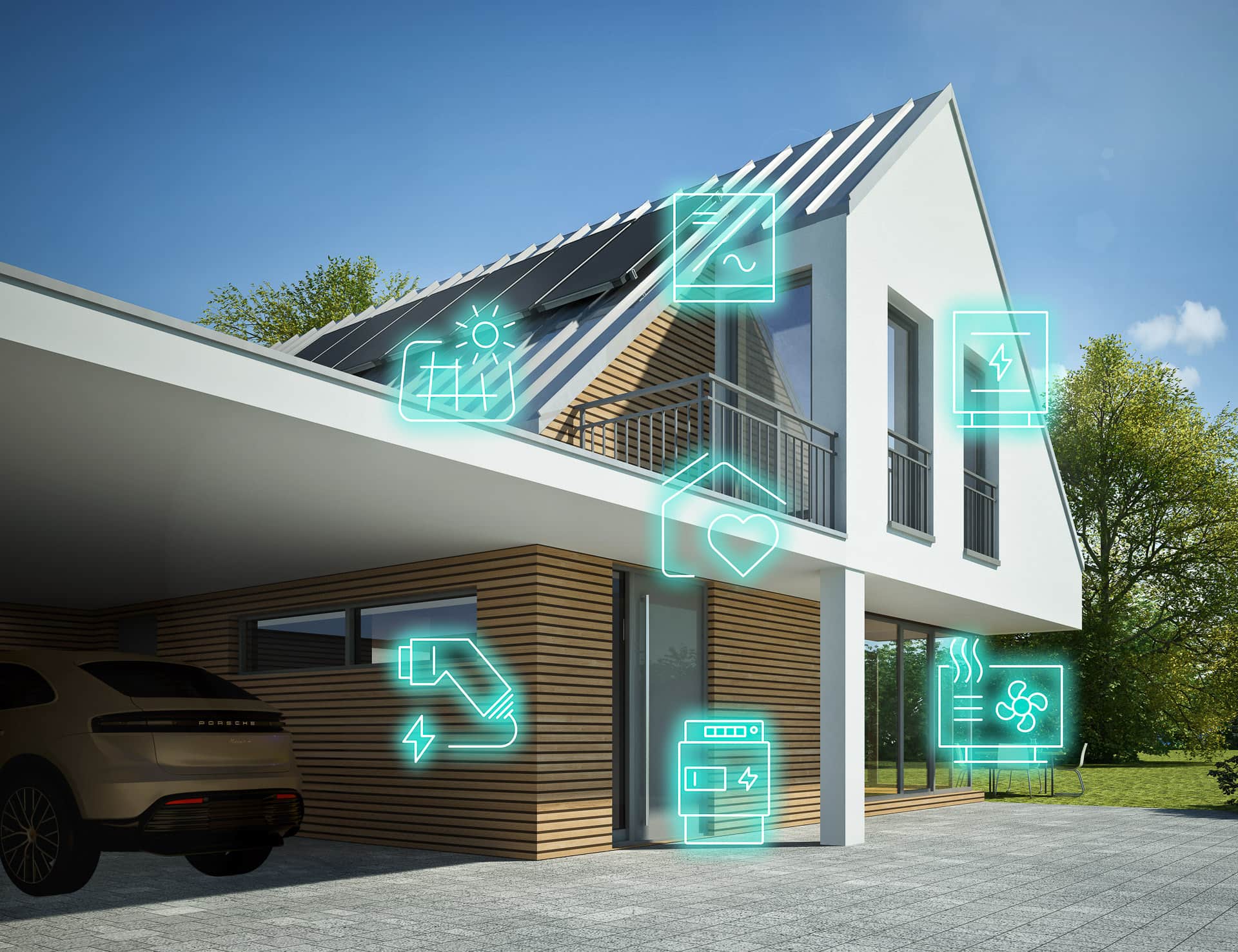
V2G could form part of a complete home energy ecosystem, along with solar panels, batteries, heat pumps, and smart energy management.
While V2G isn’t available in Australia yet, upcoming pilot projects indicate it could begin rolling out as soon as 2026.
EVs and the rise of vehicle-to-grid charging
Australia is a world leader in home solar and battery installations, so it’s no surprise that we’re also embracing electric vehicles. There are now over 300,000 EVs on Australian roads, comprising battery electric and plug-in hybrid models. Around one in every ten cars in Australia is now an EV - a remarkable feat considering that most only hit the road in the last four years.
But what if an EV could also power your home and reduce your energy costs? This is where vehicle-to-grid (V2G) comes in. It is part of ‘vehicle-to-X’ technology, which encompasses the following three areas:
Vehicle-to-grid (V2G)
Your EV communicates with the power grid and can export electricity during peak demand times. This can improve network stability and even help prevent blackouts, all while generating feed-in credits on your power bill.
Vehicle-to-home (V2H)
Your EV can export electricity into your house, much like a home solar battery system does now. Your EV can also power your house during a blackout, ensuring things like your lights, fridges, and internet keep running.
Vehicle-to-load (V2L)
Your EV can export electricity to a specific load or device, such as power tools, outdoor appliances, or even another EV. This turns your EV into a portable power source, perfect for camping and construction sites.
In essence, these names all refer to EVs that can export electricity for another purpose, such as into your home or back to the power grid. EVs with V2G functionality will typically include V2H as standard, while V2L, which is geared more towards off-grid use, may only be available in specific models.
In Australia, V2G has the potential to transform EVs from a greener mode of transport into fully fledged ‘batteries on wheels’. It will give your EV the ability to store excess solar energy during the day, feed it into your home when needed (including during a blackout), and generate credits by exporting power back to the grid.
These abilities could make V2G part of a complete, intelligent home energy ecosystem that includes solar panels, battery storage, a heat pump, and smart energy management. And as a typical EV battery has enough capacity to power an Australian home for several days, V2G has the potential to reshape our energy landscape.
What is the status of V2G in Australia?
While the interest in V2G technology is growing, it’s not yet available in Australia for various reasons. These include vehicle compatibility, updates needed to industry standards and regulations, and the complex approval process for V2G-compatible chargers.
Despite these challenges, the future looks bright. Our two biggest retailers, Origin and AGL, have both announced V2G pilot projects with groups of 50-100 customers. In these trials, participants will receive discounted or free EV charging and the ability to export power from their EV battery into their home or the power grid. In exchange, the retailer can draw from this extra battery capacity to support the grid during peak demand or network instability.
These pilot projects aim to showcase V2G technology, inform changes to standards and regulations, and help network operators design the power grids of the future.
What are the technical requirements?
The first step towards using V2G is having a compatible EV. This is difficult in Australia, as only a handful of these models are currently available from companies such as Hyundai, Kia, Mitsubishi, Nissan, Zeekr, and BYD. Australia’s top-selling EV brand, Tesla, has not yet specified if or when its vehicles will be V2G-ready, although it has expressed interest in the concept. Thankfully, due to growing interest from consumers and grid operators, more car manufacturers are developing V2G-compatible models.
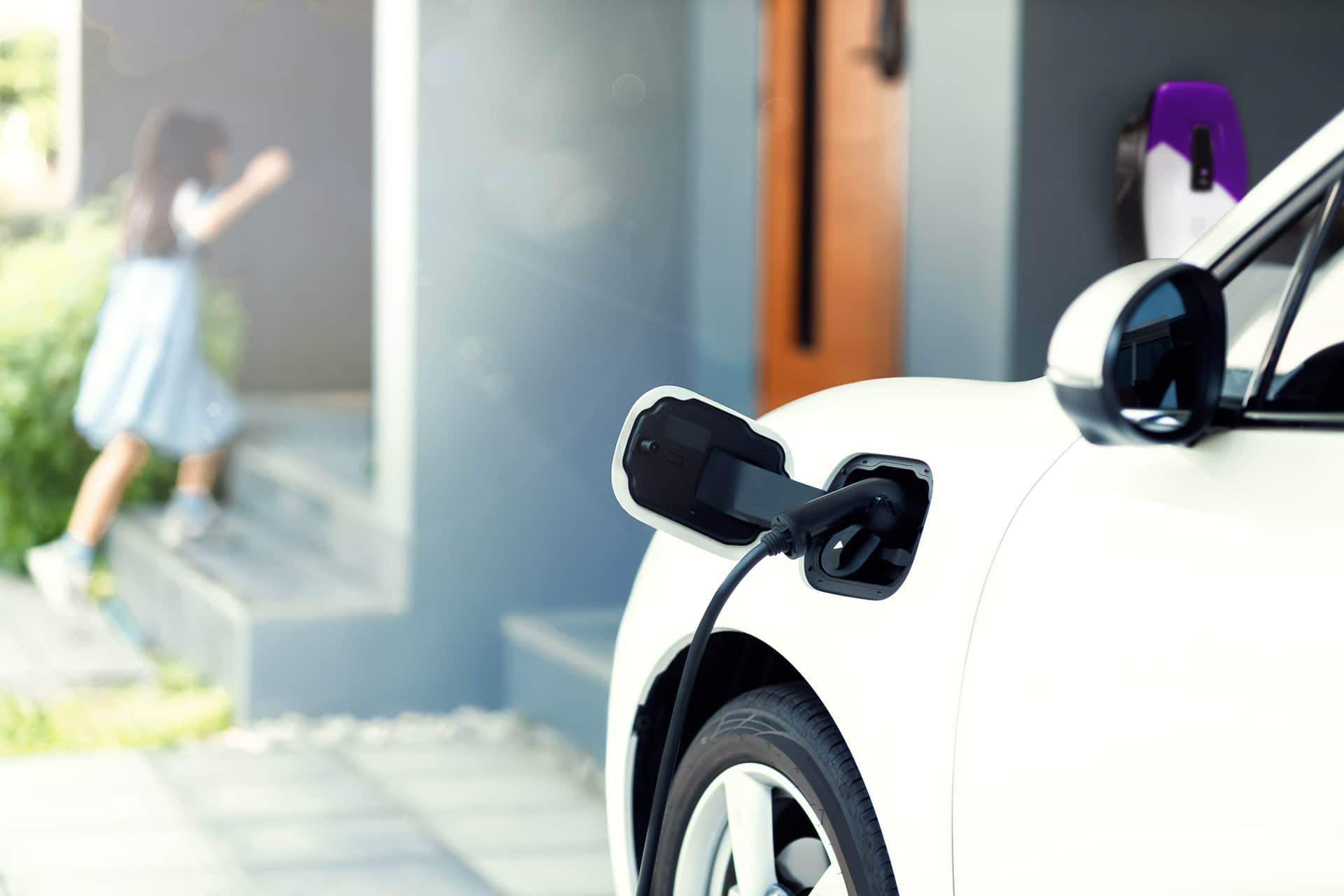
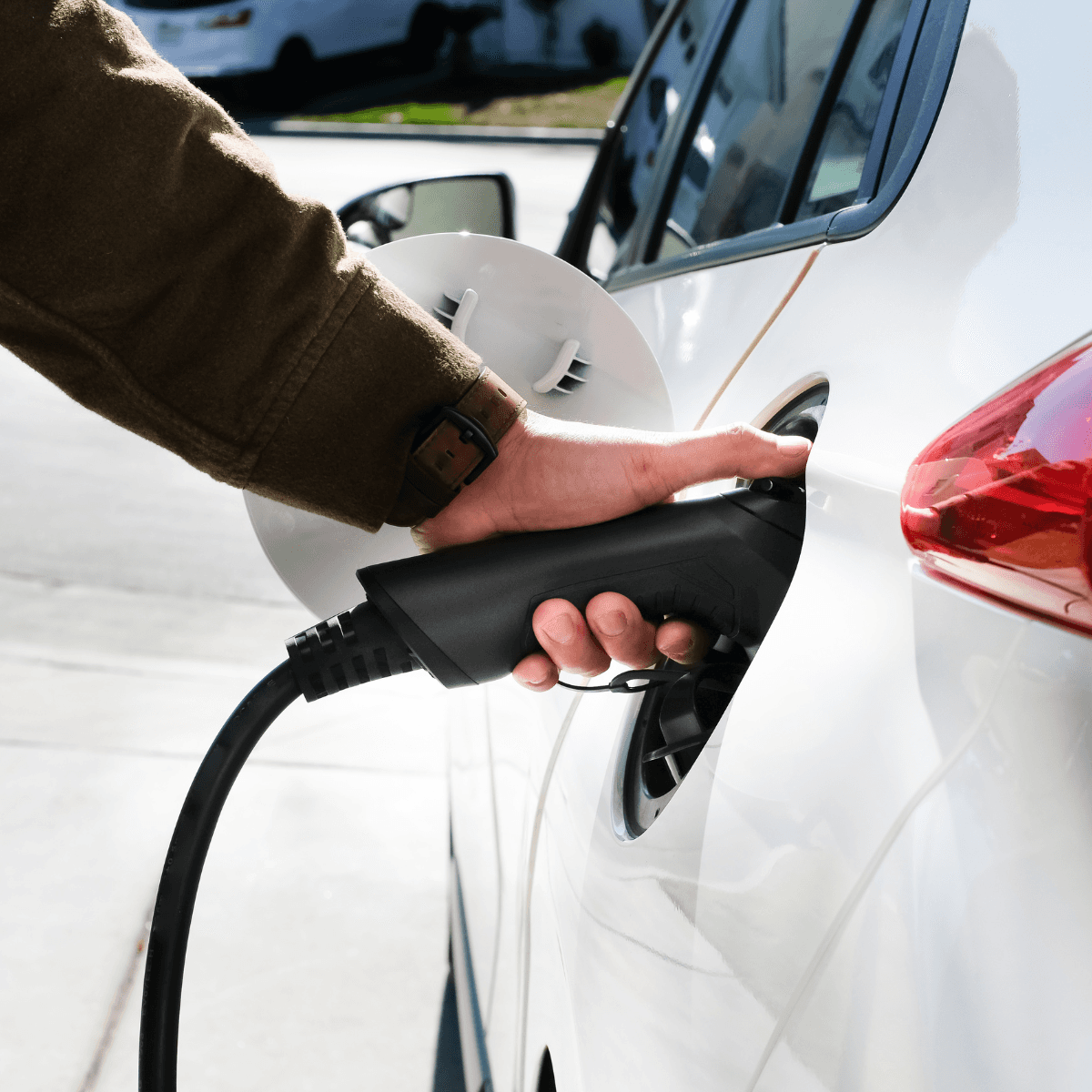
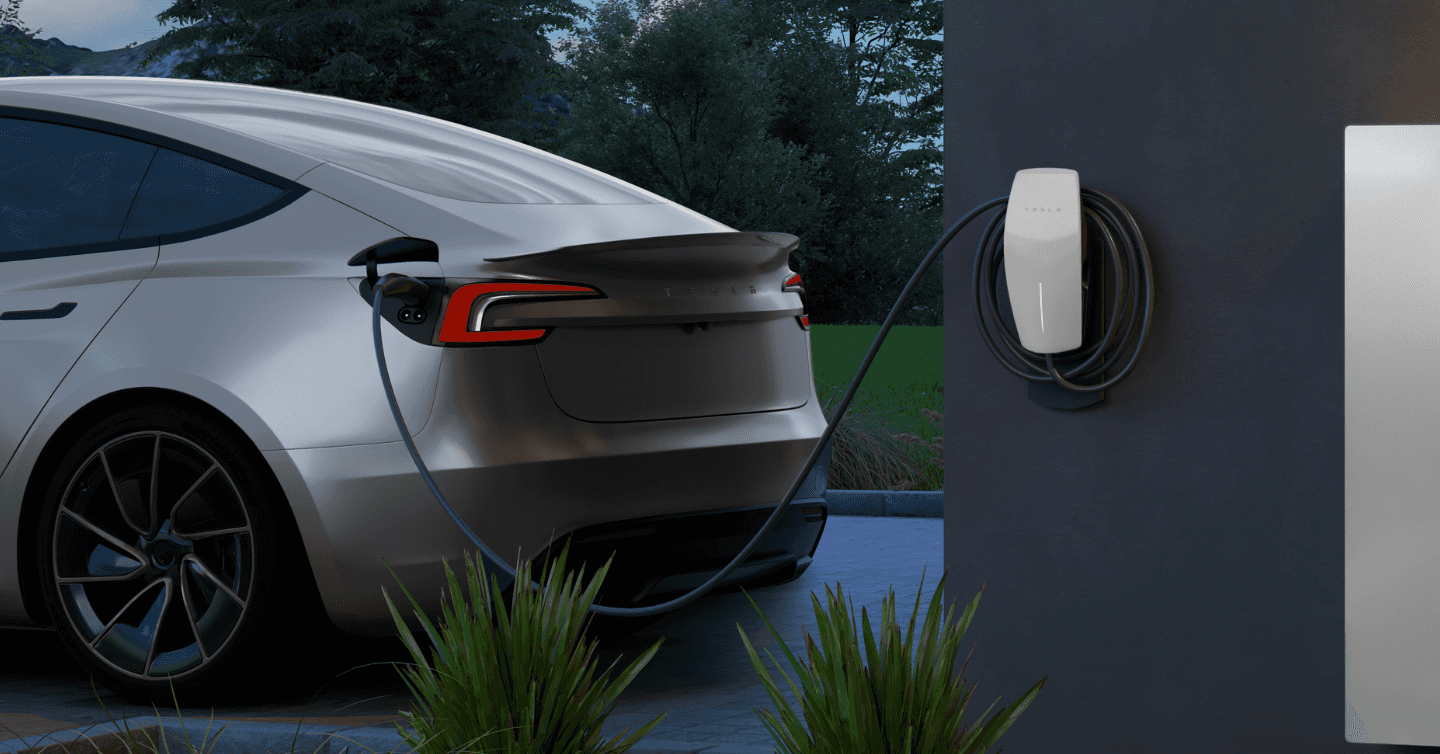
Once you have the right EV, you’ll need a bi-directional charger that can import and export electricity. These monitor your EV and the power grid in real time, using network signals to decide when to charge, discharge, or remain idle. They also feature an inverter that converts the DC power stored in your EV battery into AC power that can be exported into your home or the grid. This works much like a solar inverter, which converts the DC power made by your panels into usable AC power for your home.
A simple concept with many advantages
V2G has the potential to deliver a range of unique energy benefits. Its core features can enable you to:
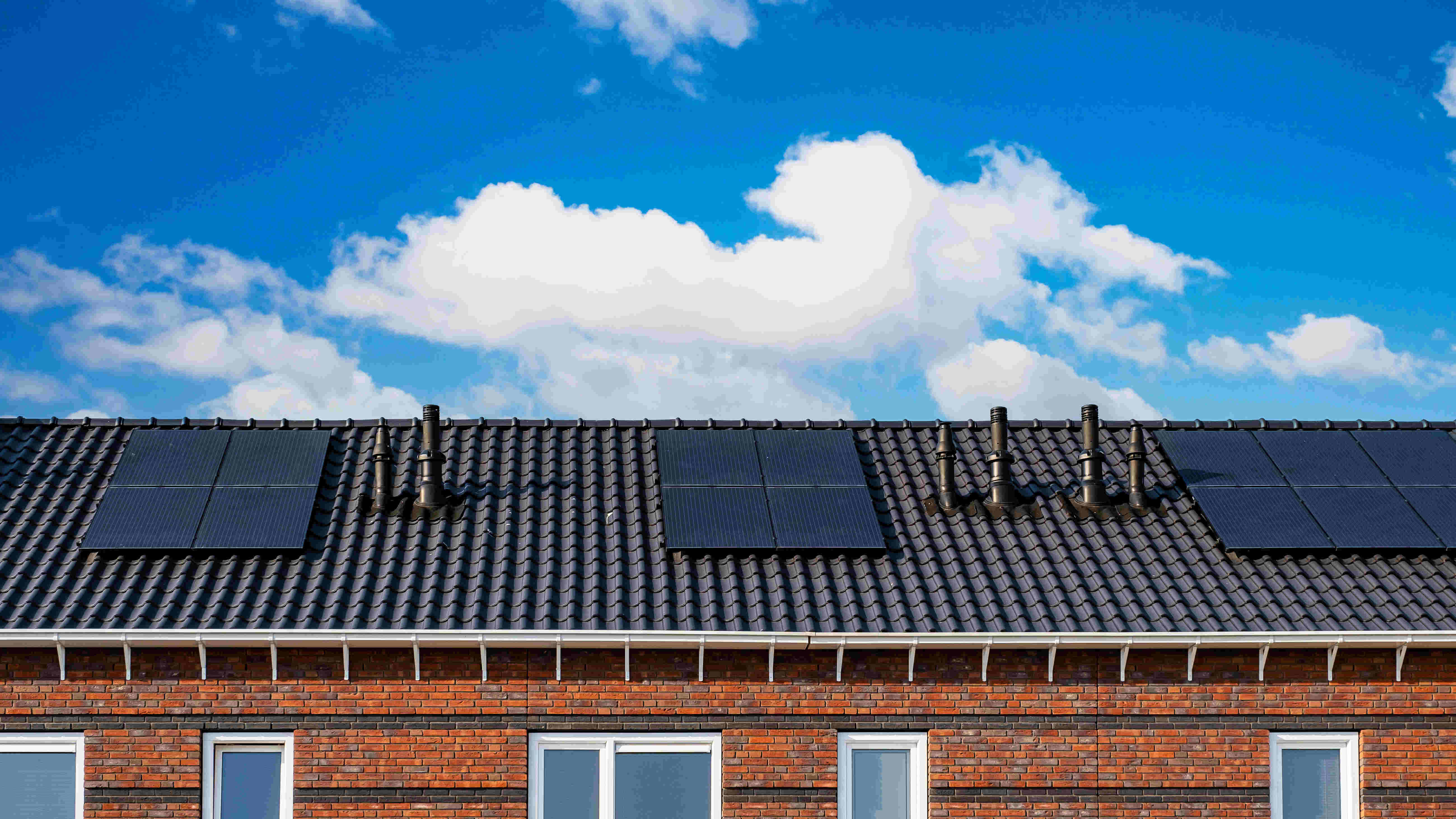
Charge your EV battery with excess solar power

Use this stored energy in your home, including at night or during a blackout
Generate energy credits by selling power back to your retailer
Charge your EV battery with excess solar power
While these are all very appealing, there are some concerns that the extra charging and discharging of your EV battery may reduce its lifespan - or even void its warranty. However, rather than exporting large volumes of power, V2G systems perform frequent ‘micro transactions’ that only discharge tiny amounts of electricity at a time. Initial research has shown that this method has little or no impact on battery health, range, or lifespan, while the income generated from selling power can reduce EV running costs.
Current limitations and regulatory barriers
In Australia, there are still various hurdles that need to be overcome to make V2G a reality. These include manufacturers developing more compatible EVs and adjusting vehicle warranties, regulators creating approval processes for V2G chargers, and retailers adjusting their feed-in tariffs and electricity rates.
For end users, there’s also the matter of cost. For example, if you already have an EV charger at home, you’ll need to replace it with a bi-directional model that can also export power. While this investment may be worthwhile for some EV owners, others may find it cheaper to stick with one-way charging, especially when combined with a solar and battery system.
What could V2G electricity savings look like?
Similar to how the solar feed-in tariff works now, the electricity your EV sells back to the grid will be purchased by your retailer and credited on your power bill.
In V2G trials around the world, such as in the UK, energy retailers are offering free EV charging in exchange for using the vehicle’s battery capacity to support the grid. Octopus Energy - which is partially owned by Australia’s Origin Energy - claims EV owners could save around $1,640 per year on charging costs by exporting power during peak grid demand. These tariffs often come with conditions - such as the average number of hours per day the EV must be connected to the charger - but for many EV owners, they aren’t too restrictive.
Here in Australia, Origin is planning to run a V2G trial in 2026 with 50 customers. For a monthly subscription of around $800 (after tax savings), participants will receive a leased BYD Atto 3, a bi-directional charger, and up to 24,000 km worth of free charging per year. Origin estimates the pilot could save drivers between $500 and $2,500 annually, depending on the amount of power exported and their existing car and driving frequency.
When will V2G be available in Australia?
While it’s not clear when V2G will be available to the masses, it could become a reality within the next few years. For example, AGL, which is running a pilot in partnership with several major automakers, announced it may start rolling out V2G to selected customers in 2026. With Australia projected to have around 300,000 V2G-compatible EVs by 2030, this technology could help make our power grids greener and more affordable for all users.
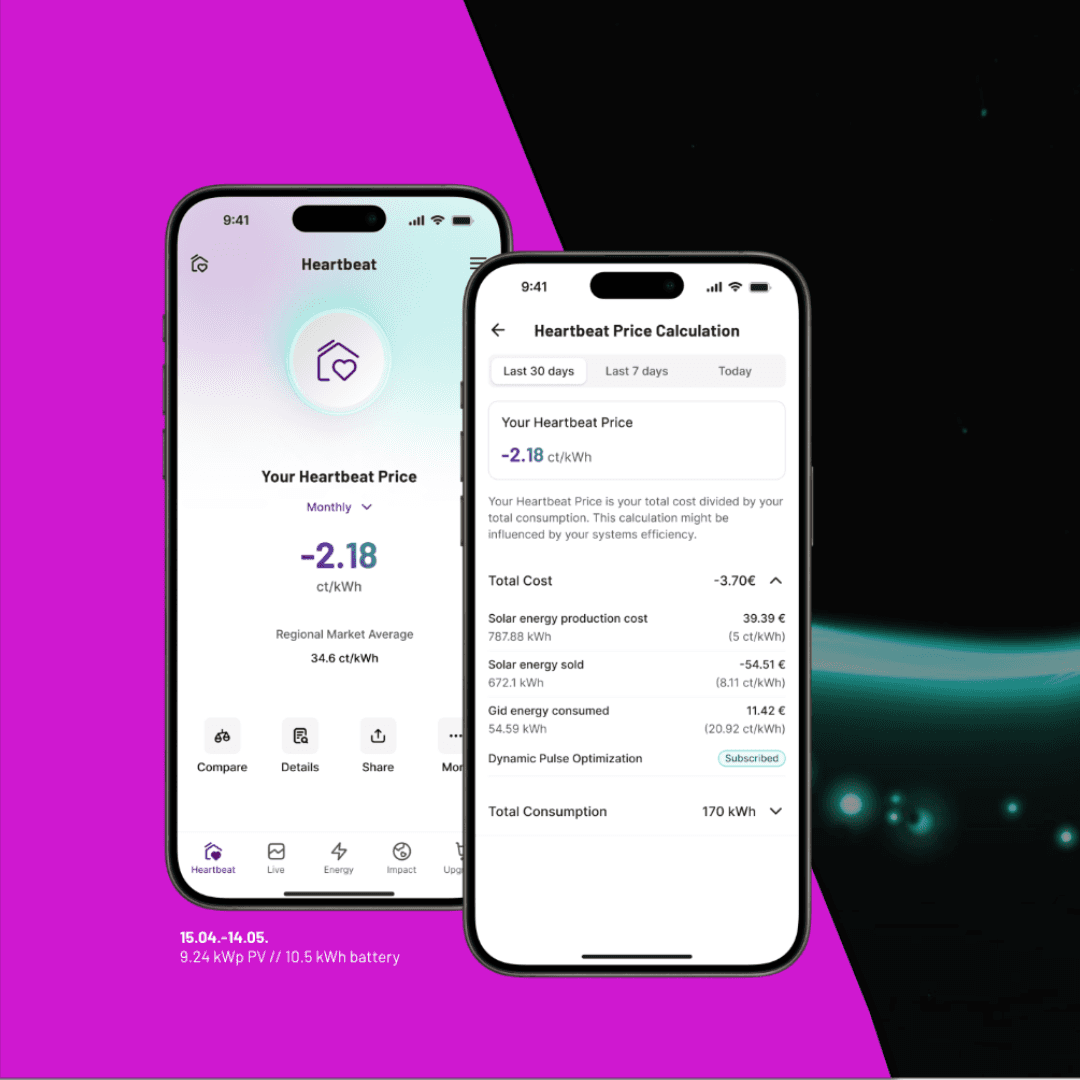
Here at 1KOMMA5°, we’re closely following V2G and its potential to enhance our existing range of New Energy solutions. These include solar panels, batteries, heat pumps, and our upcoming smart energy manager, Heartbeat AI. With access to all the latest technologies - including V2G charging once it’s available - we can help you realise your green energy future.
More Helpful Articles:
Financial Planning for Solar – What Else to Consider

1KOMMA5° Blog
Need more information?
Head over to the 1KOMMA5° blog for more helpful tips and other important guides on everything solar, from inverters, panels and batteries to how to make the most of your investment for years to come.