Matching Solar Batteries and Inverters: How to Design a Balanced Energy System
Finding the right solar battery and inverter combination is vital to building an optimised, highly efficient system. Discover the best approach to battery and inverter sizing and how to calculate the ideal setup for your own home.
Key Takeaways:
The output rating of your hybrid inverter should be carefully matched with the capacity of your battery system. Getting this balance right ensures your battery can fully charge and discharge, avoiding wasted capacity and poor returns on your investment.
An undersized inverter won't be able to charge or discharge your battery properly, while an oversized model can be inefficient and expensive. Matching inverter size to your actual energy needs is the most cost-effective approach for most households.
The right solar inverter/battery combo maximises efficiency and ensures your clean energy is available when you need it. A well-matched system reduces grid dependence and delivers better value from your solar setup.
Your household's power consumption, roof type, and living habits all play a role in calculating the ideal system size. There's no one-size-fits-all answer. The best setup balances your current needs with room for future expansion.
Understanding inverter capacity vs battery capacity
When you're researching the best way to combine a solar inverter with a home battery system, the word ‘capacity’ will come up fairly often. While this term can help you understand the size and performance of an inverter or battery, it’s used in two different ways:
Inverter capacity refers to its electrical output, measured in kilowatts (kW). This is the maximum amount of AC electricity the inverter can deliver to your home or feed into the grid. For example, a 5 kW inverter can deliver up to 5,000 watts of AC electricity.
Battery capacity refers to the total amount of energy it can store, measured in kilowatt hours (kWh). A battery's depth of discharge (DoD) and a few other factors determine how much of its total capacity is ultimately usable.
A battery's DoD determines how much of its total stored energy you can actually use. Most modern home batteries have a DoD of between 80% and 95%, so a 15 kWh battery at 90% DoD gives you around 13.5 kWh of usable capacity. This distinction matters when sizing your system: always work from the usable capacity figure, not the headline storage number.
What limits a battery’s charging and discharging power?
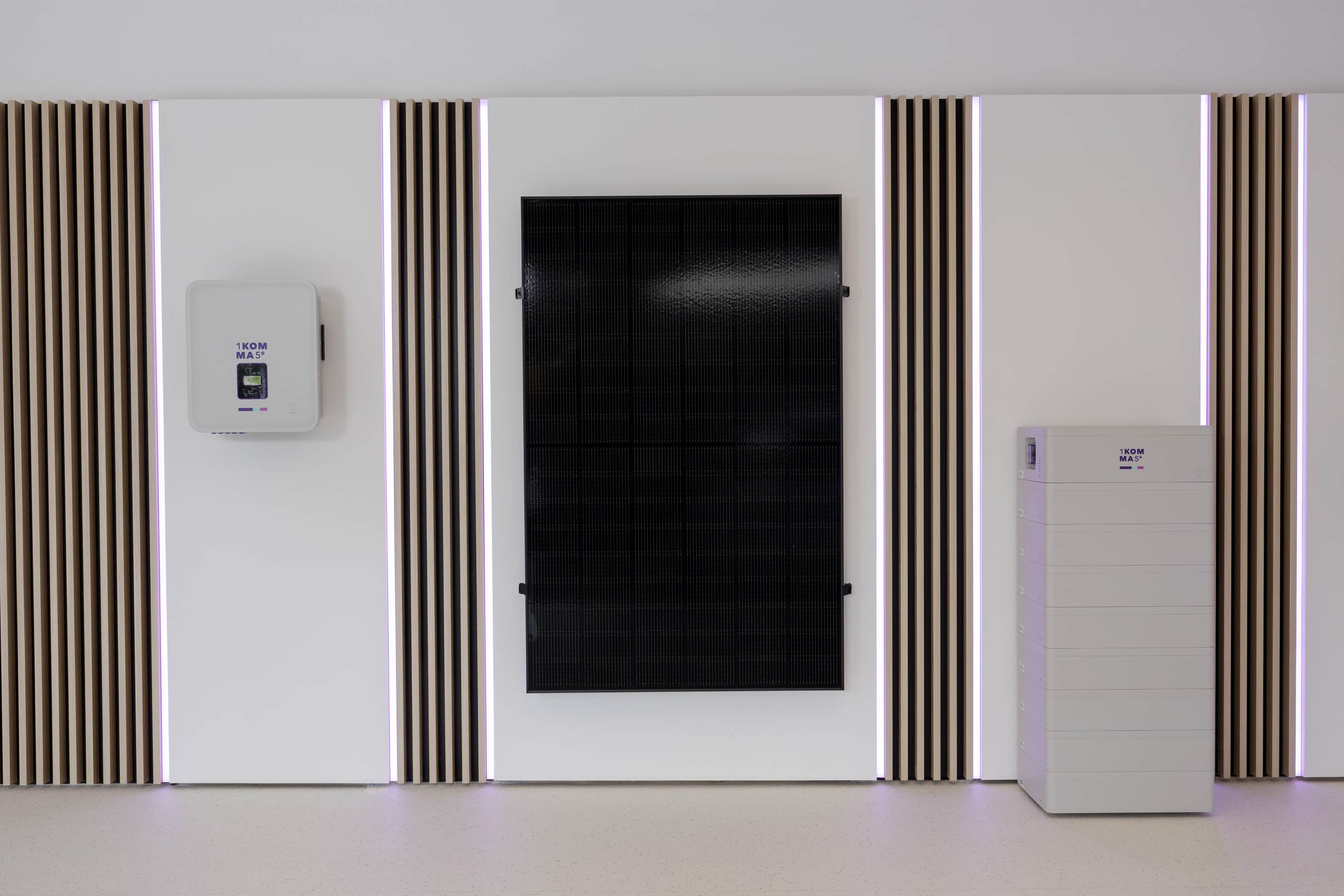
The battery’s maximum charging and discharging power is determined by both the inverter capacity and the battery’s own power rating. The inverter, a wall-mounted box, forms the key electrical gateway between your solar/battery system and household power supply.
For simplicity, you can think of a battery like a water tank and the inverter like the pipe connected to it:
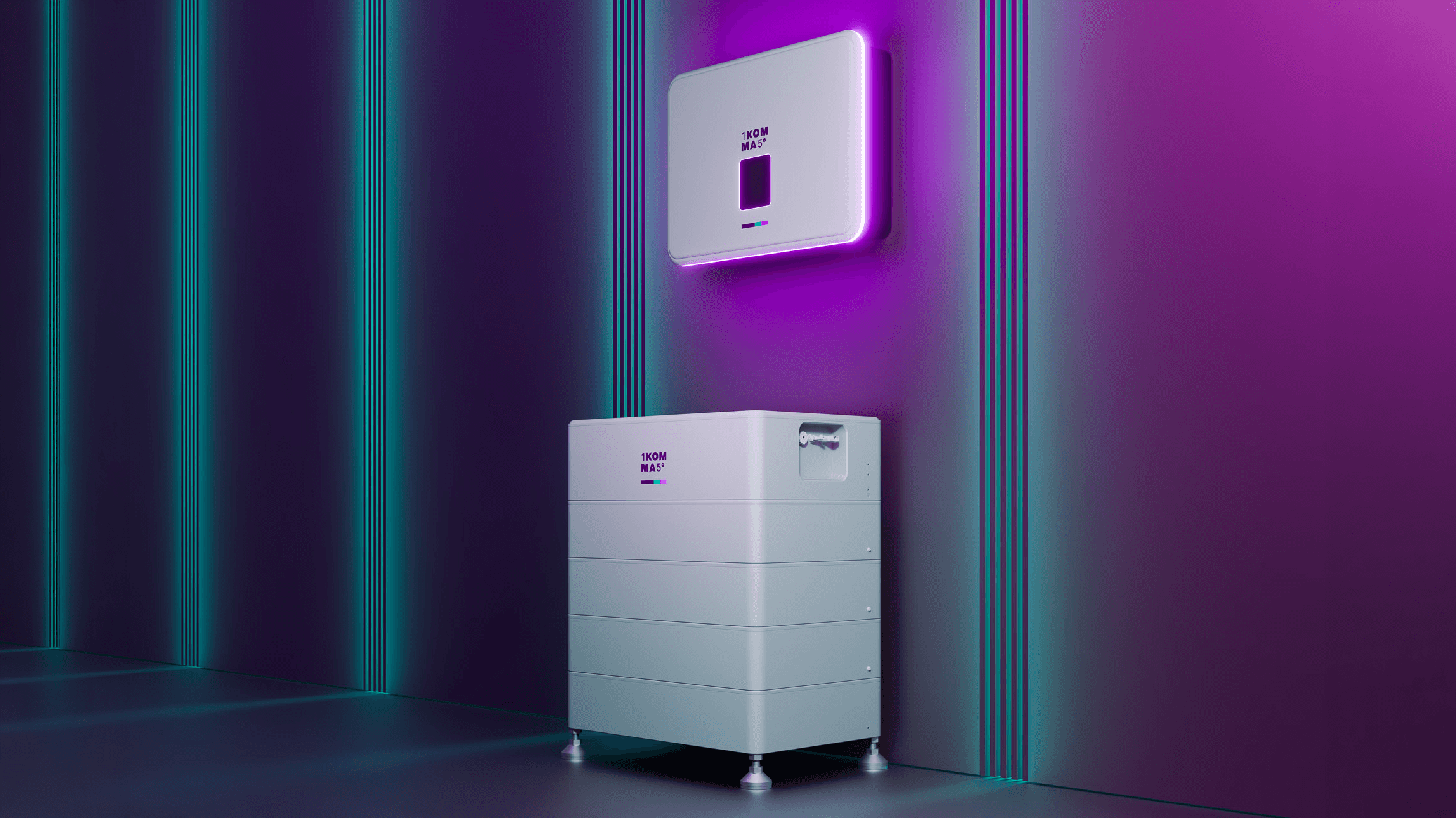
The battery capacity is how much water the tank can hold.
The inverter capacity is the size of the pipe, which determines how much water can go in or out.
The charge/discharge rate (C-rate) is how much pressure is behind that flow — it determines how quickly the battery can be filled or emptied without being stressed.
If your hybrid inverter is too small, you won't be able to fully charge your battery during the day or draw enough power out of it. This can make a lot of your battery’s capacity unusable and deliver a very poor return on your clean energy investment.
That’s why it’s vital to match the output capacity of your hybrid inverter with the storage capacity of your battery system. This ensures your solar system can fully charge the battery in sunny weather, and the battery can supply enough power to cover your energy needs.
The relationship between inverter size and household load
As the inverter determines the maximum amount of power available from your solar panels and battery system, it's also essential to size it to your household load. If the inverter is undersized, you will have to buy extra electricity from the grid to meet your power demands. Conversely, if the inverter is too large, it will be less efficient, not to mention more expensive.
In general, Australian networks allow single-phase homes to install inverters up to around 10 kW, with export to the grid typically limited to 5 kW though this varies by distributor and state. Three-phase homes can generally install up to 30 kW. Most hybrid inverters installed in Australia have a capacity of between 5 kW and 12 kW.
As feed-in tariffs are now very low - typically between 3 and 10 cents/kWh on standard plans, though rates vary by state and retailer - most solar and battery systems are geared towards maximising self-consumption rather than exporting to the grid.
At 1KOMMA5°, our single-phase and 3-phase hybrid inverters range from 5 kW to 15 kW in capacity and have up to four MPPTs (maximum power point trackers). They’re precision engineered for Australia’s harsh conditions, backed by a 10-year warranty, and ready to integrate with our smart energy management system, Heartbeat AI.
Oversizing risks and efficiency losses
Solar battery inverters work most efficiently when they run as close to their peak capacity as often as possible. If your inverter is too large, it will be less effective during periods of lower solar production, such as mornings, evenings, and cloudy days.
There are some cases where oversizing your inverter can be a good option. For example, you may want to significantly expand your solar system in the future. With an upsized inverter, you can install more solar panels later and then connect them to the same unit. However, in most cases, it’s cheaper and most efficient to match the solar inverter with the battery capacity.
When to consider a multi-inverter or modular setup
It’s possible to design a solar and battery system with more than one inverter, or add a second inverter to an existing system. These systems can contain multiple wall-mounted inverters, or individual ‘microinverters’ installed under each solar panel.
These setups can be the best option if:
You have a complex roof structure with various pitches and orientations.
Your roof has a lot of shade or other obstructions.
You would like to significantly expand your solar system in the future.
So, while a single inverter is ideal for a simple, sunny roof, a multi-inverter setup may deliver the best results if you have a complex roof structure or want to expand your system in a modular way. During your initial quote process, an expert solar designer can suggest the most practical system layout and inverter options for your home.
Other factors that affect your inverter and battery choice
Inverter and battery sizing doesn't happen in isolation. Here are four related topics worth understanding before you finalise your system design.
Battery chemistry
The chemistry inside your battery affects how much usable capacity it delivers, how many charge cycles it can handle, and how safely it can discharge at high rates — all of which interact with your inverter choice.
Read our guide to sodium-ion vs lithium-ion batteries
AC-coupled vs DC-coupled systems If you're adding a battery to an existing solar system rather than starting from scratch, the coupling architecture changes which inverter options are available to you and how efficiently the system operates.
Learn the difference between AC and DC coupling
Backup and blackout protection Your inverter size directly affects your backup capability. A larger inverter can power more circuits during an outage, but not all inverters support backup mode — and those that do have specific wiring and configuration requirements.
See how solar battery backup works
Solar panel array sizing Your inverter needs to be matched not just to your battery, but to your solar panel array. An undersized inverter will clip excess generation on sunny days; an oversized one will underperform when generation is low.
Practical examples of pairing solar batteries with inverters
As a very general guide, some system designs may fall within a battery-to-inverter ratio of around 2:1 to 4:1. However, this is not a strict rule, and the ideal sizing depends on your household’s energy usage, solar generation, and the battery’s power capabilities.
| House size | Medium (2-3 people) | Large (3-4 people) | Very large (4-6 people) |
|---|---|---|---|
| Daily usage | 22 kWh (single-phase) | 30 kWh (single-phase) | 40 kWh (3-phase) |
| Goal of storage system | Cover daytime use + 20% buffer | Cover daytime use + full-home backup | Maximise coverage + full-home backup + VPP |
| Usable battery capacity | 15 kWh | 22 kWh | 35 kWh |
| Recommended inverter capacity | 5 kW | 5kW - 8 kW | 10 kW – 12 kW (3-phase) |
While these are useful examples, optimising a solar battery and inverter combination requires finding the right balance between your energy needs, roof type, and budget.
If you’re investigating how to connect a battery to a solar inverter, 1KOMMA5° Australia can help. Our honest and personal advise can help you realise your clean energy future. If you'd like more information, call us on 1300 976 040 or request a free online quote.
More Helpful Articles:

1KOMMA5° Blog
Need more information?
Head over to the 1KOMMA5° blog for more helpful tips and other important guides on everything solar, from inverters, panels and batteries to how to make the most of your investment for years to come.